Barnyard Banter, by Denise Fleming

This is a fun book to introduce children to the animals that live on a farm and the special voice each has. Older children enjoy the sing-song rhythm of the book and use it as an easy first read. Denise Fleming’s web site has directions on how to make all the animals from the story out of paper plates which are very cute. http://www.denisefleming.com/pages/book-activities/barnyard-banter/activities.html#gsc.tab=0

Materials;

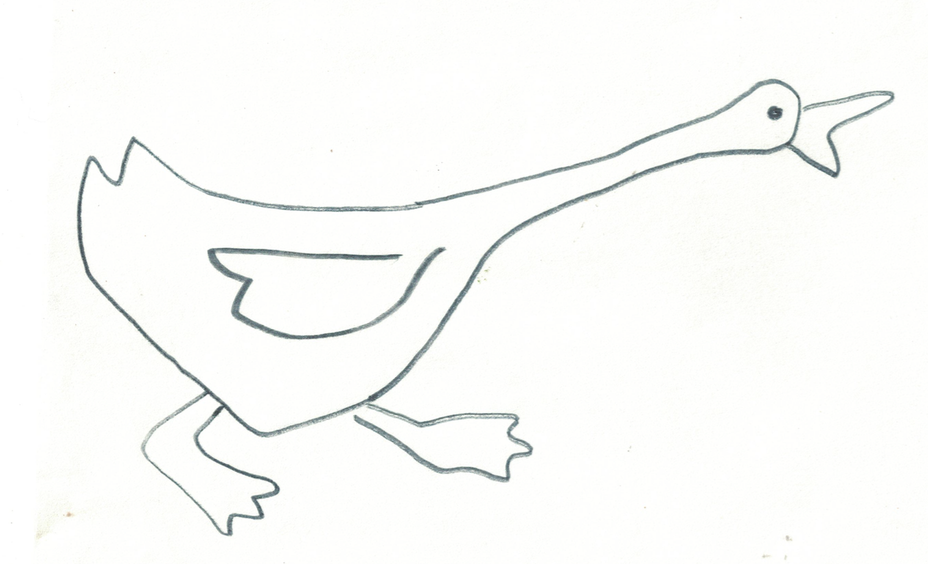
  • Goose for Where’s Goose game
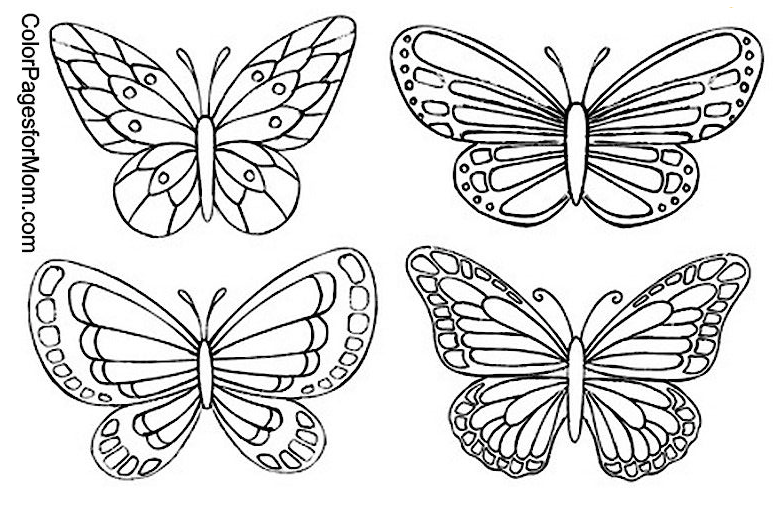
  • Butterfly kite and directions http://thriftyscissors.blogspot.com/2014/06/craft-your-very-own-butterfly-kite.html
  • Pictures of animals in story
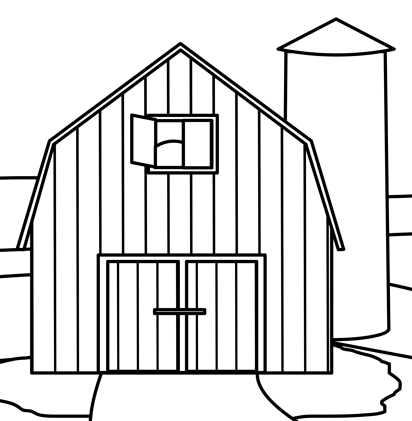
  • Barn- cut the door so that you can put an animal behind and then open and close the door
  • 1 roll of toilet paper, 1 bar of ivory soap, 1 cheese grater
  • Animals without legs (make a second copy of the animals in the story and cut off the legs
  • Clipping clothes pins

Vocabulary

  • Banter (playful talk between two people or animals)
  • Wallow (mud pool that pigs like)

Before Reading the Story

Put the different animals behind the barn door. Give the children clues to which animal is hiding behind the door. Open the door and encourage the children to make the animal sound. (This animal is very small and has a long tail. I eats the grain and corn that fall onto the floor in the barn/mouse).

Approaches to Learning/Reasoning & Problem Solving; develops increasing abilities to classify, compare, and contrast objects, events, and experiences.

Reading the Story

Find a simple tune to sing-song through the book. I use Skip to My Lou. You can help the children count the animals on each page as you read.

Mathematics/Number & Operations; develops increasing ability to count in sequence to 10 and beyond.

After Reading the Story

Ask the children if anyone noticed what the goose was chasing on the pages of the story. Did it ever catch the butterfly? Why do you think the goose was chasing the butterfly?

Literacy/Book Knowledge & Appreciation; shows growing interest and involvement in listening to and discussing a variety of fiction, non-fiction, and poetry.

Play Where’s Goose? Play this like Doggie, Doggie, Where’s Your Bone but have the children take turns hiding the goose instead.

Social & Emotional Development/Cooperation; develops increasing abilities to give and take in interactions; to take turns in games and in using materials; and to interact without being overly submissive or directive.

Discovery

Bring in pictures of animals from the story for the children to look at.   If you have a peacock feather bring it in so the children can see the iridescent colors. Talk about how the animals are similar and different.

Approaches to Learning/Reasoning & Problem Solving; develops increasing abilities to classify, compare, and contrast objects, events, and experiences. AND Science/Scientific Skills & Methods; develops increasing ability to observe and discuss common properties, differences, and comparisons among objects and materials.

Music and Movement

Sing Old McDonald Had a Farm.

Sing I had a Rooster putting up flannels of the animals as you go. https://www.youtube.com/watch?v=FanKYDrYza4
I had a little rooster by the barnyard gate,
That little rooster was my playmate.
That little rooster went cock-a-doodle-doo,
Dee, doodle, dee, doodle, dee, doodle, dee, doo.

Cow-moo, dee, moo, dee, moo dee, moo /Chicken-clucka, dee, clucka dee, clucka, dee cluck/Pig-muckadee, Etc using animals from the story.

Creative Arts/Music; participates with increasing interest and enjoyment in a variety of music activities, including listening, singing, finger plays, games, and performances.

Ask the children if they can show you how to move like a waddling duck, a galloping horse, a pig wallowing in the mud, a goose strutting, or a butterfly fluttering.

Physical Health & Development/Gross Motor Skills; shows increasing levels of proficiency, control, and balance walking, climbing, running, jumping, hopping, skipping, marching, and galloping.

Blocks

Put out farm animals and encourage the children to build a big barn. Encourage them to build pastures with fences for each like kind of animal. Are they able to sort the animals by like kind?

Mathematics/Patterns & Measurement; shows increasing abilities to match, sort, put in a series, and regroup objects according to one or two attributes such as shape or size.

Art

Have the children decorate the wings of the butterfly in any way they choose.

Creative Arts/Art; gains ability in using different art media and materials in a variety of ways for creative expression and representation.

Ask the children to help draw some of the farm animals and hang on the wall near a barn.

Creative Arts/Art; progresses in abilities to create drawings, paintings, models, and other art creations that are more detailed, creative, and realistic.

Library and Writing

Put out the animal pictures and encourage the children to copy the animal names with magnets or pencils.

Literacy/Early Writing; progresses from scribbles, shapes, or pictures to represent ideas, to using letter-like symbols, to copying or writing familiar words such as their own name.

Sand and Water

In the story the pigs were enjoying the mud. Add dirt and water to the table or try making clean mud with the children. (Children rip the toilet paper off into squares, and grate the bar of soap. Add water a little bit at a time until you have a nice consistency for squishing and making balls with)

Science/Scientific Knowledge; shows increased awareness and beginning understanding of changes in materials and cause-effect relationships.

Math and Manipulatives

Cut out the animals without legs and cover with contact paper. The children use clip clothespins to add the correct number of legs to each animal.

Mathematics/Number & Operations; demonstrates increasing interest and awareness of numbers and counting as a means for solving problems and determining quantity.

Outdoor Play

Take the children’s butterfly wings, straws, and tape outside to make simple butterfly kites with the children. Let them pretend that they are running away from the goose. Can they recall some of the animals in the story? The children can pretend to be these animals also as the butterfly runs by.

Literacy/Book Knowledge & Appreciation; demonstrates progress in ability to retell and dictate stories from books and experiences; to act out stories in dramatic play; and to predict what will happen next in a story.

Transitions

Put all the animal pictures in a basket and have the children take turns picking one. They must then make that animals voice as they move onto the next activity.

Language Development/Speaking & Understanding; develops increasing abilities to understand and use language to communicate information, experiences, ideas, feelings, opinions, needs, questions; and for other varied purposes.

Resources
enlarge for art and butterfly kite
cow
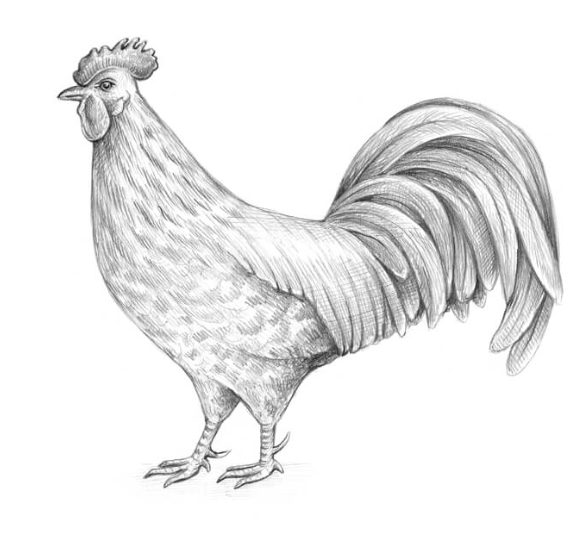
rooster
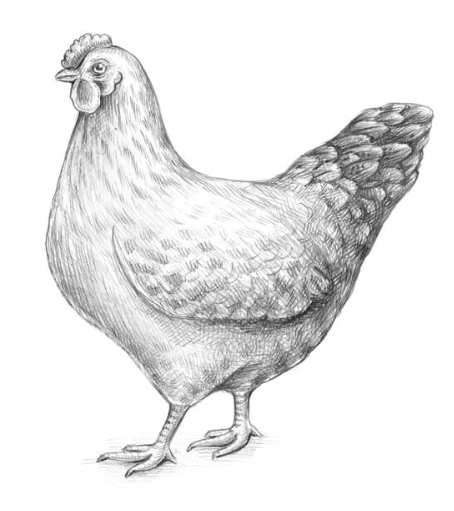
chicken
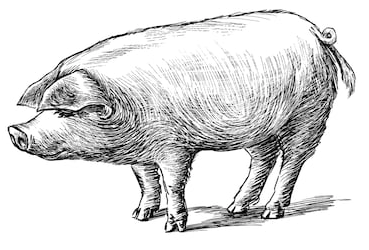
pig
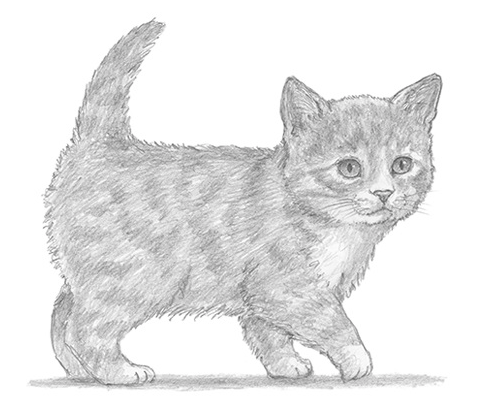
kitten
pigeon
mouse
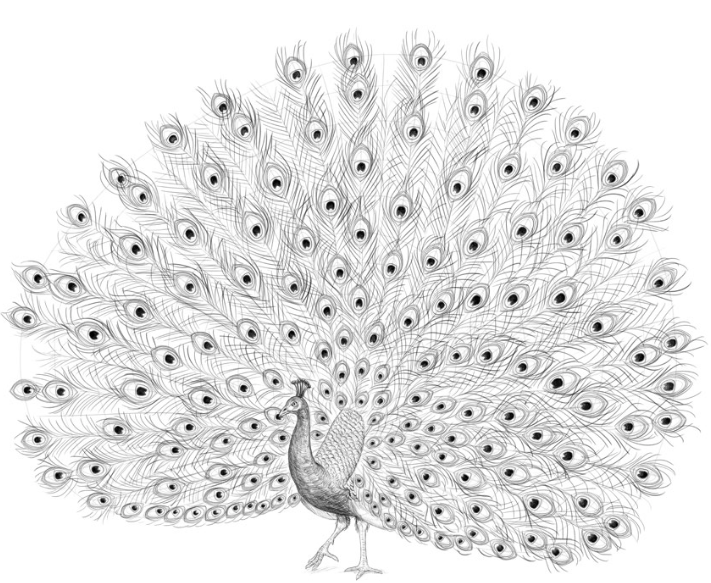
peacock
donkey
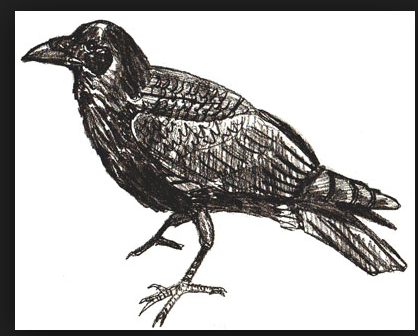
crow
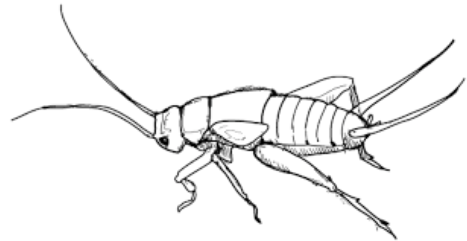
cricket
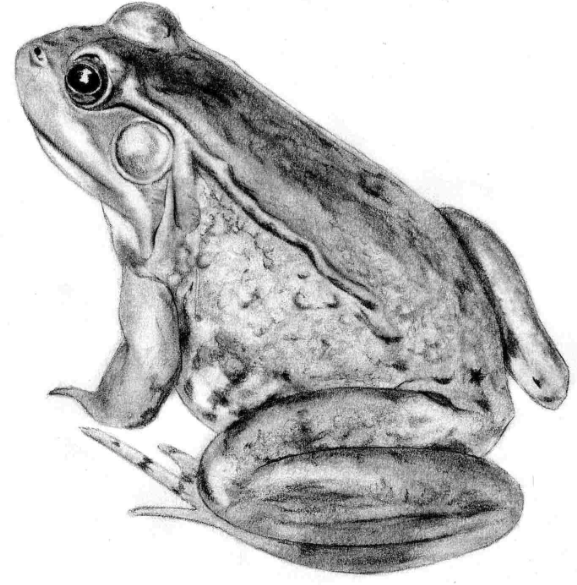
frog
goose
butterfly

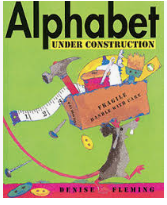
Alphabet Under Construction, by Denise Fleming

This colorful book shows Mouse building the letters of the Alphabet. With plenty of new words, there is lots of room for conversation as you read. It comes with an alphabet poster to boot!

Materials

  • Many small boxes, toilet tubes, pipe cleaners, and other building junk
  • Several rolls of masking tape
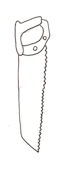
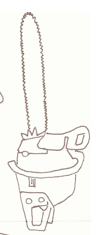
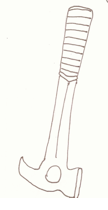
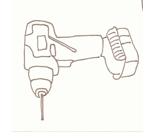
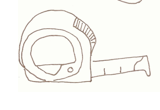
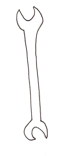
  • Tool pictures
  • An old small appliance (toaster, wall clock, radio, hair dryer) Plug cut off!
  • 10 paper plates

Vocabulary

Many unusual words look through the book ahead and make sure you can define words that you think your children might not know.

Before Reading the Story

Bring pretend or real tools to the rug. Ask the children to help you name the tools and what they are used for.

Social & Emotional Development/Knowledge of families & Community; develops growing awareness of jobs and what is required to perform them.

Reading the Story

As you read, draw your finger over the letter that Mouse is constructing. Take time to talk about each picture with the children as there are lots of unusual words. With the help of the children define what it is that Mouse is doing on each page.

Literacy/Alphabet Knowledge; shows progress in associating the names of letters with their shape and sound.  AND Language Development/Listening & Understanding; understands an increasingly complex and varied vocabulary.

After Reading the Story

Bring out your tools again and review what each is called and what it is used for.

Language Development/Speaking & Communicating; uses an increasingly complex and varied spoken language.

Discovery

Bring in an old small appliance that you have removed the plug from.  Let the children disassemble it using small screwdrivers, pliers, and wrenches. (Make sure you pay attention to the children’s play as there may be small parts).

Science/Scientific Skills & Methods; begins to use senses and a variety of tools and simple measuring devices to gather information, investigate materials, and observe processes and relationships.  AND Physical Health & development/Fine Motor Skills; grows in hand-eye coordination in building with blocks, putting together pules, reproducing patterns and shapes, stringing beads, and using scissors.

Music and Movement

Sing the Alphabet Song with the children.  Ideally have an alphabet chart with you that you can point to as you sing the name of each letter.

Literacy/Alphabet Knowledge; knows the letters of the alphabet are a special category of visual graphics that can be named individually.

On each of the 10 paper plates write a letter of the alphabet.  Scatter them about and have the children stand in a circle around the letters.  Let them take turns jumping from 1-5 letters as you call the letter name out.  Or call out the letter sound and have the child jump.

Literacy/Alphabet Knowledge; shows progress in associating the names of letters with their shapes and sounds.

Blocks

Add tools to the center along with a couple construction hats.

Social & Emotional Development/Knowledge of families & Community; develops growing awareness of jobs and what is required to perform them.

Art

Let the children experiment with 3 dimensional building. Put out the boxes and building junk you collected along with various lengths of masking tape. The children can tape the boxes together and add pipe cleaners, Popsicle sticks, etc. Take these outside and drop paint onto them.

Creative Arts/Art; develops growing abilities to plan, work independently, and demonstrate care and persistence in a variety of art projects.

Sand and Water

Tell the children that shovels are also a tool. What do you use a shovel for? Fill the table with sand and include shovels for digging holes.

Social & Emotional Development/Self-Control; demonstrates increasing capacity to follow rules and routines and use materials purposefully, safely, and respectfully.

Library and Writing

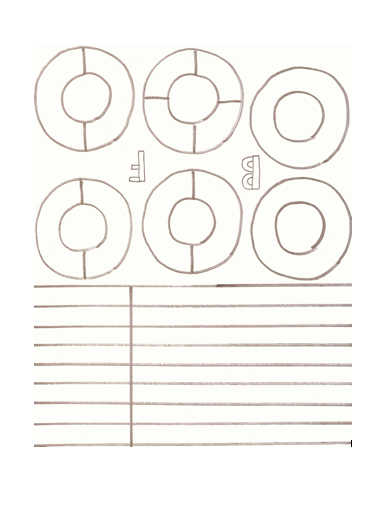
Use the lines and circles that you cut out and let the children try construction their own alphabet letters. Can you make a letter in your name? Can you make one like this? As they make the letters, observe who is able to name the letter/s.

Literacy/Alphabet Knowledge; shows progress in associating the names of letters with their shapes and sounds.  AND Mathematics/Geometry & Spatial Sense; progresses in ability to put together and take shapes apart.

Dramatic Play

If you have lots of play tools you can put some in here as well as the block center. If not, perhaps the children can pretend to call the plumber and a child from blocks can come make a repair or lend a tool.

Social & Emotional Development/Knowledge of families & Community; develops growing awareness of jobs and what is required to perform them.

Math and Manipulatives

Use the tools pictures and the small mouse. Hide the mouse under a tool while the child’s eyes are closed. The child must guess which tool the mouse is under.   Give the child clues as to where the mouse is hidden; “If I wanted to hammer a nail into the wood, which tool would I use, If I wanted to take apart that chair what tool would I use, If I wanted to make this block smaller which tool would I use”?

Language Development/Listening & Understanding; understands an increasingly complex and varied vocabulary.  AND Mathematics/Patterns & Measurement; begins to make comparisons between several objects based on a single attribute.  AND Approaches to Learning/Reasoning & Problem Solving; develops increasing abilities to classify, compare, and contrast objects, events, and experiences.

Outdoor Play

Take out plastic hammers or some half arch blocks from your block center. Gather a variety of leaves or flower heads and show the children how to put the leaf under a piece of light colored paper. The leaf needs to be sandwiched in between the paper and a hard surface like the sidewalk or a board. The child hammers the paper on top of the leaf. Pick up the paper and you will see a design made by the leaf. Try doing several different kinds of leaves or flowers.

Physical Health & Development/Fine Motor Skills; develops growing strength, dexterity, and control needed to use tools such as scissors, paper punch, stapler, and hammer.  

Transitions

Dismiss the children to the next activity by first letter in the children’s name.  Say (and write the letter), “If your name starts with the letter R you may go to the next activity.

Literacy/Alphabet Knowledge; increases in ability to notice the beginning letters in familiar words.

Dear Parent- today we read an alphabet book.  You can help your child learn the letters of the alphabet by working with him/her to recognize and name the letters that make his/her name.  Magnet alphabets on the refrigerator are a fun way for children to play and with letters.

Resources
Screen Shot 2018-09-16 at 7.52.52 PM
Screen Shot 2018-09-16 at 8.03.09 PM
Screen Shot 2018-09-16 at 7.55.12 PM
Screen Shot 2018-09-16 at 7.56.15 PM
Screen Shot 2018-09-16 at 7.54.48 PM
Screen Shot 2018-09-16 at 7.55.56 PM
Screen Shot 2018-09-16 at 7.53.31 PM
Screen Shot 2018-09-16 at 7.56.04 PM
Screen Shot 2018-09-16 at 7.54.31 PM
Screen Shot 2018-09-16 at 7.55.27 PM
Screen Shot 2018-09-16 at 7.56.40 PM
Screen Shot 2018-09-16 at 7.56.31 PM
Screen Shot 2018-09-16 at 7.56.22 PM

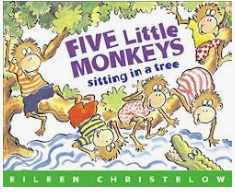
Five Little Monkeys Sitting in a Tree, by Eileen Christelow

            Teasing is not nice as these five monkeys learn. This is a fun counting/subtraction book based on a popular finger play.

Materials

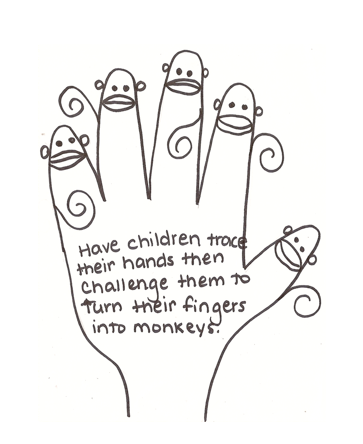
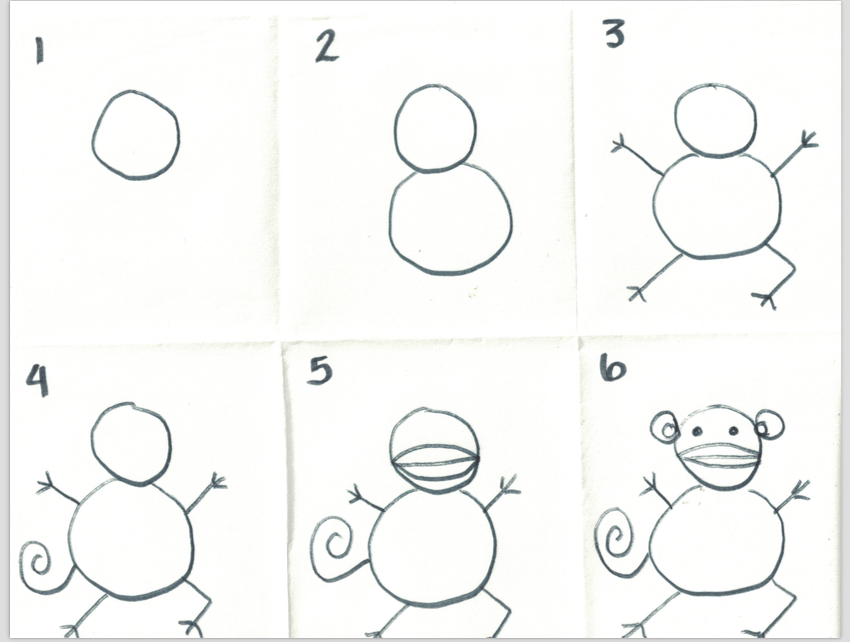
  • Drawing monkey directions
  • Number line 1-5
  • A basket the children can use for picnic play
  • A deck of cards.
  • Bits of tree parts (bark, leaf, stickbud, seed)

Vocabulary

  • Snooze (a nap)
  • Scolds (to tell somebody off, to speak angrily to another)
  • Tease (to make somebody mad on purpose or to be purposely hurtful)

Before Reading the Story

            Tell the children that you want to talk to them about teasing.  Ask them if they know what it means to tease somebody?  Ask them how they feel when somebody teases them?  After the children have shared their experiences about teasing, tell them that you are going to play a game.  Have them make a thumbs up sign and tell them that when they hear a kind/friendly idea make a thumbs up.  When they hear a thoughtless or mean idea make a thumbs down.  Make up scenarios or use ones you have seen in your classroom and ask the children if it is a thumbs up or thumbs down?  After you have run several scenarios pass the children, older children might like to try making one up.  (You are playing in the blocks and another child comes in and goes right up to your building and knocks it down and laughs, is this a thumbs up, or thumbs down?  You are getting some water to put into the water table and you spill some on the floor by accident.  Another child comes over with a paper towel and helps you wipe it up, is this a thumbs up/down?  You fell down while running on the playground and someone laughs at you, thumbs up/down?)

Social & Emotional Development/Self-Control; develops growing understanding of how their actions affect others and begins to accept the consequences for their actions.

Reading the Story

            Tell the children that your story today is about 5 little monkeys who tease.  Hold up the cover and read the title.  Ask the children if anyone can guess who the monkeys might be teasing?

Literacy/Book Knowledge & Appreciation; shows growing interest and involvement in listening to and discussing a variety of fiction and non-fiction books and poetry.

After Reading the Story

            Ask the children why the mother monkey was scolding her children?  Do you think teasing is nice?  Why should we not tease (it hurts peoples feelings, it could make somebody mad, sad, cry).  What should you do if somebody is teasing you?  Have the children practice saying “Stop It, I don’t like that!”  Have them practice saying it loud.  Tell them if you as the teacher hear a child say this (Stop it I don’t like that) that you will come over to where they are and help them.  Have everyone practice saying it again.  Say it again loudly.

Social & Emotional Development/Self-Control; shows progress in expressing feelings, needs, and opinions in difficult situations and conflicts without harming themselves, others, or property.

Discovery

            Bring in parts of trees and magnifying glasses.  Help the children to name the bark, branch, bough, leaf, bud, and seed of the trees.

Science/Scientific Skills & Methods; begins to use senses and a variety of tools and simple measuring devices to gather information, investigate materials, and observe processes and relationships.

Music and Movement;

            Count 1-5 and back again. Hold up your fingers as you count. Count 1-5 in Spanish (uno, dos, tres, quatro, cinco, quatro, tres, dos, uno) or another language that you would like the children to be exposed to.

Mathematics/Number & Operations; develops increasing ability to count in sequence to 10 and beyond.

            Do the Crocodile, Crocodile chant.

Crocodile, crocodile long and green

Crocodile, crocodile with teeth so mean

He snapped at a fish

He snapped at a bee

He snapped at a frog

And he snapped at me.

He caught that fish

He caught that bee

He caught that frog

But he did not catch me!

Whew

Creative Arts/Music; participates with interest and enjoyment in a variety of music activities, including listening, singing, finger plays, games, and performances.

            Gather all the children into a circle and play Monkey See, Monkey Do.  One person starts off as the leader and everyone mimics their movements.  Take turns being the leader. https://www.youtube.com/watch?v=lJ4a7007dV4

When (name) claps, claps, claps her hands

The monkeys clap, clap, clap their hands

Monkey see, Monkey do

Monkey do the same as you (point to the next leader.)

Begin again saying the person’s name and letting them choose the next action

Language Development/Listening & Understanding; shows progress in understanding and following simple and multiple-step directions.

Blocks

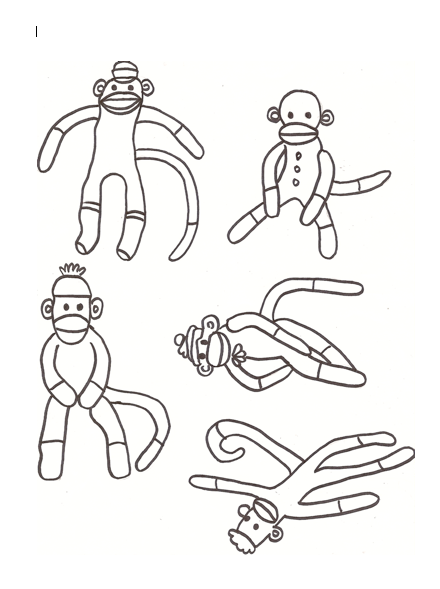
            Draw 5 monkeys, or let the children draw their own.  Cut around the monkey shapes and put a piece of tape onto the back.  The children can build with blocks and then add the 5 monkeys to swing from their structures.

Physical Health & Development/Fine Motor Skills; grows in hand-eye coordination in building with blocks, putting together puzzles, reproducing shapes and patterns, stringing beads, and using scissors.

Art

            Put sand into the paint at the easel today.  When it dries the surface will be a rough texture like a crocodiles back.  Put out green, brown, and white paint to simulate a crocodiles coloring.

Creative Arts/Art; begins to understand and share opinions about artistic products and experiences.

Library and Writing

            Show the children the How to Draw a Monkey page.  Encourage them to try to follow the steps and make five monkeys. 

Mathematics/Geometry & Spatial Sense; progresses in ability to put together and take apart shapes. AND Creative Art/Art; progresses in abilities to create drawings, paintings, models, and other art creations that are more detailed, creative, or realistic.

Sand and Water

            Put water into the table today.   Add several long blocks that the children can pretend are crocodiles.  They can bob these up and down or pour water over them. Add counting bears or similar manipulative, how many bears can the children float on the block/crocodiles back?

Mathematics/Number & Operations; begins to make use of one-to-one correspondence in counting objects and matching groups of objects.

Dramatic Play

            Bring in a basket and a towel or blanket.  The children can pretend to go on a picnic.

Creative Arts/ Dramatic Play; shows growing creativity and imagination in using materials and in assuming different roles in dramatic play situations. AND Literacy?book Knowledge & Appreciation; demonstrates progress in abilities to retell and dictate stories from books and experiences,; to act out stories in dramatic play; and to predict what will happen next in a story.

Math and Manipulatives

            Bring in a deck of cards.  Take out all the face cards.  Shuffle the cards and pass them out evenly between 2-4 players.  Have the children put their pile of cards face down in front of them.  On the count of three, everyone turns over their top card.  The person with the highest number gets to take all the cards and put them in a second pile beside them.  If two or more players turn over the same number, they must slap their card and say SNAP!  The one who says snap first gets to take all the cards and put them beside them.  Play until one person has all the cards or the children loose interest.

Mathematics/Number & Operations;begins to associate number concepts, vocabulary, quantities, and writen numerals in meaningful ways. AND Social & Emotional Development/Cooperation;develops increasing abilities to give and take in interactions,; to take turns in games and using materials; and to interact without being overly submissive or directive.

Outdoor Play 

            If you have a tree or structure to climb, let the children pretend to be the monkeys and the teacher can go about snapping like a crocodile at them.

Literacy?book Knowledge & Appreciation; demonstrates progress in abilities to retell and dictate stories from books and experiences,; to act out stories in dramatic play; and to predict what will happen next in a story.

Transitions

            As children move on to the next activity, hold up 1-5 fingers and say 4-1=? (Four take away one equals how many?)  Do different combinations and have the children figure out the math equation.  Make sure to use only 1-5 unless your children are older then try 1-10.  Use your fingers as a visual cue to help the children.

Mathematics/Number & Operations; develops increasing abilities to combine, separate and name “how many” concrete objects.

Resources
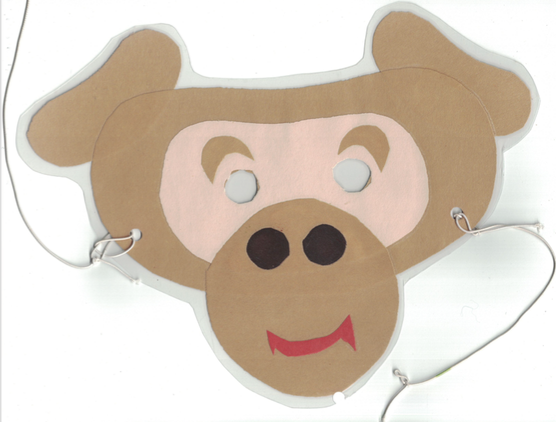
Monkey mask for dramatics