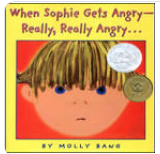
When Sophie Gets Angry- Really, Really Angry, Molly Bang

Sometimes we all get really, really angry. This book shows how one person defuses with all those angry feelings in a positive way.

Materials

  • Blank head with ‘I get angry when ____’
  • Vinegar
  • Baking soda

Vocabulary

  • Smithereens (lots of little pieces)
  • Angry (when you feel really mad inside)
  • Explode (to get really, really angry)
  • Volcano (a mountain that spits out the earth’s innards)

Introducing the Story

Ask the children how you can tell if someone is angry? Ask them to show you what angry looks like. Help the children to notice anger does not only show in the face but the whole body. Tell them that you are going to act out some emotions and see if the children can guess from your body language and facial expression. Let the children try mimicking you.

Social & Emotional Development/Social Relationships; progresses in responding sympathetically to peers who are in need, upset, hurt, or angry; and in expressing empathy or caring to others.  

Reading the Story

Tell the children that the story today is about a girl named Sophie. Hold up the cover of the book. How do you think Sophie is feeling? What are some things that make you feel this way? Introduce the book. 

Social & Emotional Development/Self-Concept; begins to develop and express awareness of self in terms of specific abilities, characteristics, and preferences.  AND Language Development/Speaking & Communicating; develops increasing abilities to understand and use language to communicate information, experiences, ideas, feelings, opinions, needs, questions; and for varies other purposes.

After Reading the Story

Talk with the children about what to do when they become angry with a friend at school? (We count to 3. Say give it back, we can tell the teacher, I say you are not my friend anymore). It’s ok to feel angry but it’s not ok to hurt people. What is your classroom protocol? (i.e.; Stop, count to 10. Say what is wrong. Tell what you want).   Talk with the children about how you would like to see them handle problems. Have the children help act out how your classroom would ideally handle problems.

Social & Emotional Development/Self-Control; shows progress in expressing feelings, needs, and opinions in difficult situations and conflicts without harming themselves, others, or property.

Music and Movement

Sing; If You Are Happy and You Know It. https://www.youtube.com/watch?v=13wd8KvOt58 Make up verses that sing about different emotions. Encourage the children to make the facial expressions accordingly. (If you’re angry and you know it stomp your fist, If you’re sad and you know it wipe your tears).

Language Development/Speaking & Communicating; develops increasing abilities to understand and use language to communicate information, experiences, ideas, feelings, opinions, needs, questions; and for varies other purposes.

Play Bruno Mars Happy https://www.youtube.com/watch?v=MOWDb2TBYDg song and dance!

Creative Arts/Movement; expresses through movement and dancing what is felt and heard in various musical tempos and styles.

Give the children cues on how to move. If they can think of no movements, demonstrate for them to follow. Suggest that they move like; they are really, really angry, move like you are scared of something, move like you are so excited because you just got a present you always wanted, move like you are sleepy and can hardly stay awake.

Language Development/Listening & Understanding; shows progress in understanding and following simple and multiple-step directions.

Discovery

Make a volcano. As you are making your volcano, ask the children if they can remember what happened to Sophie when she exploded.  Ask them if they can guess, hypothesis, what will happen when you mix the volcano ingredients in the soda bottle.  Take the children out on the playground and have them help you big a giant sand mountain. Put a soda bottle into the center of the volcano with the top exposed. Fill the soda bottle up ¾ with warm water. Add 2 tablespoons of baking soda. Fill the rest of the bottle with vinegar. Step back and count down for the eruption!

Science/Scientific Knowledge; shows increased awareness and beginning understanding of changes in materials and cause-effect relationships.

Blocks

Today would be a good day to allow the children to build with blocks and then knock them down.  If you have foam or cardboard blocks, encourage the children to build as tall as they like and then knock down only their structure.  If you have only wooden blocks, you will need to set up very specific ground rules such as you can build no higher than your waist and must take turns knocking the structure down when your friends are cleared from being hit by falling blocks.

Social & Emotional Development/Self-Control; demonstrates increasing capacity to follow rules and routines and use materials purposefully, safely, and respectfully.  AND Health & Physical Development/Fine Motor Skills; grows in eye-hand coordination in building with blocks, putting together puzzles, reproducing patterns and shapes, stringing beads, and using scissors.

Art

Make trees. Cut out tree trunks and let the children glue them to a sheet of paper. Put out strips of colored paper ½ inch wide by the length of the construction paper. The children can take scissors and snip the strips and then glue the snips to the tree for leaves.

Health & Physical Development/Fine Motor Skills; grows in eye-hand coordination in building with blocks, putting together puzzles, reproducing patterns and shapes, stringing beads, and using scissors.

Sand and Water

Water play can be very soothing for children. Put out water today and let the children scoop and pour.

Social & Emotional Development/Cooperation; increases abilities to sustain interactions with peers by helping, sharing, and discussion.

Library and Writing

Give each child a paper with a blank head on it. Ask the child to draw what angry looks like. Let the child share ideas of what makes him/her angry and write it underneath their angry face.

Literacy/Early Writing; begins to represent stories and experiences through pictures, dictations, and in play.

Dramatic Play

Encourage the children to play house and work together so no one gets their feelings hurt and everyone feels welcomed.

Social & Emotional Development/Social Relationships; Shows progress in developing friendships with peers.  

Math and Manipulaties

Any puzzles that you have that show emotion. As the children put the puzzles together talk about the people’s expressions. Can you tell how they feel? What makes you feel that way? If you do not have puzzles, you can still let the children do puzzles today and you observe their body language as they put the puzzles together. Comment on their emotions. (Ryan, you look frustrated, would you like some help? Alison, you finished that puzzle all by yourself, you must feel proud. Roger, you have done that puzzle three times now, you must be feeling confident).

Approaches to Learning/Engagement & Persistence; grows in abilities to persist in and complete a variety of task, activities, projects, and experiences.

Outdoor Play

Run, run, run, run, and run. Then sit down and relax and enjoy the nature your playground provides.  While they are sitting and cooling down, make an awareness of how their breathing and heartbeat have changed.  Remind them that it is important to work their heart muscle everyday.

Physical Health & Development/Gross Motor Skills; shows increasing levels of proficiency, control, and balance in walking, climbing, running, jumping, hopping, skipping, marching, and galloping.  AND Science/Scientific Knowledge; expands knowledge of and respect for their bodies and the environment.

Transitions

In the story, Sophie lets out a “red, red, roar!”. Let each child let out a red, red roar as they go to the next activity.

Language Development/Listening & Understanding; understands an increasingly complex and varied vocabulary.

Dear Parents, today we read a story about a little girl who gets very angry. We then talked about ways to defuse anger. Ask your child if they can think of ways that they can defuse anger at home. Encourage them to think of multiple solutions. Then ask them which one they would like to try next time they get really, really angry.

Resources
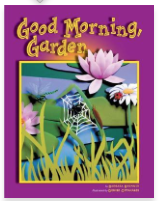
Good Morning Garden, by Barbara Brenner

Everyone starts their day off a little different. In this story a little girl starts off her day by greeting all the things she finds in her garden.

Materials

  • Silk flowers. If you have the ‘heads’ only, pipe cleaners work well for the stems. Just cut them down to an appropriate length.
  • 1 paper plate for every 3 children in classroom and one extra.
  • Pipe cleaners cut into various lengths for both sand/water play and manipulatives.

Vocabulary

  • Plant (flowers, vegetables, trees, and shrubs that mainly grow in the ground)
  • Dew (droplets of water that form on plants and other objects through condensation)
  • Neighborhood (a place where several or many families live)
  • Living (alive)
  • Inanimate (not alive)

Introducing the Story

Begin a discussion on morning rituals.   Ask the children how they start their morning. What do you do first, next, and last. (My Daddy wakes me up and then I get dressed because I have to come to school). Let the children talk about all the things they do. As a child introduces a new activity, ask the other children if they do this too. (How many of you brush your teeth in the morning like Roger?). Tell the children that today you are going to read a story about a little girl who likes to start her day in a different way. Open up the book so the children can see the front and back covers and ask them if they can guess how this girl likes to start her day?

Approaches to Learning/Reasoning & Problem-Solving; develops increasing ability to find more than one solution to a question, task, or problem.

Reading the Story

Read the first page and state that the girl likes to go for a walk and say good morning to the things in her yard. Now as you go through the pages, ask the children if they can name some of the things in the yard. Use your finger to point out the items the young girl is saying good morning to.  Read slowly and allow the children to enjoy the pictures and add any discussion that is appropriate to the story. (Once I saw a bumblebee in my yard and I ran away cause it was gonna sting me).

Science/Scientific Knowledge; expands knowledge of and abilities to observe, describe, and discuss the natural world, materials, living things, and natural processes.

After Reading the Story

Open the book to any page and tell the children to look carefully at how the illustrator made the pictures. Explain to them Denise Ortakales is the illustrator and artist who cut all these little shapes of paper and glued them together to make these pictures. This technique is called paper sculpting. It takes a lot of practice to be able to cut this good; Denise Ortakales is a real artist.

Literacy/Book Knowledge & Appreciation; progresses in learning how to handle care for books; knowing to view one page at a time in sequence from front to back; and understanding that a book has a title, author, and illustrator.

Music and Movement

Sing The Itsy Bitsy Spider.

The Itsy Bitsy Spider climbed up the waterspout.         (make hands pretend to crawl up)
Down came the rain and washed the spider out.          (wiggle fingers to make rain motion)
Out came the sun and dried up all the rain                    (put hands over head fingers to fingers/thumb to thumb)
And the Itsy Bitsy spider, went up the spout again.    (make hands pretend to crawl up)

Change the Itsy Bitsy spider to the Teeny Tiny spider and sing it in a squeaky little voice doing tiny actions. Then sing it to the Humongous spider voice and do great big spider voice and actions.

Creative Arts/Music; participates with increasing interest and enjoyment in a variety if music activities, including listening, singing finger plays, games, and performances.

Put the paper plates on the floor and tell the children that they are going to pretend to be ants crawling about. When the music plays the children crawl about the room. Encourage them to crawl under the table, over the chair, beside the bookcase, walk on the blocks, jump over the stuffed animal, etc. When the music stops the children must quickly crawl to a paper plate (ant hole) where there is room for them. They must put one hand on the plate. When all the ants are in their ‘hole’, begin the music again.

Physical Health & Development/Large Motor Skills; shows increasing levels of proficiency, control, and balance walking, climbing, running, jumping, hopping, skipping, marching, and galloping.

Discovery

In this story, the girl said “good morning” to many living things. Ask the children if they can remember a few. Give the children magazines and scissors and ask them to cut out pictures of living things for you to put on a poster. If the children are cutting many living things pictures, you can change the directions to cut out inanimate objects (things that are not alive).   Depending on how involved the children get, you can glue their pictures to a poster board labeled, LIVING objects and/or INANIMATE objects.

Physical Health & Development/Fine Motor Skills; Grows in eye-hand coordination in building with blocks, putting puzzles together, reproducing shapes and patterns, stringing beads, and using scissors.

Blocks

The last page of the story shows a neighborhood. Show this page to the children in the block center and challenge them to build a neighborhood. Explain that each builder will need a house and whatever else they choose to put into their neighborhood.

Social & Emotional Development/Knowledge of Families & Community; begins to express and understand concepts and language of geography in contexts of classroom, home, and community.

Art

Cut several sheets of construction paper into ½ inch x 6 inch strips. Accordion some of the strips, curl some of the strips, and crease the ends ½” inch in on all of the strips at both ends. Use glue sticks and show the children how to apply the glue to the ½” creased ends of the strips and hold them while they count to 10 on a piece of black construction paper. This will make a 3-dimensional paper collage. Encourage the children to use many strips gluing them under and over each other. Remind them that will have to count to ten and hold the strip in place while the glue settles and sticks. When these are finished they are fun to hang from the wall as the paper sticks out off the wall.

Creative Arts/Art; begins to plan, work independently, and demonstrate care and persistence in a variety of art projects. AND Mathematics/Number & Operations; develops increasing ability to count in sequences to 10 and beyond.

Sand and Water

Add damp sand and plastic or silk flowers for planting. Add spoons and a watering can, and popsicle sticks for labeling what you are growing. If you have bean seeds or small puff balls, these can be used as ‘seeds’.

Creative Arts/Dramatic Play; shows growing creativity and imagination in using materials and in assuming different roles in dramatic play situations.

Library and Writing

Cut out several 3-4 inch shapes from cardboard (a circle, a square, and a triangle). Show the children how to hold the shape onto a piece of paper and trace around it with a marker. Next give the children scissors so they can practice cutting out the shapes. They can either glue them to paper or put them into an envelope for another days art project.

Physical Health & Development/Fine Motor Skills; develops growing strength, dexterity, and control needed to use tools such as scissors, paper punch, stapler, and hammer.

Dramatic Play

The story was about one girl’s morning rituals. Encourage the children to play out their morning rituals. Some children can be parents and some children. As you check in with the center, ask them about their own morning rituals to help guide the play along.

Social & Emotional Development/Knowledge of Families & Communities; progresses in understanding similarities and respecting differences among people such as gender, race, special needs, culture, language, and family structures.

Math and Manipulaties

Give the children play dough and pipe cleaners today. Challenge them to make a spider or insect. Can they roll out a long snake?

Physical Health & Development/Fine Motor Skills; develops growing strength, dexterity, and control needed to use tools such as scissors, paper punch, stapler, and hammer

Outdoor Play

Prep your playground several days ahead of time. Lay a piece of cardboard down in a shady location (the coolness underneath attracts insects). Put out several small dishes of fruit pieces that may help attract ants. On the day of your walk, take out paper and pencil, and magnifying glasses. Go for a Living Things walk and record what they children see on the paper to share in the classroom later.

Science/Scientific Knowledge; expands knowledge of and abilities to observe, describe, and discuss the natural world, materials, living things, and natural processes.

Transitions

Play Categories with the children. Name a category such as fruits, insects and bugs, animals that live in trees, etc. Each child must try to name something from the category before lining up or going to the next activity. For younger children, keep the categories simpler. Name red objects, things that fly, or you name an object and ask them if it is alive or inanimate. (chair, bird, television, etc.)

Approaches to Learning/Reasoning & Problem Solving; develops increasing abilities to classify, compare, and contrast objects, events, and experiences.

Dear Parents, today we read a book about all the wonderful living things out in a little girls neighborhood. Take your child for a walk about your yard or neighborhood and take time to see all the wonders of nature with your child.

Barnyard Banter, by Denise Fleming

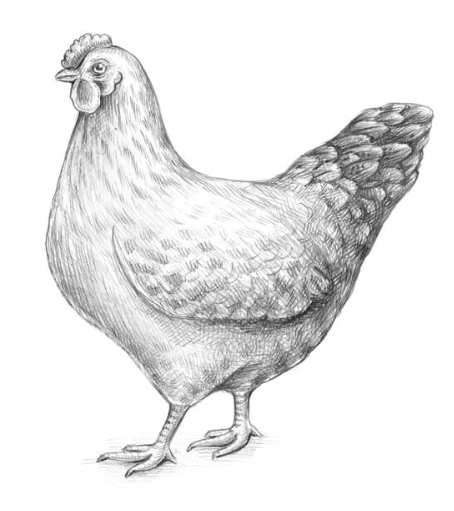
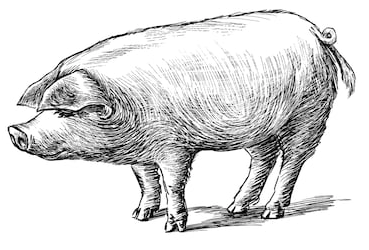
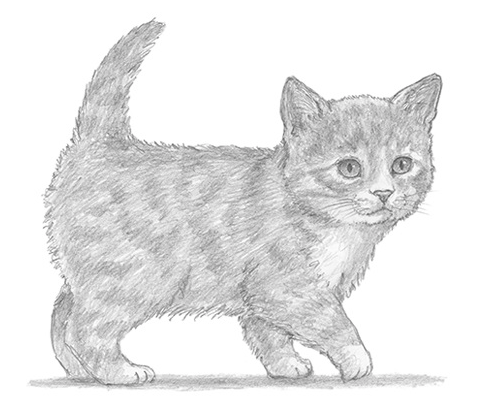
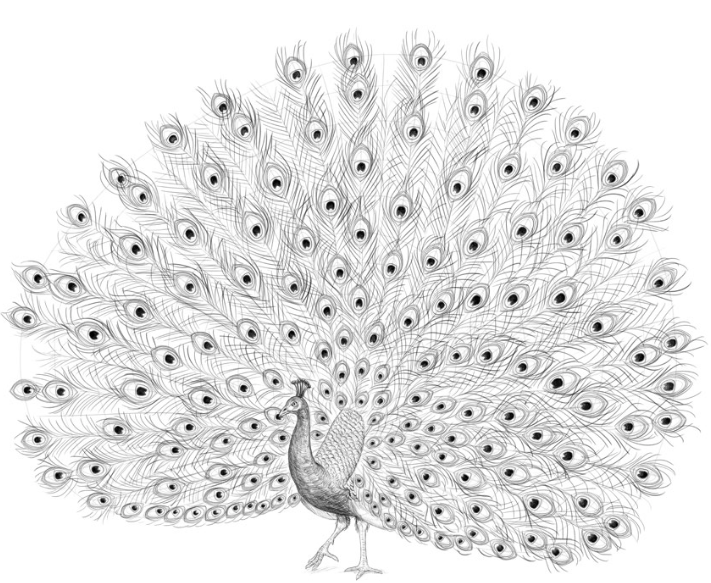
This is a fun book to introduce children to the animals that live on a farm and the special voice each has. Older children enjoy the sing-song rhythm of the book and use it as an easy first read. Denise Fleming’s web site has directions on how to make all the animals from the story out of paper plates which are very cute. http://www.denisefleming.com/pages/book-activities/barnyard-banter/activities.html#gsc.tab=0

Materials;

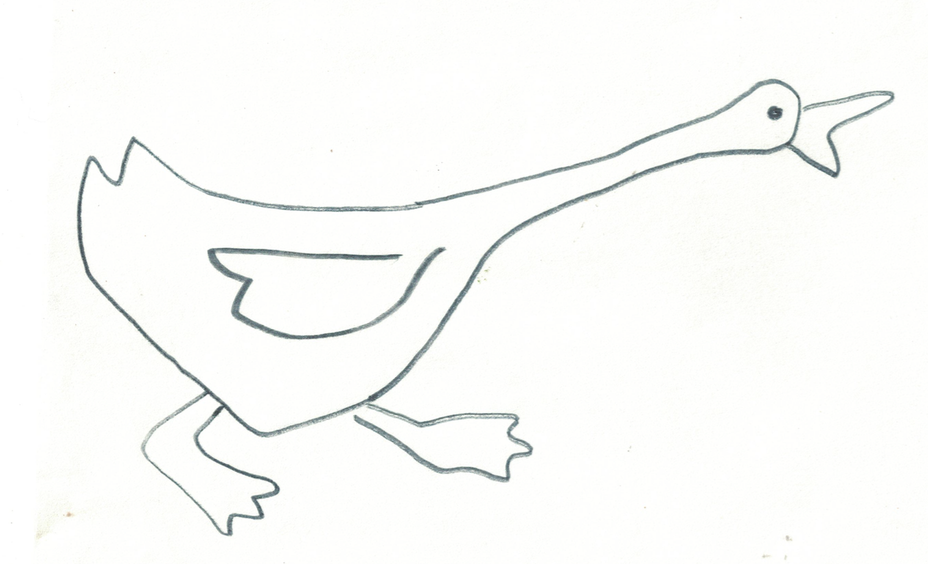
  • Goose for Where’s Goose game
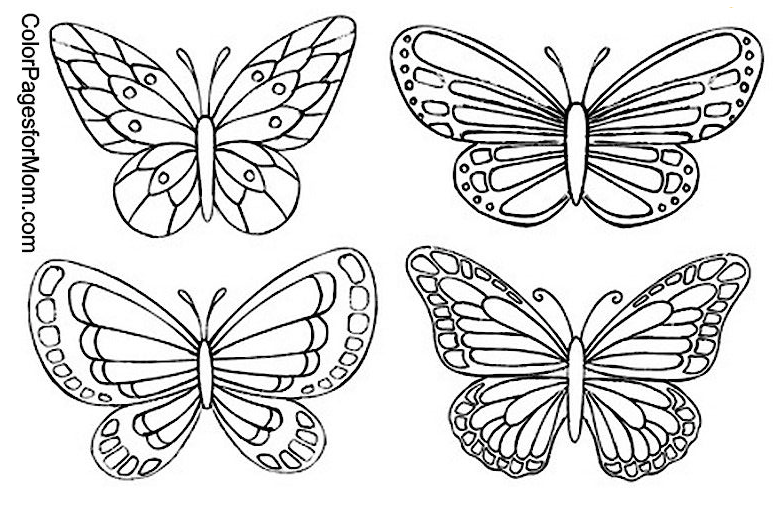
  • Butterfly kite and directions http://thriftyscissors.blogspot.com/2014/06/craft-your-very-own-butterfly-kite.html
  • Pictures of animals in story
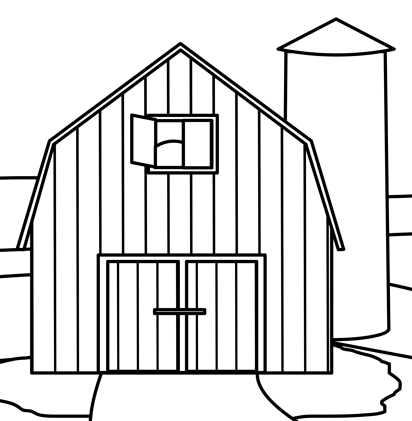
  • Barn- cut the door so that you can put an animal behind and then open and close the door
  • 1 roll of toilet paper, 1 bar of ivory soap, 1 cheese grater
  • Animals without legs (make a second copy of the animals in the story and cut off the legs
  • Clipping clothes pins

Vocabulary

  • Banter (playful talk between two people or animals)
  • Wallow (mud pool that pigs like)

Before Reading the Story

Put the different animals behind the barn door. Give the children clues to which animal is hiding behind the door. Open the door and encourage the children to make the animal sound. (This animal is very small and has a long tail. I eats the grain and corn that fall onto the floor in the barn/mouse).

Approaches to Learning/Reasoning & Problem Solving; develops increasing abilities to classify, compare, and contrast objects, events, and experiences.

Reading the Story

Find a simple tune to sing-song through the book. I use Skip to My Lou. You can help the children count the animals on each page as you read.

Mathematics/Number & Operations; develops increasing ability to count in sequence to 10 and beyond.

After Reading the Story

Ask the children if anyone noticed what the goose was chasing on the pages of the story. Did it ever catch the butterfly? Why do you think the goose was chasing the butterfly?

Literacy/Book Knowledge & Appreciation; shows growing interest and involvement in listening to and discussing a variety of fiction, non-fiction, and poetry.

Play Where’s Goose? Play this like Doggie, Doggie, Where’s Your Bone but have the children take turns hiding the goose instead.

Social & Emotional Development/Cooperation; develops increasing abilities to give and take in interactions; to take turns in games and in using materials; and to interact without being overly submissive or directive.

Discovery

Bring in pictures of animals from the story for the children to look at.   If you have a peacock feather bring it in so the children can see the iridescent colors. Talk about how the animals are similar and different.

Approaches to Learning/Reasoning & Problem Solving; develops increasing abilities to classify, compare, and contrast objects, events, and experiences. AND Science/Scientific Skills & Methods; develops increasing ability to observe and discuss common properties, differences, and comparisons among objects and materials.

Music and Movement

Sing Old McDonald Had a Farm.

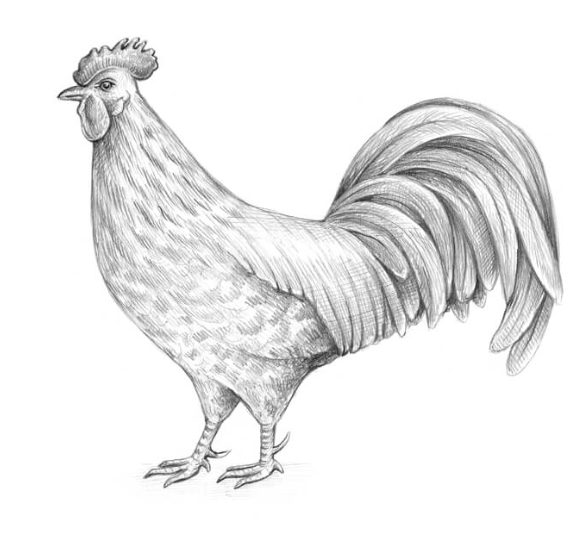
Sing I had a Rooster putting up flannels of the animals as you go. https://www.youtube.com/watch?v=FanKYDrYza4
I had a little rooster by the barnyard gate,
That little rooster was my playmate.
That little rooster went cock-a-doodle-doo,
Dee, doodle, dee, doodle, dee, doodle, dee, doo.

Cow-moo, dee, moo, dee, moo dee, moo /Chicken-clucka, dee, clucka dee, clucka, dee cluck/Pig-muckadee, Etc using animals from the story.

Creative Arts/Music; participates with increasing interest and enjoyment in a variety of music activities, including listening, singing, finger plays, games, and performances.

Ask the children if they can show you how to move like a waddling duck, a galloping horse, a pig wallowing in the mud, a goose strutting, or a butterfly fluttering.

Physical Health & Development/Gross Motor Skills; shows increasing levels of proficiency, control, and balance walking, climbing, running, jumping, hopping, skipping, marching, and galloping.

Blocks

Put out farm animals and encourage the children to build a big barn. Encourage them to build pastures with fences for each like kind of animal. Are they able to sort the animals by like kind?

Mathematics/Patterns & Measurement; shows increasing abilities to match, sort, put in a series, and regroup objects according to one or two attributes such as shape or size.

Art

Have the children decorate the wings of the butterfly in any way they choose.

Creative Arts/Art; gains ability in using different art media and materials in a variety of ways for creative expression and representation.

Ask the children to help draw some of the farm animals and hang on the wall near a barn.

Creative Arts/Art; progresses in abilities to create drawings, paintings, models, and other art creations that are more detailed, creative, and realistic.

Library and Writing

Put out the animal pictures and encourage the children to copy the animal names with magnets or pencils.

Literacy/Early Writing; progresses from scribbles, shapes, or pictures to represent ideas, to using letter-like symbols, to copying or writing familiar words such as their own name.

Sand and Water

In the story the pigs were enjoying the mud. Add dirt and water to the table or try making clean mud with the children. (Children rip the toilet paper off into squares, and grate the bar of soap. Add water a little bit at a time until you have a nice consistency for squishing and making balls with)

Science/Scientific Knowledge; shows increased awareness and beginning understanding of changes in materials and cause-effect relationships.

Math and Manipulatives

Cut out the animals without legs and cover with contact paper. The children use clip clothespins to add the correct number of legs to each animal.

Mathematics/Number & Operations; demonstrates increasing interest and awareness of numbers and counting as a means for solving problems and determining quantity.

Outdoor Play

Take the children’s butterfly wings, straws, and tape outside to make simple butterfly kites with the children. Let them pretend that they are running away from the goose. Can they recall some of the animals in the story? The children can pretend to be these animals also as the butterfly runs by.

Literacy/Book Knowledge & Appreciation; demonstrates progress in ability to retell and dictate stories from books and experiences; to act out stories in dramatic play; and to predict what will happen next in a story.

Transitions

Put all the animal pictures in a basket and have the children take turns picking one. They must then make that animals voice as they move onto the next activity.

Language Development/Speaking & Understanding; develops increasing abilities to understand and use language to communicate information, experiences, ideas, feelings, opinions, needs, questions; and for other varied purposes.

Resources

enlarge for art and butterfly kite
cow
rooster
chicken
pig
kitten
pigeon
mouse
peacock
donkey
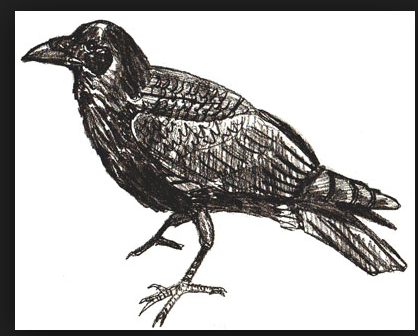
crow
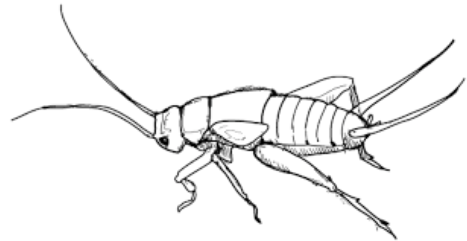
cricket
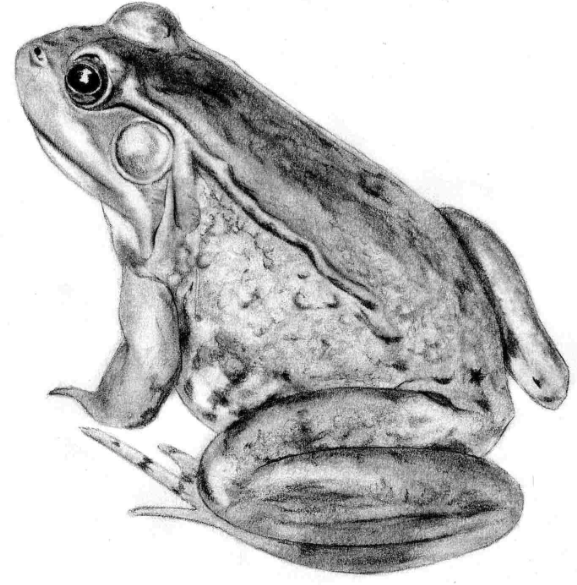
frog
goose
butterfly