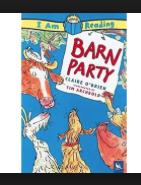
Barn Party, by Claire O’Brien

The chicken sisters are planning a party but rooster takes over.  He thinks he is in charge and invites or disinvites those that he thinks are too untidy to come.  Guess what happens when the other farm animals hear about his unfriendly behavior.

Materials

  • 1-2 rolls of crepe paper
  • Party hats, one for each child allowed in dramatics at one time,
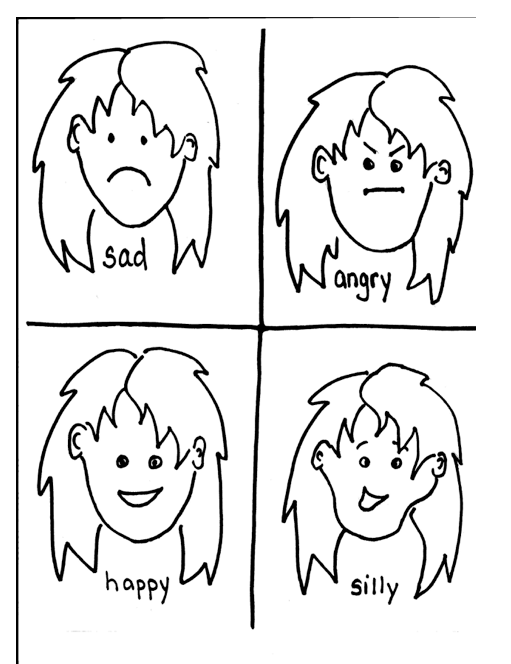
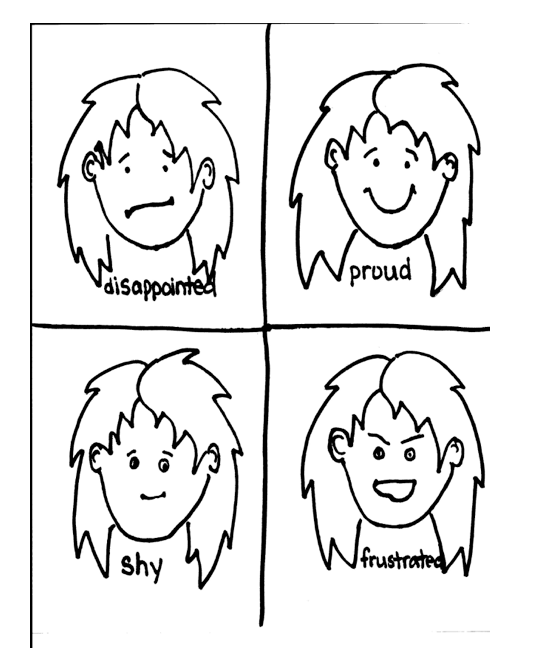
  • Emotion cards
  • A bowling game or 10 soda bottles filled halfway with water and a ball

Vocabulary

  • Mean ( not nice)
  • Furious (to be really, really mad)
  • Sportsmanship (being fair and kind in games or sports)

Before Reading the Story

Read the title of the book and ask the children who they think might be the characters in the story? How many farm animals can they name?

Approaches to Learning/Reasoning & Problem Solving; develops increasing abilities to classify, compare, and contrast objects, events, and experiences.

Reading the Story

Stop on page 25 and Ask the children how they think all the animals are feeling knowing that they are not invited to the party?  How would it make you feel?  Now ask, what do you think the animals could do to make themselves feel better?  On page 30, ask the children if they think the chicken sisters are being mean too, why or why not?  On page 34, the Chicken Sisters say it is time to teach Rooster a lesson.  Ask the children if they have any ideas what the chickens and all the animals are going to do to Rooster to teach him a lesson?

Social & Emotional Development/Social Relationships; progresses in responding sympathetically to peers who need help, upset, angry, or hurt; and in expressing empathy or caring for others. AND Language Development/Speaking & Communicating; develops increasing abilities to understand and use language to communicate information, experiences, ideas, feelings, opinions, needs, questions; and for other varied purposes.

After Reading the Story

Tell the children that you are going to play Thumbs Up/Thumbs Down with them. Explain that you are going to give a scenario and if it is a kind or friendly act, the children put their thumbs up. If it is an unkind or unfriendly act, the children point their thumbs down. (Lisa asked JJ if she could play in the center with him and he said yes. Brenda told Jasmine that she was not her friend because she would not let her have the baby doll that she wanted. When the cook brought lunch, Michael told her thank you, that smells good).

Social & Emotional Development/Self-Control; develops growing understanding of how their actions affect others and begins to accept the consequences of their actions.

Discovery

Make two sets of the emotion cards and attach them to paper that the children cannot see through. Turn all the cards face down on the table. The children take turns picking up two cards trying to pick up matches. If the two cards do not match, the child turns them back face down and it is the next child’s turn. If the two cards match, the child keeps them. When all the cards have been matched, the children can count their cards to see who found the most. Talk about emotions as the children pick up cards.

Approaches to Learning/Engagement & Persistence; shows growing capacity to maintain concentration over time on a task, question, set of directions or interactions, despite distractions and interruptions.

Music and Movement

Teach the children the Brush Your Teeth chant.

Brush your teeth everyday,

Up and Down it is the right way.

Back and forth and circles too,

That’s just what you’ve got to do. 

Brush your teeth everyday,

Up and down it is the right way.

Physical Health & Development/Health Status & Practices; shows growing independence in hygiene, nutrition, and personal care when eating, dressing, washing hands, brushing teeth, and toileting.

Sing, It’s Love That Makes The World Go Round. Take the verse tune to this song and teach the children using the following words. https://www.youtube.com/watch?v=TB6hivRQxmE 

It’s love, it’s love, it’s love that make the world go round

It’s love, it’s love, it’s love that makes the world go round

It’s love, it’s love, it’s love that makes the world go round

It’s love that makes the world go round.

It’s you, it’s me, it’s friends that make the world go round

It’s you, it’s me, it’s friends that make the world go round

It’s you, it’s me, it’s friends that make the world go round

It’s love that makes the world go round.

Creative Arts/Music; participates with increasing interest and enjoyment in a variety of music activities, including listening, singing, finger plays, games, and performances.

Put on lively dance music today and pretend to be having a barn dance.  https://www.youtube.com/watch?v=1xXePOakJGs

Creative Arts/Movement; expresses through movement and dancing what if felt and heard in various musical tempos and styles.

Blocks

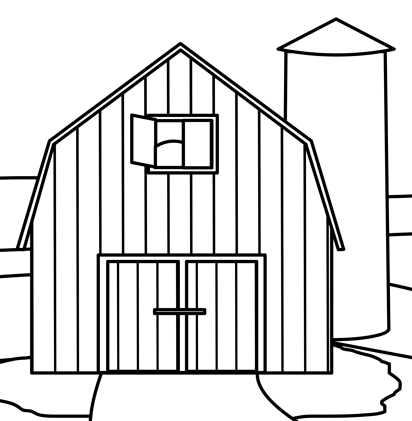
The animals had their party in the barn.  Put out the farm animals today and challenge the children to make a big barn out of blocks.  Encourage them to work together. Social & Emotional Development/Cooperation; shows increasing abilities to use compromise and discussion in working, playing, and resolving conflicts with peers.

Art

Remind the children that in the story today, cow had gotten new teeth.    Ask the children how they take care of their teeth (I brush my teeth.  My Mom says no soda because it will make my teeth fall out. ).  Ask how often children should brush their teeth?  Give each child a yellow piece of paper cut out into a tooth shape.  Show them how to dip a toothbrush into white paint and paint the yellow tooth shape .  Encourage them to brush the entire yellow tooth shape until it is clean and shiny (full of white paint). Do the Brush Your Teeth chant as the children paint.

Physical Health & Development/Health Status & Practices; shows growing independence in hygiene, nutrition, and personal care when eating, dressing, washing hands, brushing teeth, and toileting.

Sand and Water

Put dirt in the table today.  Give the children watering cans or medium sized containers to add water to the dirt.  What happens?  Give the children some scooping toys and let them enjoy the mud.  Ask, who in the story was told they are too muddy (pig)? 

Science/Scientific Methods & Skills; begins to use senses and a variety of tools and simple measuring devices to gather information, investigate materials, and observe processes and relationships.

Library and Writing

Ask each child to draw a picture of themself with a friend.  Ask the child, what makes _______such a good friend?  Write their response on the bottom of the paper.  (Roger is my friend because he always lets me play.  Lee is my friend because her hair is like mine in a ponytail, Kim is my friend because she shares her snack and her toys with me).

Social & Emotional Development/Social Relationships; shows progress in developing friendships with peers.

Dramatic Play

Add a roll of crepe paper and some party hats to the center today.  The children can decorate for a pretend party.

Literacy/Book Knowledge & Appreciation; demonstrates progress in abilities to retell and dictate stories from books and experiences; to act out stories in dramatic play; amd to predict what will happen next in a story.

Math and Manipulatives

Set out a classroom game such as CandyLand where the children must take turns. Before they begin, remind them about good sportsmanship.

Social & Emotional Development/Cooperation; develops increasing abilities to give and take in interactions; taking turns in games and in using materials; and to interact without being overly submissive or directive.

Outdoor Play

Set up bowling with the children today.  The children have to take turns rolling the pins and setting up the pins.

Social & Emotional Development/Cooperation; develops increasing abilities to give and take in interactions; taking turns in games and in using materials; and to interact without being overly submissive or directive.

Encourage ball play today.  Have the children find a friend and bounce the ball to each other or roll, kick, or throw the ball to one another.

Physical Health & Development/Gross Motor Skills; demonstrates increasing ability to coordinate movements in throwing, catching, kicking, bouncing balls, and using the slide and swing. AND Social & Emotional Development/Cooperation; increases abilities to sustain interactions with peers by helping, sharing, and discussion.

Transitions

Play I’m thinking of a friend.  Give clues as to who you are thinking about in the classroom or center.  The children guess.   If they guess right they may head to the next activity.  (I’m thinking of a friend who has curly hair and a baby brother.  This friend comes to school in a white SUV with the dog in the back seat.  I’m thinking of a very important friend because she makes us out lunch everyday.).

Approaches to Learning/reasoning & Problem Solving; develops increasing abilities to classify, compare, and contrast objects, events, and experiences.

Resources
It’s love
The world go round
It’s you
It’s me
It’s friends

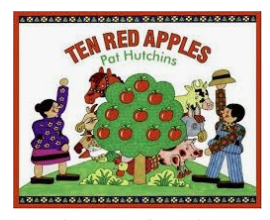
Ten Red Apples, by Pat Hutchins

Counting, rhyming, and animal voices make this a fun story for children to help tell as a farmer watches all the animals come eat from his apple tree.

Materials

  • Several apples of different colors for taste testing
  • 10 index cards each labeled with a number and corresponding dots/apples
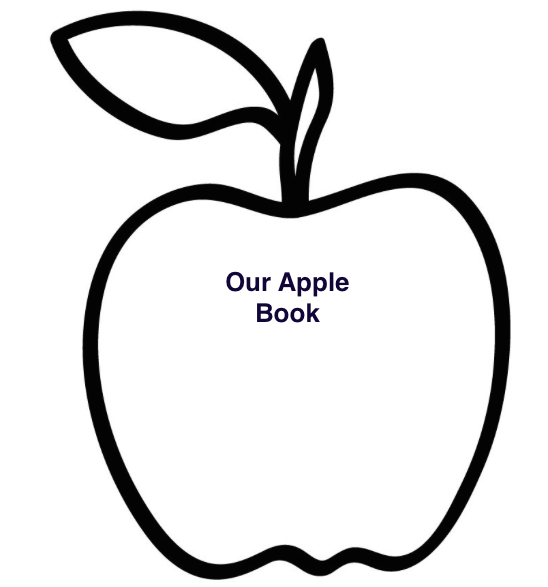
  • Apple shape
  • Bingo dauber, stamp pad, or red marker per child

Vocabulary

Before Reading the Story

Open the cover and show the children the pages with all the apple trees and numbers. Count with the children the numbers from the different apple trees.  Explain to the children that you want them to help read the story by repeating the Farmer’s line on each page.  Say the line, “Save some for me”! and have the children repeat.  Tell them that you will let them know when they are to say this line throughout the story.   Practice one more time with the children and then introduce the book.

Literacy/Book Knowledge & Appreciation; shows growing interest in reading related activities, such as asking to have a favorite book read; drawing pictures based on books; choosing books to look at; asking to take books home; going to the library; and engaging in pretend-reading with other children.

Reading the Story

Point to each number on the page so the children notice what the written number looks like as you say the number orally.  On page with number 8 after the farmer says, “Donkey, save some for me”!  Ask the children if they can guess what animal will come next?  If they cannot, tell them to look in the background (behind the farmer) for a clue.  On each page before making the animal voice, ask the children if they know what the animal voice sounds like?

Mathematics/Number & Operations; begins to associate number concepts, vocabulary, quantities, and written numerals in meaningful ways.

After Reading the Story

On the page where it says, “More red apples hanging from the tree…”, point out that the story started with the biggest animal and ended up with the smallest one eating apples.  Point to the horse and say, “tallest”.  Point to the cow and say, “smaller”.  Continue pointing down the progression of animals saying smaller, smaller, smaller, until you get to the chicken and say smallest.    Now tell the children that you are going to try to line up all together from tallest to shortest.  Have two children stand up and ask, “who is taller”?  Have the taller child stand in the first position.  Have another child come up and ask them to stand beside the tallest child and ask, “Is ____ taller or shorter”?  Have the children get into position according to the tallest to the shortest.

Mathematics/Patterns & Measurement; shows progress in using standard and non-standard measures of length and area of objects.

Discovery

Apple taste and graph favorite color  If you choose to do apple graphing today, teach the children the following verse; Eat an apple save the core.  Plant the seeds and grow some more.  Then give each child a copy of the apple page and ask them which color apple they liked best.  Have the children color their apple accordingly and staple all the pages together to make an apple book.

Social & Emotional Development/Self-Concept; begins to develop and express awareness of self in terms of specific abilities, characteristics, and preferences. AND Literacy/Early Writing; begins to represent stories and experiences through pictures, dictation, and in play.

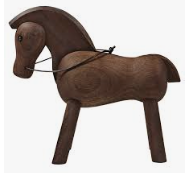
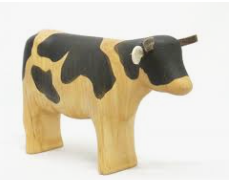
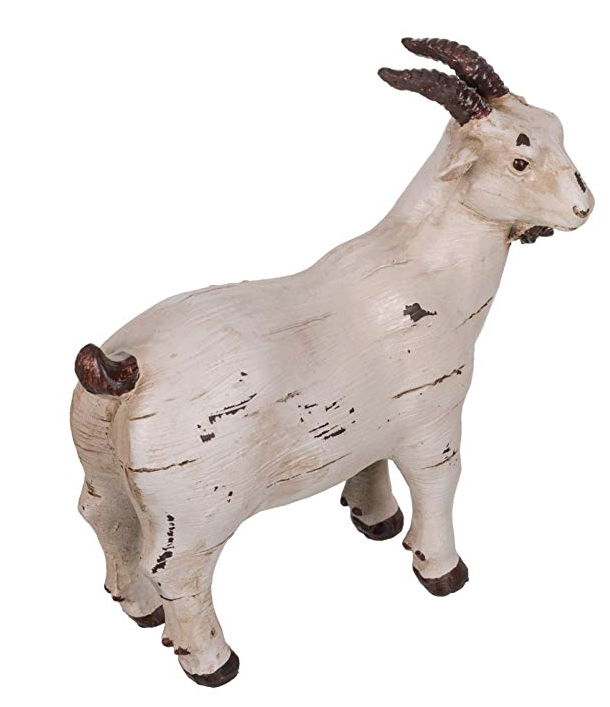
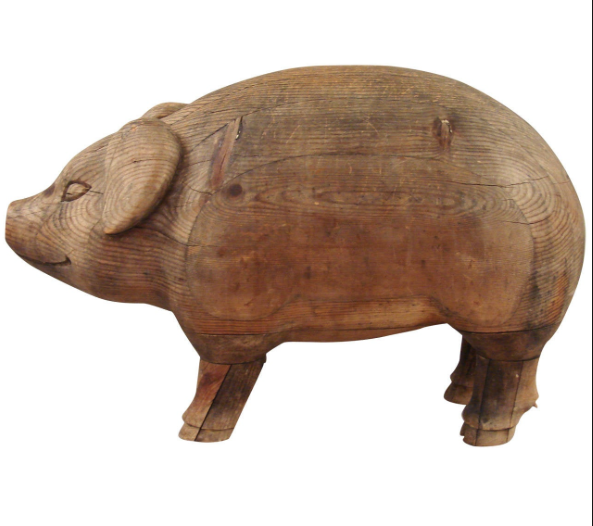
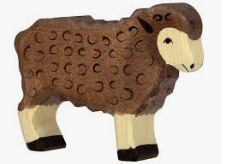
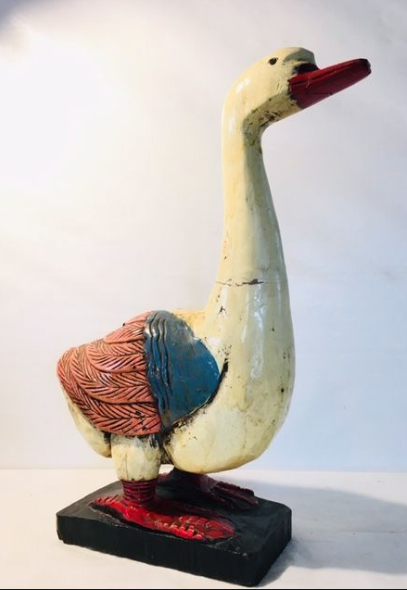
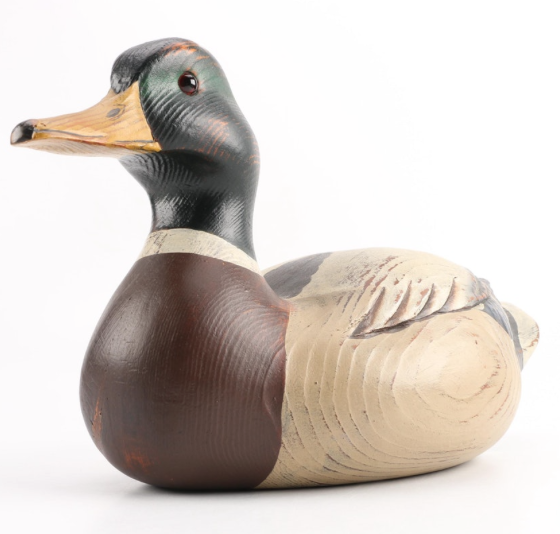
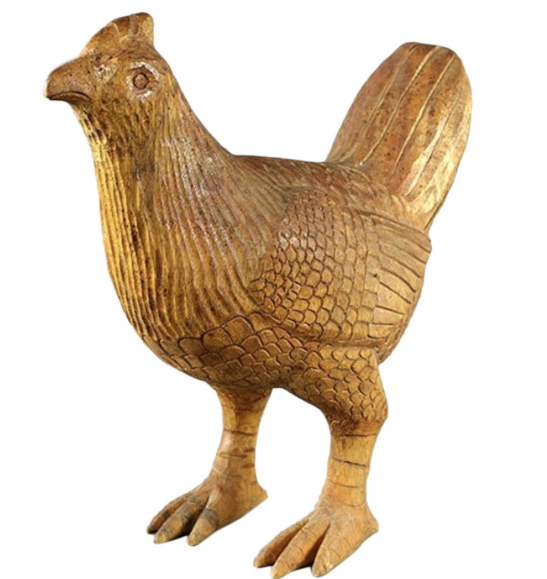
Show the children the pictures of the wooden animals.  Explain that Pat Hutchins drew wooden animals for her story illustrations.  Encourage the children to go about the room looking for other objects made out of wood.

Mathematics/Patterns & Measurement; beins to make comparisons between several objects based on a single attribute.

Music and Movement

Pass an apple like hot potato when the music stops the child holding the apple is out.

Creative Arts/Music; participates with increasing interest and enjoyment in a variety of music activities, including listening, singing, finger plays, games, and performances.

Cut out as many apple shapes as there are children.  On the backside of each apple, make a movement direction (hop on one foot, jump forwards then backwards).  Put the apples on the wall and pretend it is a tree.  Each child gets to pick an apple and the whole group does the movement.

Physical Health & Development/Health Status & Practices; participates actively in games, outdoor play, and other forms of exercise that enhance physical fitness.

Teach the children The Apple Tree finger play.

Way up high in the apple tree                    (Make fists and hold overhead)

Two little apples smiled down on me.

I shook that tree as hard as I could            (Shake fists in air)

Down fell the apples                                     (Bring hands down to lap)

Mmmmm, were they good!                         (Pretend to eat an apple)

Language Development/Listening & Understanding; demonstrates increasing ability to attend to and understand conversations, stories, songs, and poems.

Sing The Farmer in the Dell but change the words to go with the story. https://www.youtube.com/watch?v=m023UjciCpE

First comes the horse, first comes the horse, Hi ho the derry-o, first comes the horse. 

Second comes the cow, second comes the come, hi ho the derry-o, second comes the cow. 

Third comes the donkey

Fourth comes the goat

Fifth comes the pig

Sixth comes the sheep

Seventh comes the goose

Eighth comes the duck

Ninth comes the hen

Last comes the farmer, last comes the farmer, hi ho the derry-o last comes the farmer.

Hold up the corresponding number of fingers as you sing each verse. After singing the farmer verse and you are holding up 10 fingers, ask the children if they know how many fingers this is. Then count backward from 10 to 1.

Mathematics/Number & Operations;begins to associate number concepts, vocabulary, quantities, and written numerals in meaningful ways.

Blocks

If you have wooden people and farm animals, add them to the block center today. 

Physical Health & Development/Fine Motor Skills; grows in hand-eye coordination in building with blocks, putting together puzzles, reproducing shapes and patterns, stringing beads, and using scissors.

Art

Make red play dough and add cinnamon for scent. (Uncooked Playdough 1 cup plain flour. 1/4 cup salt. 1 tablespoon cooking oil. A few drops of food colouring. 1/2 cup water. Mix dry ingredients, make a mound and then scoop a hole in the center of the mound. Slowly add the oil and water. This will be sticky at first but as you need it it will become pliable. Work until playdough consistency).

Science/Scientific Skills & Methods; begins to use senses and a variety of tools and simple measuring devices to gather information, investigate materials, and observe processes and relationships.

Give each child a copy of one of the wooden animals.  Have them draw an apple tree and then glue their animal underneath.

Literacy/Early Writing; begins to represent stories and experiences through pictures, dictation, and in play.

Sand and Water

Put out many puffballs into the table today along with tongs. On index cards, write the numbers 1-10 and also represent with dots/apples. Add several bowls.  Show the child how to pick up a number card and then use the tongs to collect that many puffballs to put into their bowl.

Mathematics/Number & Operations; begins to make use of one-to-one correspondence in counting objects and matching groups of objects.

Library and Writing

Make a second set of animal cards and write the name of each animal underneath in a print form that you are teaching the children (capital w/ lower, all capitals, all lower).  Put out paper and writing tools and encourage  the children to practice writing the various animal names.  Encourage the children to make illustrations as they write their words.

Literacy?Early Writing; progresses from using scribbles, shapes, or pictures to represent ideas to using letter-like symbols, to copying or writing familiar words such as their own name.

Dramatic Play

If you have any plastic apples, add them to the center today along with a basket.

Math and Manipulatives

Give each child an apple shape and a bingo dauber, stamp pad, or colored marker. Have the children take turns rolling the dice and then adding that many “apples” to their tree. Continue letting the children take turns until they grow tired.

Mathematics/Number & Operations; begins to make use of one-to-one correspondence in counting objects and matching groups of objects.

Use the apple pattern page to cut out and color the apples 3 different colors that you are working on as a class.  Make simple patterns for the children to copy (red, blue, blue, red, blue, blue/yellow, green, red, yellow, green, red).

Mathematics/Patterns & Measurement; enhances abilities to recognize, duplicate, and extend simple patterns using a variety of materials.

Outdoor Play

Put 3 hoola hoops in a row on the ground, or draw 3 circles on the pavement in a row.  The teacher names a category and the child must jump into each circle and name something that belongs in that category.  The child will name three things, one in each circle.  Categories can include such things as; farm animals, fruits, things you can make from apples, colors you are wearing, three friends, things we eat for lunch, letters of the alphabet.

Approaches to Learning/Reasoning & Problem SOlving; develops increasing ability to find more than one solution to a question, task, or problem.

Transitions

The teacher holds her hands over her head and says’ “One to three, count for me” and unfolds one or both hands revealing a number of fingers to be counted by the child.

Mathematics/Number & Operations; begins to make use of one-to-one correspondence in counting objects and matching groups of objects.

Resources

Barnyard Banter, by Denise Fleming

This is a fun book to introduce children to the animals that live on a farm and the special voice each has. Older children enjoy the sing-song rhythm of the book and use it as an easy first read. Denise Fleming’s web site has directions on how to make all the animals from the story out of paper plates which are very cute. http://www.denisefleming.com/pages/book-activities/barnyard-banter/activities.html#gsc.tab=0

Materials;

  • Goose for Where’s Goose game
  • Butterfly kite and directions http://thriftyscissors.blogspot.com/2014/06/craft-your-very-own-butterfly-kite.html
  • Pictures of animals in story
  • Barn- cut the door so that you can put an animal behind and then open and close the door
  • 1 roll of toilet paper, 1 bar of ivory soap, 1 cheese grater
  • Animals without legs (make a second copy of the animals in the story and cut off the legs
  • Clipping clothes pins

Vocabulary

  • Banter (playful talk between two people or animals)
  • Wallow (mud pool that pigs like)

Before Reading the Story

Put the different animals behind the barn door. Give the children clues to which animal is hiding behind the door. Open the door and encourage the children to make the animal sound. (This animal is very small and has a long tail. I eats the grain and corn that fall onto the floor in the barn/mouse).

Approaches to Learning/Reasoning & Problem Solving; develops increasing abilities to classify, compare, and contrast objects, events, and experiences.

Reading the Story

Find a simple tune to sing-song through the book. I use Skip to My Lou. You can help the children count the animals on each page as you read.

Mathematics/Number & Operations; develops increasing ability to count in sequence to 10 and beyond.

After Reading the Story

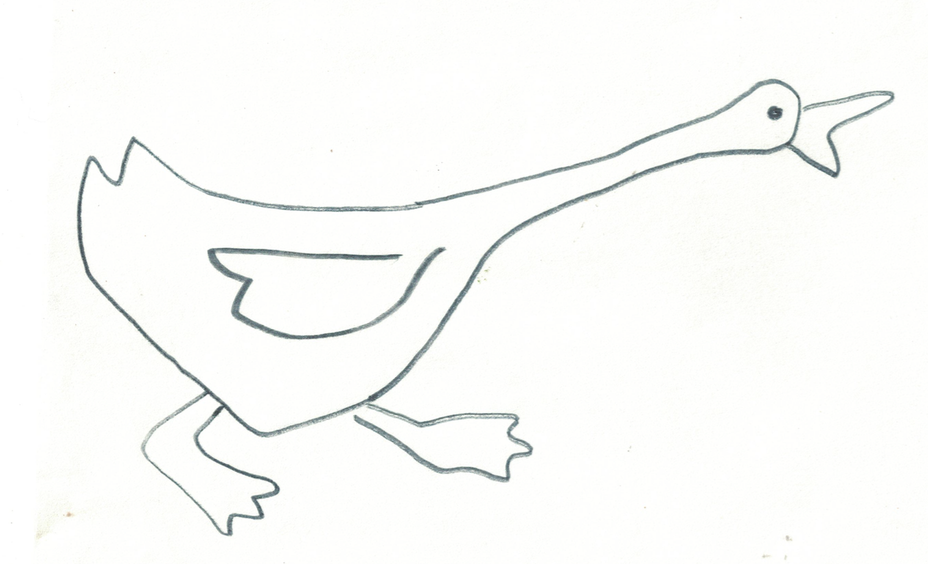
Ask the children if anyone noticed what the goose was chasing on the pages of the story. Did it ever catch the butterfly? Why do you think the goose was chasing the butterfly?

Literacy/Book Knowledge & Appreciation; shows growing interest and involvement in listening to and discussing a variety of fiction, non-fiction, and poetry.

Play Where’s Goose? Play this like Doggie, Doggie, Where’s Your Bone but have the children take turns hiding the goose instead.

Social & Emotional Development/Cooperation; develops increasing abilities to give and take in interactions; to take turns in games and in using materials; and to interact without being overly submissive or directive.

Discovery

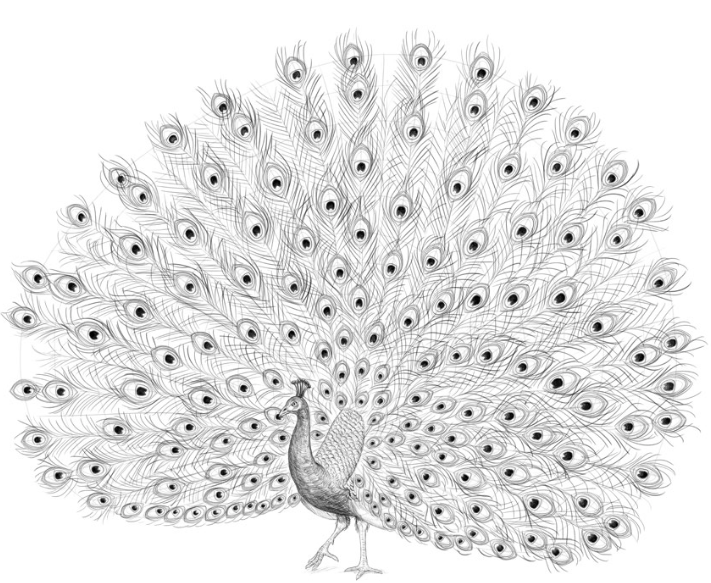
Bring in pictures of animals from the story for the children to look at.   If you have a peacock feather bring it in so the children can see the iridescent colors. Talk about how the animals are similar and different.

Approaches to Learning/Reasoning & Problem Solving; develops increasing abilities to classify, compare, and contrast objects, events, and experiences. AND Science/Scientific Skills & Methods; develops increasing ability to observe and discuss common properties, differences, and comparisons among objects and materials.

Music and Movement

Sing Old McDonald Had a Farm.

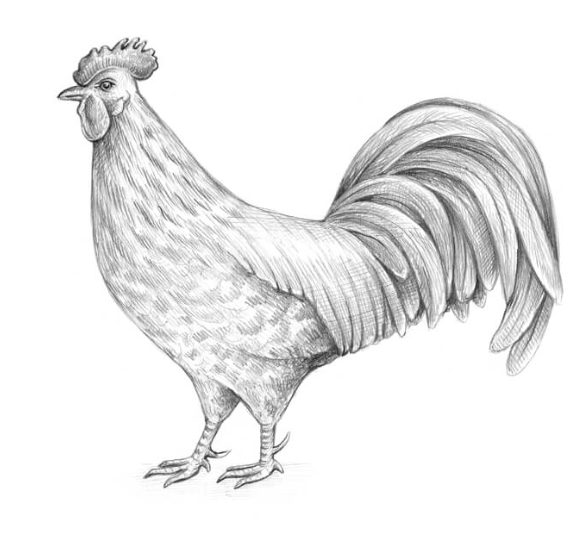
Sing I had a Rooster putting up flannels of the animals as you go. https://www.youtube.com/watch?v=FanKYDrYza4
I had a little rooster by the barnyard gate,
That little rooster was my playmate.
That little rooster went cock-a-doodle-doo,
Dee, doodle, dee, doodle, dee, doodle, dee, doo.

Cow-moo, dee, moo, dee, moo dee, moo /Chicken-clucka, dee, clucka dee, clucka, dee cluck/Pig-muckadee, Etc using animals from the story.

Creative Arts/Music; participates with increasing interest and enjoyment in a variety of music activities, including listening, singing, finger plays, games, and performances.

Ask the children if they can show you how to move like a waddling duck, a galloping horse, a pig wallowing in the mud, a goose strutting, or a butterfly fluttering.

Physical Health & Development/Gross Motor Skills; shows increasing levels of proficiency, control, and balance walking, climbing, running, jumping, hopping, skipping, marching, and galloping.

Blocks

Put out farm animals and encourage the children to build a big barn. Encourage them to build pastures with fences for each like kind of animal. Are they able to sort the animals by like kind?

Mathematics/Patterns & Measurement; shows increasing abilities to match, sort, put in a series, and regroup objects according to one or two attributes such as shape or size.

Art

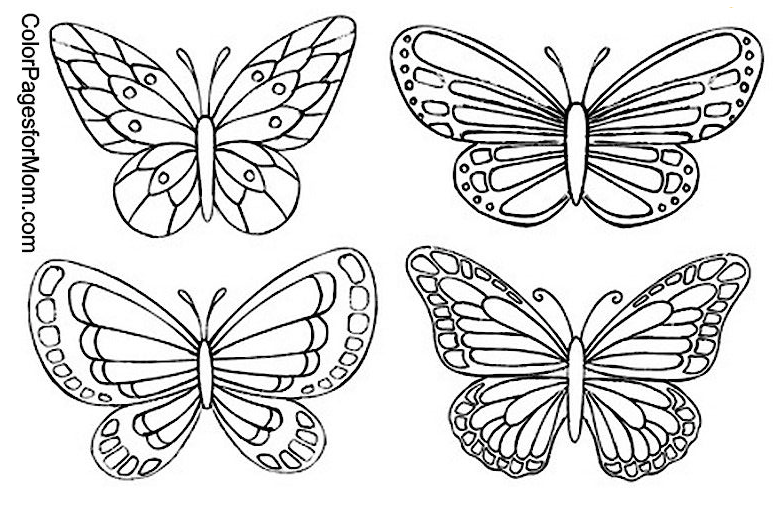
Have the children decorate the wings of the butterfly in any way they choose.

Creative Arts/Art; gains ability in using different art media and materials in a variety of ways for creative expression and representation.

Ask the children to help draw some of the farm animals and hang on the wall near a barn.

Creative Arts/Art; progresses in abilities to create drawings, paintings, models, and other art creations that are more detailed, creative, and realistic.

Library and Writing

Put out the animal pictures and encourage the children to copy the animal names with magnets or pencils.

Literacy/Early Writing; progresses from scribbles, shapes, or pictures to represent ideas, to using letter-like symbols, to copying or writing familiar words such as their own name.

Sand and Water

In the story the pigs were enjoying the mud. Add dirt and water to the table or try making clean mud with the children. (Children rip the toilet paper off into squares, and grate the bar of soap. Add water a little bit at a time until you have a nice consistency for squishing and making balls with)

Science/Scientific Knowledge; shows increased awareness and beginning understanding of changes in materials and cause-effect relationships.

Math and Manipulatives

Cut out the animals without legs and cover with contact paper. The children use clip clothespins to add the correct number of legs to each animal.

Mathematics/Number & Operations; demonstrates increasing interest and awareness of numbers and counting as a means for solving problems and determining quantity.

Outdoor Play

Take the children’s butterfly wings, straws, and tape outside to make simple butterfly kites with the children. Let them pretend that they are running away from the goose. Can they recall some of the animals in the story? The children can pretend to be these animals also as the butterfly runs by.

Literacy/Book Knowledge & Appreciation; demonstrates progress in ability to retell and dictate stories from books and experiences; to act out stories in dramatic play; and to predict what will happen next in a story.

Transitions

Put all the animal pictures in a basket and have the children take turns picking one. They must then make that animals voice as they move onto the next activity.

Language Development/Speaking & Understanding; develops increasing abilities to understand and use language to communicate information, experiences, ideas, feelings, opinions, needs, questions; and for other varied purposes.

Resources
enlarge for art and butterfly kite
cow
rooster
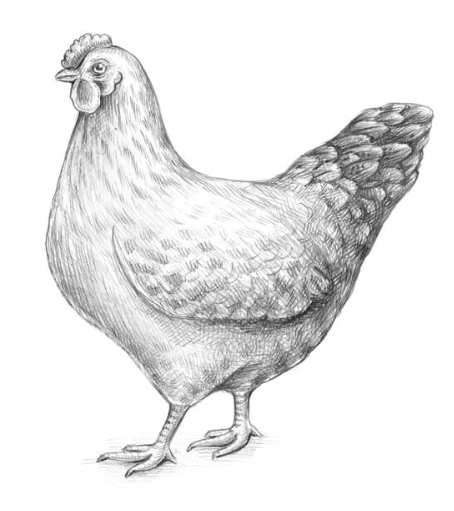
chicken
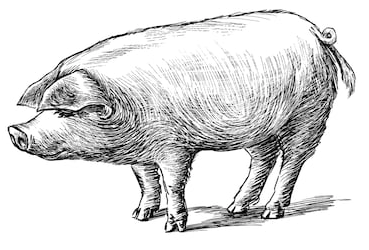
pig
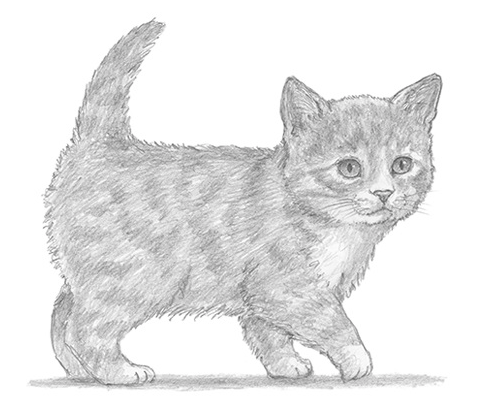
kitten
pigeon
mouse
peacock
donkey
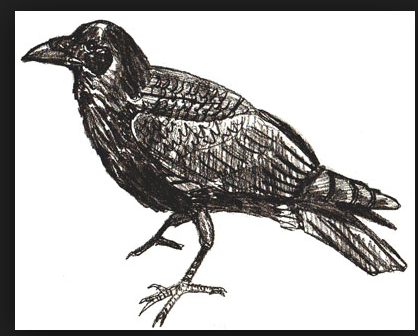
crow
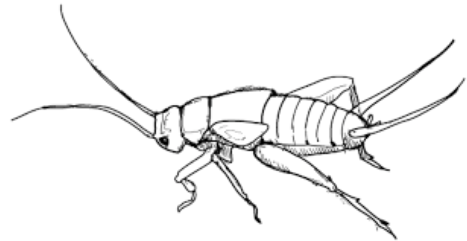
cricket
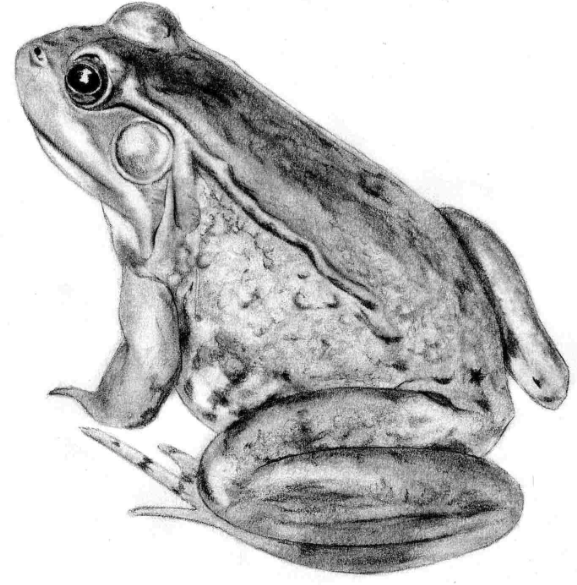
frog
goose
butterfly