The Line Up Book, by Marisabina Russo

Sam is busy lining things up. This story can be used to teach line order as well as categories of objects.

Materials

  • Pictures of items found in different rooms of house.
  • 3 Skeins of yarn
  • Roll of masking tape
  • Clothes pins that clip shut and yarn for clothes line
  • Several rulers

Vocabulary

  • Line

Before Reading the Story

Open up the cover of the book so that the children can see the line of objects that Sam has made. Ask them to name what is in the front of the line (the duck), what is at the end of the line? Continue asking what is beside the turtle, behind the boot, in front of the cement truck?

Mathematics/Number & Operations; begins to associate number concepts, vocabulary, quantities, and written numerals in meaningful ways.

Reading the Story

On the page where Sam begins lining up books, ask the children what they think Sam is doing? On the page where Sam is in the living room and needs one more thing, ask the children if they can guess what he might use to finish his line?

Literacy/Book Knowledge & Appreciation; demonstrates abilities to retell and dictate stories from books and experience; to act out stories in dramatic play; and to predict what will happen next in a story.

After Reading the Story

Ask the children if they can remember the first thing Sam used to make his line? What did he used second? Third? Fourth? Fifth? Last?

Literacy/Book Knowledge & Appreciation; demonstrates abilities to retell and dictate stories from books and experience; to act out stories in dramatic play; and to predict what will happen next in a story.

Discovery

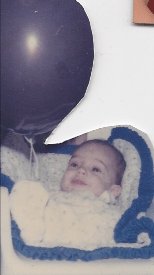
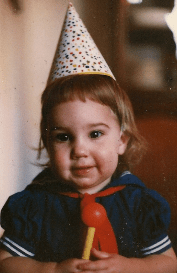
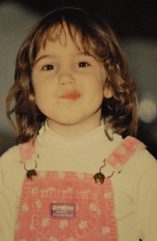
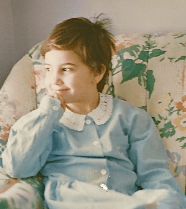
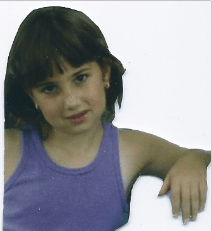
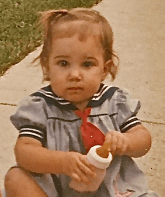
Put out the timeline pictures of the little girl. Can the children put them in correct order? Let them talk about things they thought they could do when they were the age of the girl in the picture.

Mathematics/Patterns & Measurement; shows increasing abilities to sort, put in a series, and regroup objects according to one or two attributes such as shape or size. AND Science/Scientific Knowledge; develops growing awareness of ideas and language related to attributes of time and temperature.

Music and Movement

Make lines on the floor using masking tape. The children can begin at one end of a line and walk backwards, jump, tip toe, etc. to the other end.

Physical Health & Development/Gross Motor Skills; shows increasing levels of proficiency, control, and balance in walking, climbing, running, jumping, hopping, skipping, marching, and galloping.

On pieces of paper write numbers one through however many children are in your class. Put the numbers in a line. Ask a child to go stand on number 1, ask the the next child to go stand on number 2, through all the numbers. Mix up the order you call the children so that they get practice standing on all the numbers over time.

Mathematics/Number & Operations; begins to associate number concepts, vocabulary, quantities, and written numerals in meaningful ways. AND Mathematics/Number & Operations; develops increasing ability to count to 10 and beyond.

Teach the children the Peanut Butter & Jelly Song. Make up actions to go along with the words. https://www.youtube.com/watch?v=L39J7jCoVKY

Creative Arts/Music; participates with increasing interest and enjoyment in a variety of music activities, including listening, singing, finger plays, games, abd performances.

Blocks

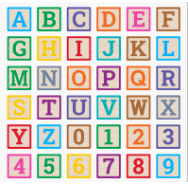
Put out the wood alphabet blocks today and a poster showing each of the letters. The children then match the block to the appropriate square on the poster. How many letters can they name?

Literacy/Alphabet Knowledge; shows progress in associating the names of letters with their shapes and sounds.

Art

Use the line card and cut into individual strips for the children to use for cutting practice. http://www.attentionworksheets.com/wp-content/uploads/2013/03/IMAGES-Scissor-Skills-Worksheets-COLLECTION-1.pdf

Physical Health & Development/Fine Motor Skills; grows in hand-eye coordination in building with blocks, putting together puzzles, reproducing shapes and patterns, stringing beads, and using scissors.

Put out several rulers and colored pencils. SHow the children how to hold the ruler on the paper to make a straight line. Encourage them to fill the paper with many straight lines.

Physical Health & Development/Fine Motor Skills; progresses in abilities to use writing, drawing, and art tools, including pencils, markers, chalk, paint brushes, and various types of technology.

Library and Writing

Use the line card and let the children follow along with markers or pencils.

Physical Health & Development/Fine Motor Skills; progresses in abilities to use writing, drawing, and art tools, including pencils, markers, chalk, paint brushes, and various types of technology.

Sand and Water

Damp sand and things that the children can use to draw and make lines in the sand (unsharpened pencil, plastic fork, pizza cutter, play dough cutters, etc. As they play, ask them if they can make a straight line, a curved line, a zig-zag line, and a loopy line. Can they write the letters of their name in the damp sand?

Language Development/Listening & Understanding; understands an increasingly complex and varied vocabulary. AND Literacy/Early Writing; experiments with a growing variety of writing tools and materials, such as pencils, crayons, and computers. AND Literacy/Early Writing; progresses from using scribbles, shapes, or pictures to represent ideas, to using letter-like symbols, to copying or writing familiar words such as their own name.

Dramatic Play

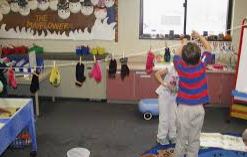
Add a clothes line to the center today using yarn and clothes pins that clip. If it is winter add mittens for the children to clip[ on the line. Otherwise have the children clip on doll clothes.

Physical Health & Development/Fine Motor Skills; develops strength, dexterity, and control needed to use tools such as scissors, paper punch, stapler, and hammer.

Math and Manipulatives

Have the children name and sort pictures from different rooms in the house.

Approaches to Learning/Reasoning & Problem Solving; develops increasing abilities to classify, compare and contrast objects, events, and experiences.

Outdoor Play

Make an obstacle course for the children to follow. Use the skein of yarn to go under, over, and around objects on the playground. Explain to the children that they are to follow the yarn to know where to go next.

Language Development/Listening & Understanding; shows progress in understanding and following simple and multiple-step directions.

Transitions

As you line up to go to outside or to the bathroom tell the children that ___ is first and then ___ can be second. Have all the children count the children as they line up.

Mathematics/Number & Operations; develops increasing ability to count to 10 and beyond. AND Mathematics/Number & Operations; begins to associate number concepts, vocabulary, quantities, and written numerals in meaningful ways.

Resources
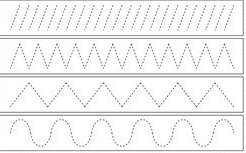
Use for cutting and markers
use for matching alphabet blocks
Use the pictures of the girl to put in chronological order.

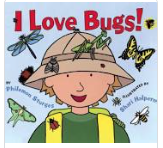
I Love Bugs! by Philemon Sturges

This very simple story introduces children to a variety of bugs and vocabulary to help describe them.

Materials

Vocabulary

  • Camouflage (to blend into the environment so you or an animal is difficult to find or see)
  • Insect (having 6 legs and three body parts and many have wings)
  • Habitat (where a bug or animal lives in nature)

Before Reading the Story

Put your large ladybug picture on the wall of your circle time where everyone can see. Let the children take a turn rolling the dice and then adding that many circle stickers to the ladybug. As a child puts the stickers on the ladybug, the other children can count along. Play a second round if the children are interested.

Mathematics/Number & Operations; begins to make one-to-one correspondence in counting objects and matching groups of objects.

Reading the Story

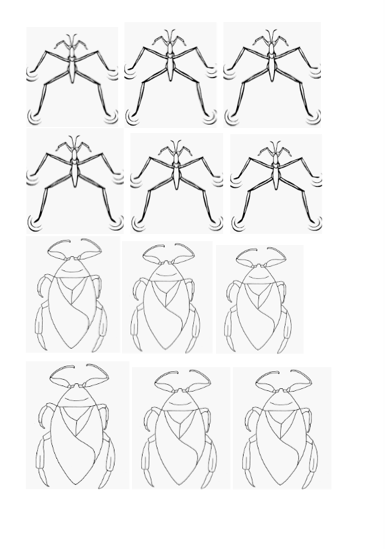
Read the title and then open the front cover. Ask the children of they can name any of the bugs on the page. Do the same with the back cover page. Then reintroduce the story and see if the children can name the bugs as you read, if not you name for them. (These bugs paddle, remember these are called water beetles because they can race across the water. This one’s like a twig, this is a hard one. It’s called a praying mantis. They sit on leaves and you can hardly see them because they blend in).

Language Development/Speaking & Communicating;uses an increasingly complex and varied vocabulary.

After Reading the Story

Ask the children ,where do bugs live? Do you have a bug that you really like, dislike? Talk to the children about bug safety. Some bugs are gentle like ladybugs and some bite when they are scared (spider, beetles). he praying mantis even spits! Explain to the children that bugs are for looking at but not for hurting. Bugs are important to our environment (some help compost garbage and waste. Some eat mosquitoes that are also a bug but an annoying one. Caterpillars will turn into butterflies or moths in time. Let the children share any information they have about bugs.

Language Development/Speaking & Communicating; develops increasing abilities to understand and use language to communicate information, experiences, ideas, feelings, opinions, needs, questions; and for other varied purposes. AND Physical Health & Development/Health Status & Practices; builds awareness and ability to follow basic health and safety rules such as fire safety, traffic and pedestrian safety, and responding appropriately to potentially harmful, objects, substances, and activities.

Discovery

Bring a bug habitat into the classroom. Give the children magnifying glasses so that they can closely observe the insects/bugs in a more natural environment. Talk about special features that your ibug may have (How many legs do you see? Do you know what those funny things are called on the top of it’s head-antenna, Do you see how the wings lay flat on the back? Note; do not keep insects in a container for extended periods of time unless you understand it’s eating and surviving necessities.

Science/Scientific Skills & Methods; begins to use senses and a variety of tools and simple measuring devices to gather information, investigate materials, and observe processes and relationships.

Make copies of the front and back inside of the book and also the real insects from resources. Have the children match the picture of the insect/bug to the real insect/bug. Talk about the pictures, how are they alike, ow are the different?

Mathematics/Patterns & Measurement; shows increasing abilities to match, sort, put in series, and regroup pictures according to one or two attributes such as shape or size. AND Science/Science Knowledge; expands knowledge of and abilities to observe, describe, and discuss the natural world, materials, living things, and natural processes.

Music and Movement

Here is the Beehive poem

Here is the beehive (make fist with hand)

But where are the bees? (shrug shoulders)

Flying around where no one see?

Oh wait, I can hear them now (hold cupped hand to ear)

They are in their hive (make fist again)

Here they come 1, 2, 3, 4, 5 (hold up fingers as you count)

Mathematics/Number & Operations; develops increasing ability to count to 10 and beyond. AND Creative Arts/Music; participates with increasing interest and enjoyment in a variety of music activities, including listening, singing, finger plays, games, and performances.

Put on a version of Flight of the Bumblebees and have the children dance and move to the music. https://www.youtube.com/watch?v=aYAJopwEYv8

Creative Arts/Movement; expresses through movement and dancing what is felt and heard in various musical tempos and styles.

Play the song, The Ants Go Marching and have the children march along. https://www.youtube.com/watch?v=Pjw2A3QU8Qg

Creative Arts/Movement; expresses through movement and dancing what is felt and heard in various musical tempos and styles.

Blocks

Add plastic insects/bugs along with some easter grass/real grass, sticks, and several rocks. Encourage the children to build a habitat for their bugs.

Language Development/Listening & Understanding; understands an increasingly and complex vocabulary.

Art

Making insects. Put out play dough and pieces of pipe cleaners. The children cn roll the playdough into balls and attach legs. Are they able to count out six legs? Encourage them to try rolling their playdough into a long hotdog shape and adding legs.

Mathematics/Number & Operations; begins to make use of one-to-one correspondence in counting objects and matching groups of objects.

Library and Writing

Add any insect non-fiction books that you have. Let the children see real pictures of bugs and insects.

Literacy/Book Knowledge & Appreciation; shows growing interest in reading-related activities, such as asking to have a favorite story read; choosing to look at books; drawing pictures based on stories; asking to take books home; going to the library; and engaging in pretend-reading with other children.

Sand and Water

Water in the table today. Make a sheet of the water insects in several colors. Cut around them roughly and add to the water table today.

Creative Arts/Dramatic Play; shows growing creativity and imagination in using materials and in assuming different roles in dramatic play situations.

Dramatic Play

Math and Manipulatives

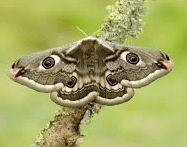
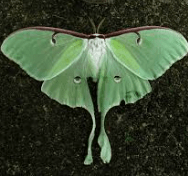
If you have rubber insects at your center, use these for pattern play. Or make several copies of 5 insects from resources and use these to make patterns with the children. (ant, luna moth, ant, luna moth, which comes next? Spider, bee, bee, spider, bee, bee, which comes next?

Mathematics/Patterns & Measurement; enhances abilities to recognize, duplicate, and extend simple patterns suing a variety of materials.

Outdoor Play

Look for bugs and insects on your playground. You can help encourage them to come by laying a piece of cardboard box down several days before hand. Or putting out food in areas where you have seen ant trails.

Science/Scientific Skills & Methods; begins to participate in simple investigations to test observations, discuss and draw conclusions, and form generalizations.

Transitions

Hold the front cover page of the book open and ask a child to name one of the bugs on the page. After they name, have them fly, jump, or crawl to the next activity by following the bugs example.

Language Development/Speaking & Communicating; uses an increasingly complex and varied vocabulary.

Resources
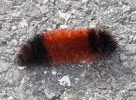
wooly bear
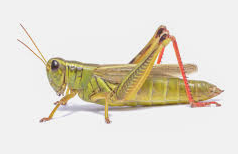
grasshopper
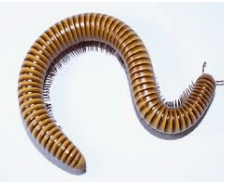
millipede
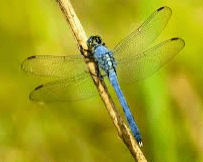
dragonfly
beetle
spider
waterbug
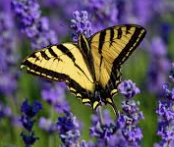
butterfly
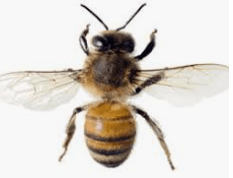
bee
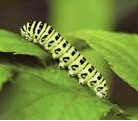
caterpillar
ant
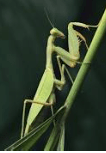
praying mantis
cicada
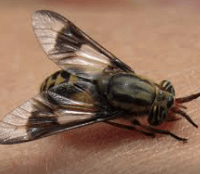
deerfly
moth
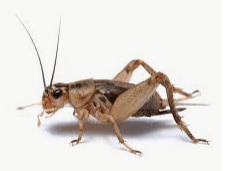
cricket
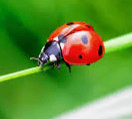
ladybug
luna moth
firefly
water table water bugs

The Cat in the Hat, by Dr. Seuss

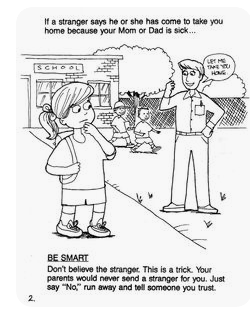
Classic Dr. Seuss full of rhymes and silliness. But really, this is a good book to use when you want to talk about letting someone into the house when your parents are not home.

Materials

Vocabulary

  • Safety (to be protected from danger)
  • Stranger (someone person or animal that you do not know or have not been introduced to)

Before Reading the Story

Tell the children that you want to talk to them about safety today. Ask them what they think being safe means? Explain that there are lots of things that are unsafe in the world. Allow the children to comment if they choose. Tell them that today you want to spend a moment talking about strangers. Do the children know what a stranger is? Explain that sometimes there are strangers who are not kind to children and so it is important that you do not go with them or let them fool you into getting into a car with them or eating food that they give you. If your parent or teacher says it is ok, then you may go. But if someone just walks or drives up to you say “No,no I won’t go”! Have the children practice saying this loudly. Tell them that today’s story is about a stranger that the children let into the house. Ask the children if they think this is a good idea, why/why not? Let’s read the story and find out what happens.

Physical Health & Development/Health Status & Practices; builds awareness and ability to follow basic health and safety rules such as fire safety, traffic and pedestrian safety, and responding appropriately to potentially harmful objects, substances, and activities.

Reading the Story

As you turn to page 1, ask the children if they can tell what kind of a day it is? On page 6, stop and ask the children if they should let a stranger into the house? What do you think might happen? On page 29 where the cat introduces the box, ask the children to guess what they think is inside? On page 61, ask the children what would you do? and allow them to respond.

Literacy/Book Knowledge & Appreciation;demonstrates progress in abilities to retell and dictate stories from books and experiences; to act out stories in dramatic play; and to predict what will happen next in a story.

After Reading the Story

Remind the children about stranger danger. Do not go with a stranger and do not let a stranger into your house unless your parent says it is ok.

Physical Health & Development/Health Status & Practices; builds awareness and ability to follow basic health and safety rules such as fire safety, traffic and pedestrian safety, and responding appropriately to potentially harmful objects, substances, and activities.

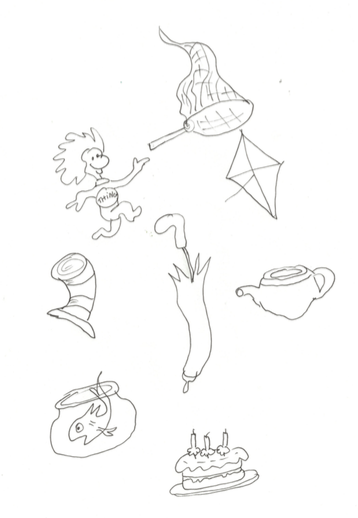
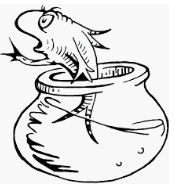
Make copy of the Cat in the Hat items and cut around each. Make a loop of masking tape to attach each to a board or wall where all the children can see. Cover the board and take away one object. Turn it back for the children to see and tell which object is missing.

Approaches to Learning/Reasoning & Problem Solving; grows in recognizing and solving problems through active exploration, including trial and error, and interactions and discussions with peers and adults.

If your children are capable of sitting for a few minutes more, play the video Stranger Danger for them. If not schedule it into another part of your day. https://www.youtube.com/watch?v=A55bwVVDQTU

Physical Health & Development/Health Status & Practices; builds awareness and ability to follow basic health and safety rules such as fire safety, traffic and pedestrian safety, and responding appropriately to potentially harmful objects, substances, and activities.

Discovery

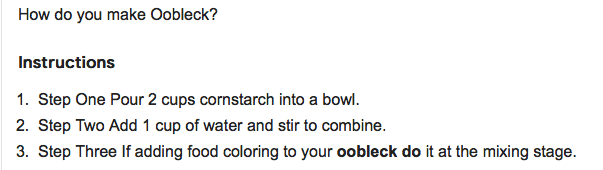
Make oobleck ahead of time and put it out with cookie sheet for the children to experiment with.

Science/Scientific Skills & Methods; begins to use senses and a variety of tools and simple measuring devices to gather information, investigate materials, and observe processes and relationships.

Music and Movement

Teach the children, The Cat Came Back https://www.youtube.com/watch?v=OE8gsYejpQc. Make up a simple verses and have the children help sing the chorus. There was a man who lived in Raleigh, the cat got out and the man said golly. But the cat came back…..

Sing What Are You Wearing? https://www.youtube.com/watch?v=C0Z8euLE5Fw Have the children follow the directions. Make one last verse about wearing stripes.

Language Development/Listening & Understanding; shows progress in understanding and following simple and multiple-step directions.

Sing Rhyming Words Sound the Same to Looby Loo

Rhyming words sound the same. Rhyming words sound the same. Rhyming words sound the same, Rhyming words sound the same. Hold up a rhyming words picture and see if the children can make a word that rhymes with it. (cat=hat, boy=toy, frog=log)

Literacy/Phonological Awareness; progresses in recognizing matching sounds and rhymes in familiar words, games, songs, stories, and poems.

Blocks

As the children play with the blocks today, encourage them to put the blocks away by like kinds. If you have not already done so, label your block shelves so the children learn to sort as they cleanup.

Mathematics/Geometry & Spatial Sense; begins to determine whether or not if two blocks are the same size and shape.

Art

Make simple kites and decorate. Depending upon the skill of your children, you might want to make some or all of the kites ahead of time. Let the children decorate the kite with stickers or markers. Remind the children what happened in the story when the things flew kites in the house. Tell the children that you will take the kites outside when you go to the playground.

Physical Health & Development/Fine Motor Skills; progresses in abilities to use writing , drawing, and art tools, including pencils, markers, chalk, paint brushes, and various forms of technology. AND Language Development/Listening & Understanding; shows progress in understanding and following simple and multiple=step directions.

Library and Writing

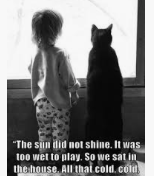
Make a copy of the picture showing “The sun did not shine”. Ask each child to tell you something they like to do on rainy or very cold wet days. Write their responses on a piece of paper and hang it on the wall under the picture. (I watch tv, My cat sleeps with me, My brother and me made a tent).

Literacy/Early Writing; begins to represent stories and experiences through pictures, dictation, and in play.

Sand and Water

Fill the table with puff balls. Explain to the children that you are going to have a puff ball race. When the timer begins they will use the tongs to pick up puff balls and put them in a basket. When the timer stops they will count how many puff balls they were able to pick up in the alloted time. Set the time for one-minute.

Mathematics/Number & Operations; begins to use one-to-one correspondence in counting objects and matching groups of objects.

Dramatic Play

Remind the children that in the story, the cat picked up all his playthings. Encourage the children to really clean and organize the center today. Give them damp paper towels to wipe down the shelves and challenge them to put all the toys away where they belong. As they work, keep an eye out for broken or ripped items that should be thrown away.

Social & Emotional Development/Knowledge of Families & Communities; develops growing awareness of jobs and what is required to perform them. AND Approaches to Learning; Engagement & Persistence; shows growing capacity to maintain concentration over time on a task, question, set of directions or interactions, despite distractions and interruptions.

Math and Manipulatives

Tell the children that the cat’s hat had stripes on it. Cut out many strips of construction paper for the children to make and copy patterns with.

Mathematics/Patterns & Measurement; enhances abilities to recognize, duplicate, and extend simple patterns using a variety of materials.

Set out a balance scale and one-inch cubes. Challenge the children to put a item into one side of the scale and then add one-inch cubes to the other until they are balanced. How many one inch cubes equal a toy car, a wooden rectangle block, a paintbrush, etc.

Mathematics/Patterns & Measurement; shows progress in using standard and non-standard measures for length and area.

Outdoor Play

In the story the cat balanced on the ball. Encourage the children to practice their own balance. Can the walk on a balance beam or the edge of the sandbox? Can they stand and hop on one foot? Can they walk on clomper stompers without falling off?

Physical Health & Development/Gross Motor Skills;shows increasing levels of proficiency, control, and balance in walking, climbing, running, jumping, hopping, skipping, marching, and galloping.

Bring your art kites outside for the children to run with.

Physical Health & Development/Gross Motor Skills;shows increasing levels of proficiency, control, and balance in walking, climbing, running, jumping, hopping, skipping, marching, and galloping.

Transitions

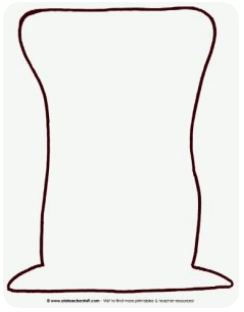
Make 5 copies of the hat to color. On each one make the colors of the stripes white and ________(one red, one blue, one green, etc. of colors that you are working on. Put the hats in the center of the circle and have a child hide their eyes. Put the cat under one of the hats so that it is hidden. The child must guess which hat the cat is under by naming the color of the stripes. You can also write letters of the alphabet on the hats, numbers, or shapes depending upon which concept you are working on.

Social & Emotional Development/Cooperation;develops increasing abilities to give and take in interactions; to take turns in games and using materials; and to interact without being overly submissive or directive.

Resources

stripe ideas for pattern play
objects for What’s Missing? game
Use one of these pictures to start ideas for library and writing
Use these for transition game