Better Not Get Wet Jesse Bear, by Nancy White Carlstrom

Jesse Bear wants to get wet.  But where can he find the best place to play in the water?  Jesse searches the house for sources of water.

Materials

  • Several sponges, Bucket of water, Piece of chalk
  • Eye droppers,food coloring, white coffee filters
  • Blocks of ice, freeze in Tupperware of various sizes and shapes
  • Beach props; towels, sunscreen, sunglasses, floppy hat

Vocabulary

Before Reading the Story

            Begin a discussion about summer and how to stay cool. Ask the children if they can think of ways that they stay cool and write their responses (I wear shorts, I eat popsicles, I play in the sprinkler).  Talk to the children about how it is unsafe to play in or near water without a parent present.  Introduce the book and explain to the children that Jesse Bear wants to play in the water but he knows he is not supposed to.  Do you think he will follow the rule?  Tell the children that they can help remind Jesse Bear by saying; “You better not get wet Jesse Bear”!  Have them practice several times and then while you read the story they can help remind Jesse Bear

Physical Health & Development/Health Status & Practices; builds awareness and ability to follow basic health and safety rules such as fire safety, traffic and pedestrian safety, and responding appropriately to harmful objects, substances, and activities.

Reading the Story 

Make sure to read the book rhythmically so the children can hear it as a poem.  Cue them when it is their turn to remind Jesse Bear, to better not get wet. 

Literacy/Book Knowledge & Appreciation; shows growing interest and involvement in listening to and discussing  a variety of fiction and non-fiction and poetry. 

When reading the story and a color is named, put the color up on a flannel board for the children to see.  For children who have experience with colors, let the children put the colors up on the flannel board.

Language Development/Listening & Understanding; understands an increasingly complex and varied vocabulary. AND Social & Emotional Development/Cooperation; develops increasing abilities to give and take in interactions; to take turns in games and using materials; and to interact without being overly submissive or directive.

After Reading the Story

Jesse Bear had to follow rules about not getting wet. Talk to the children about school rules. What are some of the school rules? Why do you think we have school rules? What might happen if people did not follow school rules? 

Physical Health & Development/Health Status & Practices; builds awareness and ability to follow basic health and safety rules such as fire safety, traffic and pedestrian safety, and responding appropriately to harmful objects, substances, and activities.  AND Social & Emotional Development/Self-Control; develops growing understanding of how their actions affect others and begins to accept the consequences of their actions.

Discovery

Put out ice blocks in waterproof containers. Put one ice block outside in a sunny spot, one outside in a shady spot, and one inside. Have the children observe the ice. What happens to it as it starts to melt? Which one melts fastest?  What does ice turn into?

Science/Science Knowledge; develops growing awareness of ideas and language related to attributes of time and temperature.

Music and Movement

Act out Swimming as you sing or chant. https://www.youtube.com/watch?v=gWaclnjjEtE

Swimming, swimming in the swimming hole
Days are hot and days are cold in the swimming hole
Breaststroke,sidestroke, fancy diving too
Don’t you wish you had nothing else to do?

Creative Arts/Music; participates with increasing interest and enjoyment in a variety of music activities, including listening, singing, finger plays, games, and performances.

Blocks

Build a swimming pool.  Challenge the children to build a pool in the shape of a circle, a triangle, a square, and a rectangle. 

Mathematics/ Geometry & Spatial Sense; progresses in ability to put together and take apart shapes.

Art

Give the children cups or ice cube trays filled with water and food coloring.  Give each child an eyedropper and show him how to suck the water and then drop it onto a white paper towel or a white coffee filter.  Watch the colors bleed/spread out. 

Physical Health & Development/Fine Motor Skills; develops growing strength, dexterity, and control needed to use tools such as scissors, paper punch, stapler. and hammer. 

Library and Writing

Ask the children to draw a picture of one of the activities that Jesse Bear was doing in the story.  Write their dictation/response to their illustration on the bottom of the picture.  These can later be put into a classbook. 

Literacy/Book Knowledge & Skills;demonstrates progress in abilities to retell and dictate stories from books and experiences; to  act out stories in dramatic play; and to predict what will happen next in a story.  AND Literacy/Early Writing; begins to represent stories and experiences through pictures, dictation, and in play.

Sand and Water

Fill the table with water today and put out objects that float and objects that sink.  As the children experiment with the objects that float or sink, repeat the following poem.

Splish, splash, splish, splash
Put in the pool for me
Something that you think can float/hold water/sink
Before I count to three.
1-2-3

Science/Scientific Skills & Knowledge; develops increased abilities to observe and discuss common properties, differences and comparisons among objects.  AND Science/Scientific Skills and Methods; begins to use senses and a variety of tools and simple measuring devices to gather information, investigate materials, and observe processes and relationships.

Dramatic Play

Bring in beach props; towels, empty suntan lotion bottle, sunglasses, radio. 

Creative Arts/Dramatic PLay; participates in a variety of dramatic play activities that become more extended and complex.  AND Approaches to Learning/Initiative & Curiosity; approaches tasks and activities  with increased flexibility, imagination, and inventiveness.

Math and Manipulatives

Ask the children to recall the animals in the story and to count how many there were. 

Mathematics/Numbers & Operations; demonstrates increasing interest and awareness if numbers and counting as a means for solving problems and determining quantity.  

Outdoor Play

Tell the children that today you are going to play a game called Splat.  Draw a circle, a triangle, a square, and a rectangle on the sidewalk with chalk. Make them fairly large.  Now make a line about 6 feet away.  Show the children how to dip the sponge into a bucket of water and then take it out and throw it onto a shape.  If necessary, move the line back.  You can also call out the shape that you want them to throw the sponge into.  Or you can toss sponges into the water table. 

Physical Health & Development/Gross Motor Skills; demonstrates increasing abilities to coordinate movements in throwing, catching, kicking, bouncing balls, and using the slide and swing.

Transitions

Have the children name a school rule or tell you about a rule from home. (We walk inside, Friends are for helping and not for hurting, I can’t go in the street by my house, I have to eat my vegetables or my Mom gets mad at me). 

Physical Health & Development/Health Status & Practices; builds awareness and ability to follow basic health and safety rules such as fire safety, traffic and pedestrian safety, and responding appropriately to harmful objects, substances, and activities. 

Dear Parent-

A child can drown in as little as 3-inches of water.  Please make sure to take time to talk to your child about water and pool safety.  Let them know that they may never play in  water without an adult present. 

Hello Farm Animals, by Eileen Curran


            The rooster crows and the day on a farm begins.  Each page introduces a farm animal.  See where all the animals spend their days on the farm.

Materials

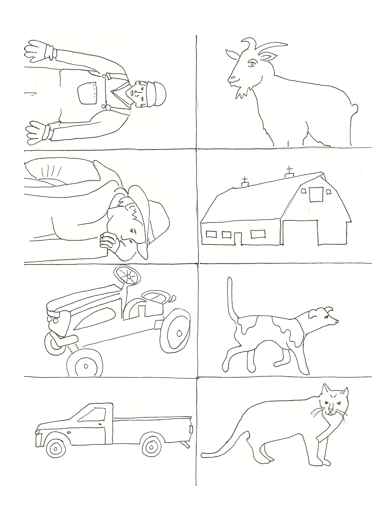
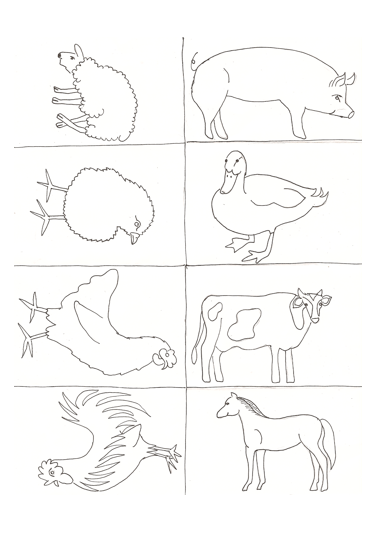
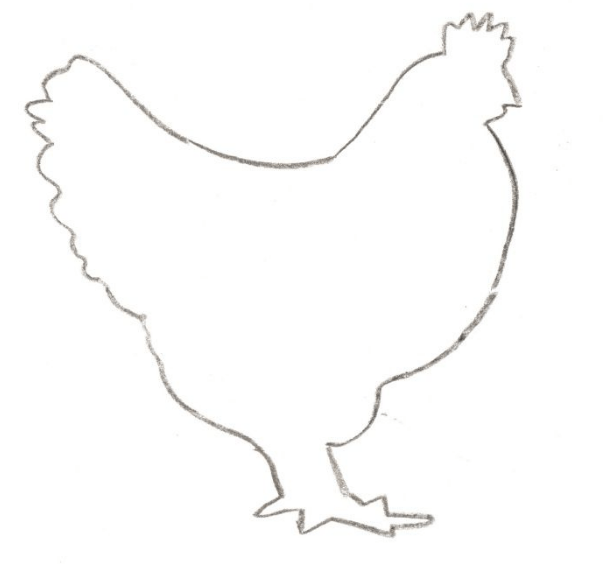
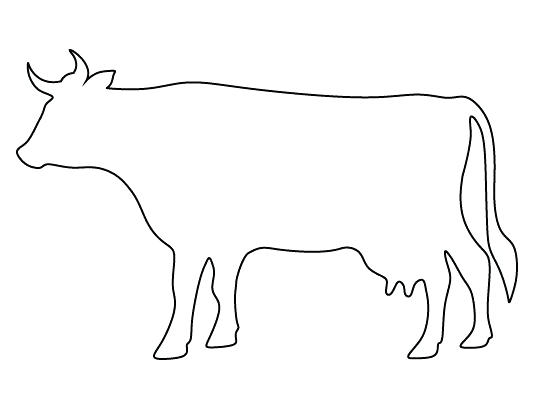
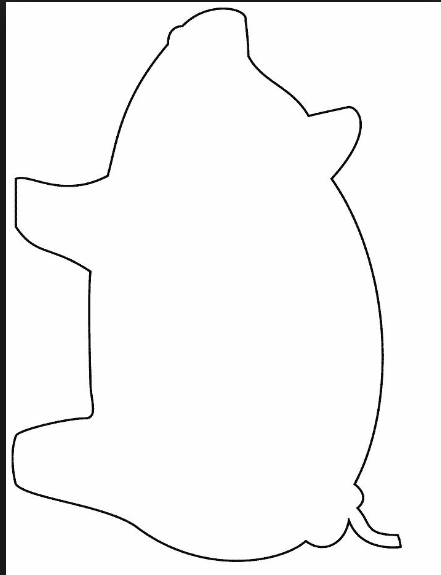
  • Farm animal pictures (horse, rooster, cow, dog, duck, pig, hen, chick, sheep, goat, farmer, helper son)
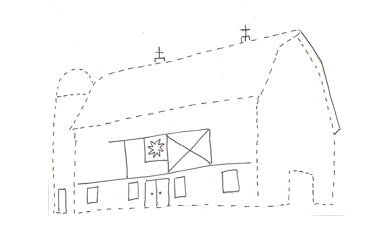
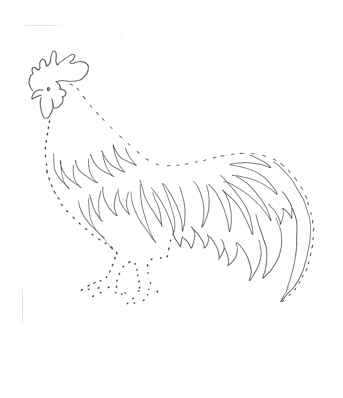
  • Barn and rooster with dotted lines to follow
  • Waxed paper
  • Glue bottles with colored glue

Vocabulary

Before Reading the Story

            Ask the children to share with you any knowledge they might have about farms.  Write their responses onto a large piece of paper.  If they are unsure how to discuss, lead them by asking questions about what would you find on a farm.  Do all farms have animals?  Where do the animals sleep at night?  What do you think the animals eat? 

Science/Scientific Knowledge; expands knowledge of and abilities to observe, describe, and discuss the natural world, materials, living things, and natural processes.

Reading the Story

            Take a moment on each page and let the children describe what is going on. 

Language Development/Speaking & Communicating; develops increasing abilities to understand and use language to communicate information, experiences, ideas, feelings, opinions, needs, questions, and for other varied purposes.

After reading the Story

Ask the children questions about the animals in the book. Turn to a page and ask the children to describe what is happening.

Literacy/Book Knowledge & Appreciation; shows growing interest and involvement in listening to and discussing a variety of fiction and non-fiction books, and poetry.

Discovery

            Hang a variety of farm scenes up in the center for the children to look at and compare kinds of farms and the animals on the farm.

Science/Scientific Methods & Skills; begins increased ability to observe and discuss common properties, differences and comparisons among objects and materials.

Music and Movement

            Color the farm animal pictures so that they go along with the song.  Cover them with contact paper and put a small piece of Velcro on it if you would like to use it as a flannel.  Sing the Farm Animal song and have the children follow the directions. Sung to Do You Know The Muffin Manhttps://www.youtube.com/watch?v=fXFg5QsTcLQ

Do you have the big red rooster, the big red rooster, the big red rooster.

If you have the big red rooster put it on the board/please stand up.

Do you have the gray horse, the gray horse, the gray horse.

If you have the gray horse, put it on the board/please stand up

Do you have the spotted cow, big white duck, the pink pig, the white rooster, the yellow chick, the black sheep, the brown goat, blue farmer, red helper son

Language Development/Listening & Understanding; shows progress in understanding and following simple and multi-step directions.

Blocks;

            Put out your farm animals in the center. Encourage the children to build farm buildings and fences.

Approaches to Learning/Engagement & Persistence; grows in abilities to persist in and complete a variety of tasks, activities, projects, and experiences. AND Physical Health & Development/Fine Motor Skills; grows in hand-eye coordination in building with blocks, putting together puzzles, reproducing shapes and patterns, stringing beads, and using scissors.

Art

    Make colored glue by adding food coloring or paint to your glue bottles. Lay an animal shape on the table with a piece of waxed paper on top. The child then gently squeezes the glue so that it dribbles out following the lines of the animal shape. Lay flat till completely dry and then carefully peel off the waxed paper.

Creative Arts/Art; gains ability in using different art media and materials in a variety of ways for creative expression and representation.

Library and Writing

            Make a copy of the barn and the rooster.  Cover them with contact paper.  Let the children use washable markers to trace over the dot to dot lines.  They can then wash the lines with a damp towel for the next child to do. Or make individual copies for each child.

Literacy/Early Writing; experiments with a growing variety of writing tools and materials, such as pencils, crayons, and computer.

Sand and Water

            Put dirt in the water table and let the children slowly add water one measuring cup at a time to make piggy mud.

Science/Scientific Methods & Skills; begins to use senses and a variety of tools and simple measuring devices to gather information, investigate materials, and observe processes and relationships.

Dramatic Play

            Bring stuffed farm animals into the center and let the children pretend to feed the animals. 

Social & Emotional Development/Knowledge of Families & Communities; develops growing awareness of jobs and what is required to perform them.

Math and Manipulatives

Make 5 copies of the farm/animal pages and cut them out individually. Make simple patterns using the farm pictures for the children to copy (pig, pig, cow-tractor,fame, barn)

Mathematics/Patterns & Measurement; enhances abilities to recognize, duplicate, and extend simple patterns using a variety of materials.

Outdoor Play

            If you have large plastic farm animals, bring them outside for the children to use in the dirt or in the sand box.

Literacy/Book Knowledge & Appreciation; demonstrates progress in abilities to retell and dictate stories from books or experiences,; to act out stories in dramatic play; and to predict what will happen next in a story. AND Approaches to Learning/initiative & Curiosity; chooses to participate in an increasing variety of tasks and activities.

Transitions

            Go back through the animals and name the letter that they begin with.  Then have the children think of words that begin with the same letter sound (The cows are hungry.  Cows begin with the /c/ sound, what other words can you think of that begins with c?  Here are some chicks.  Chicks begins with the /ch/ sound.  What other words can you think of that begin with the ch sound?

Literacy/Phonological Awareness; shows growing awareness of beginning and ending sounds in words.

Resources

How Many Feet in the Bed?, by D. Johnston Hamm

This book offers a fun and different way of counting. It talks about morning rituals that will counterbalance all the books out there about night time rituals.

Materials

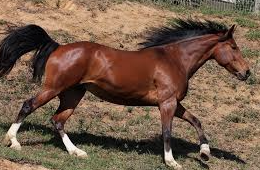
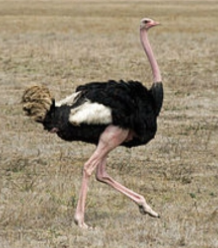
  • Pictures of animals and their feet.
  • Several sentence strips or long strips of paper with the numbers 0-10 written across.
  • A sentence strip for each child.

Vocabulary

  • Names of body parts. Include ones that the children might not know such as eye lashes, knuckles, thighs, ear lobes, etc..

Before Reading the Story

Ask the children to help name body parts that people have two of. Now ask the children if they can name body parts that you only have one of, ten of, many of (teeth, hairs, freckles)? Introduce the children and tell them that as you read the story, they will need to help you count the feet.

Mathematics/Number & Operations; begins to use one-to-one correspondence in counting objects and matching groups of objects. AND Language Development/Speaking & Communicating; uses an increasingly complex and varied vocabulary.

Reading the Story

While reading the story, touch the feet as you count them.

Mathematics/Number & Operations; begins to use one-to-one correspondence in counting objects and matching groups of objects.

After Reading the Story

Have all the girls stick their feet into the circle and ask, how many feet do you think there are? Count all the girl’s feet. Repeat with the boy’s feet. Which have more feet, girls or boys? Now count all the feet together, there are a lot of feet!

Mathematics/Number & Operations; Begins to use language to compare numbers of objects with terms such as more, less, greater that, fewer, equal to. AND Mathematics/Number & Operations; demonstrates increasing interest and awareness of numbers and counting as a means to solving problems and determining quantity.

Discovery

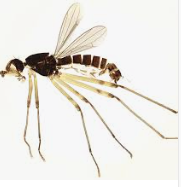
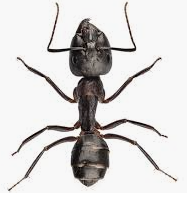
Bring in an insect that is common to your area. Put it into a container that the children can observe it through. How many feet does this insect have? Do you see it’s eyes? How does the creature move? (I have found that roly polies and crickets work well).

Science/Scientific Skills & Methods; develops increasing ability to observe and discuss common properties, differences, and comparisons among objects and materials.

Music and Movement

Teach the children Hap Palmer’s song, What a Miracle.https://www.youtube.com/watch?v=mFlVciz8aGs

Social & Emotional Development/Self-Concept; begins to develop and express awareness of self in terms of specific abilities, characteristics, and preferences

Teach the chant, Left Foot Right Foot.

Left foot, right foot I am cool

Left foot, right foot I learned at school.

Make sure you are standing facing the children when you do this. You will put out your opposite foot so the children will mimic using their correct foot. Continue doing, hand, knee. elbow, hip. etc..

Language Development/Listening & Understanding; demonstrates increasing ability to attend to and understand conversations, stories, songs, and poems.

Blocks

Ask the child if they can build a structure using only ten blocks. Then ask them if they can build a structure using only five blocks, etc.? Observe if they are able to build using the correct number of blocks.

Mathematics/Number & Operations; begins to use one-to-one correspondence in counting objects and matching groups of objects. AND Language Development/Listening & Understanding; shows progress in understanding and following swimple and multi-step directions.

Art

Help each child draw around their shoe onto a piece of paper. Challenge them to decorate their shoe from a looking down perspective. For younger children it is easier to trace around their hand and then decorate it (fingernails, rings, freckles, hairs).

Social & Emotional Development/Self-Concept; begins to develop and express awareness of self in terms of specific abilities, characteristics, and preferences. AND Science/Scientific Scientific Knowledge; expands knowledge of and respect for their bodies and the environment.

Sand and Water

Put large rubber animals in the table today with wet sand. Stamp out animal foot prints.

Approaches to Learning/Initiative a& Curiosity; chooses to participate in an increasing variety of tasks and activities.

Library and Writing

On a sentence strip make the numbers 0-10. Give the children each their own sentence strip and encourage them to copy the numbers onto it. They can then cut these out and glue them to a piece of paper.

Literacy/Early Writing; experiments with a variety of writing tools and materials, such as pencils, crayons, and computers. AND Approaches t Learning/Engagement & Persistence; grows in abilities to persist in and complete a variety of tasks , activities, projects, and experiences.

Dramatic Play

Put out many pairs of shoes today so the children will be aware of their feet as they play. If you have the supplies, you could set up a pretend shoe store. As the children try on the different shoes, help them be aware if the shoes are too big, too small, or just right for their feet.

Approaches to Learning/Reasoning & Problem Solving; grows in recognizing and solving problems through active exploration, including trial and error, and interactions and discussions with peers and adults.

Math and Manipulatives

On a piece of paper write the number 0. On another write the number 2, 4, and 6. Put the papers on the table and give the child the picture so animals. Have the child count the number of feet and put the picture on the correct piece of paper. Put the 1 paper on the left and the 6 paper on the right. After the children sort the animals, point to the piles and say,”more, more, and most”.

Mathematics/Number & Operations; demonstrates increasing interest and awareness of numbers and counting as a means of solving problems and determining quantity. AND begins to use language to compare numbers of objects with terms such as more, less, greater than, fewer, equal to.

Outdoor Play

Take off your shoes and socks today and let the children walk barefoot on a variety of surfaces (sand, wet sand, grass, cement, gravel). Talk about how each one feels and which one they like the best.

Science/Scientific Skills & Methods; begins to use senses and a variety of tools and simple measuring devices to gather informations, investigate materials, and observe processes and relationships.

Take off your shoes today and let the children paint with their feet. Use a long piece of bulletin board paper, have the children paint their feet with a paintbrush, and then hold the hand of a friend as they walk across the paper. Have either a hose or a pan of water they can wash their feet off with. Supply several towels for drying.

Creative Arts/Art; gains ability in using different art media and materials in a variety of ways for creative expression and representation.

Transitions

Ask several children stand together. Ask another child to count how many feet there are in the grouping. Ask different groups of children 1-5 come up and let the others count their feet.

Mathematics/Number & Operations; demonstrates increasing interest and awareness of numbers and counting as a means of solving problems and determining quantity.

Resources