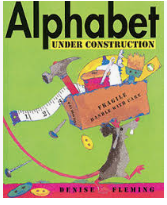
Alphabet Under Construction, by Denise Fleming

This colorful book shows Mouse building the letters of the Alphabet. With plenty of new words, there is lots of room for conversation as you read. It comes with an alphabet poster to boot!

Materials

  • Many small boxes, toilet tubes, pipe cleaners, and other building junk
  • Several rolls of masking tape
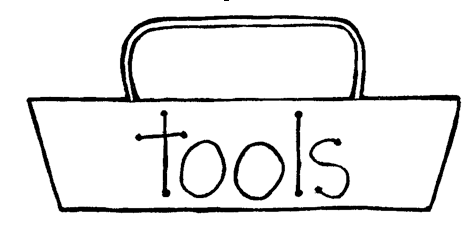
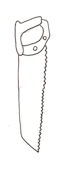
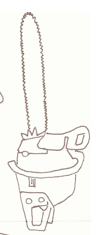
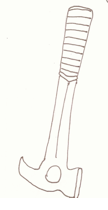
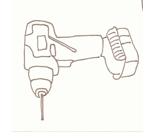
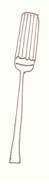
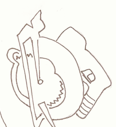
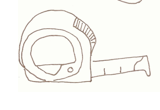
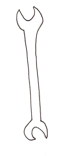
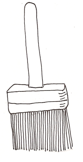
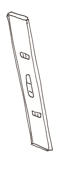
  • Tool pictures
  • An old small appliance (toaster, wall clock, radio, hair dryer) Plug cut off!
  • 10 paper plates

Vocabulary

Many unusual words look through the book ahead and make sure you can define words that you think your children might not know.

Before Reading the Story

Bring pretend or real tools to the rug. Ask the children to help you name the tools and what they are used for.

Social & Emotional Development/Knowledge of families & Community; develops growing awareness of jobs and what is required to perform them.

Reading the Story

As you read, draw your finger over the letter that Mouse is constructing. Take time to talk about each picture with the children as there are lots of unusual words. With the help of the children define what it is that Mouse is doing on each page.

Literacy/Alphabet Knowledge; shows progress in associating the names of letters with their shape and sound.  AND Language Development/Listening & Understanding; understands an increasingly complex and varied vocabulary.

After Reading the Story

Bring out your tools again and review what each is called and what it is used for.

Language Development/Speaking & Communicating; uses an increasingly complex and varied spoken language.

Discovery

Bring in an old small appliance that you have removed the plug from.  Let the children disassemble it using small screwdrivers, pliers, and wrenches. (Make sure you pay attention to the children’s play as there may be small parts).

Science/Scientific Skills & Methods; begins to use senses and a variety of tools and simple measuring devices to gather information, investigate materials, and observe processes and relationships.  AND Physical Health & development/Fine Motor Skills; grows in hand-eye coordination in building with blocks, putting together pules, reproducing patterns and shapes, stringing beads, and using scissors.

Music and Movement

Sing the Alphabet Song with the children.  Ideally have an alphabet chart with you that you can point to as you sing the name of each letter.

Literacy/Alphabet Knowledge; knows the letters of the alphabet are a special category of visual graphics that can be named individually.

On each of the 10 paper plates write a letter of the alphabet.  Scatter them about and have the children stand in a circle around the letters.  Let them take turns jumping from 1-5 letters as you call the letter name out.  Or call out the letter sound and have the child jump.

Literacy/Alphabet Knowledge; shows progress in associating the names of letters with their shapes and sounds.

Blocks

Add tools to the center along with a couple construction hats.

Social & Emotional Development/Knowledge of families & Community; develops growing awareness of jobs and what is required to perform them.

Art

Let the children experiment with 3 dimensional building. Put out the boxes and building junk you collected along with various lengths of masking tape. The children can tape the boxes together and add pipe cleaners, Popsicle sticks, etc. Take these outside and drop paint onto them.

Creative Arts/Art; develops growing abilities to plan, work independently, and demonstrate care and persistence in a variety of art projects.

Sand and Water

Tell the children that shovels are also a tool. What do you use a shovel for? Fill the table with sand and include shovels for digging holes.

Social & Emotional Development/Self-Control; demonstrates increasing capacity to follow rules and routines and use materials purposefully, safely, and respectfully.

Library and Writing

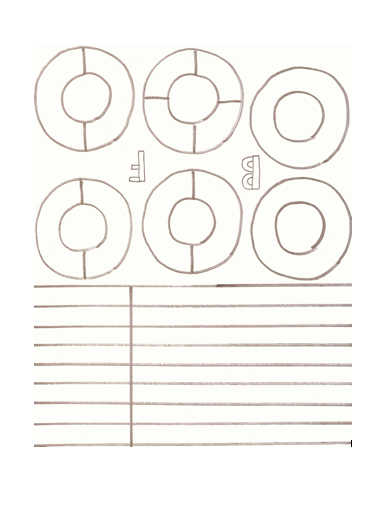
Use the lines and circles that you cut out and let the children try construction their own alphabet letters. Can you make a letter in your name? Can you make one like this? As they make the letters, observe who is able to name the letter/s.

Literacy/Alphabet Knowledge; shows progress in associating the names of letters with their shapes and sounds.  AND Mathematics/Geometry & Spatial Sense; progresses in ability to put together and take shapes apart.

Dramatic Play

If you have lots of play tools you can put some in here as well as the block center. If not, perhaps the children can pretend to call the plumber and a child from blocks can come make a repair or lend a tool.

Social & Emotional Development/Knowledge of families & Community; develops growing awareness of jobs and what is required to perform them.

Math and Manipulatives

Use the tools pictures and the small mouse. Hide the mouse under a tool while the child’s eyes are closed. The child must guess which tool the mouse is under.   Give the child clues as to where the mouse is hidden; “If I wanted to hammer a nail into the wood, which tool would I use, If I wanted to take apart that chair what tool would I use, If I wanted to make this block smaller which tool would I use”?

Language Development/Listening & Understanding; understands an increasingly complex and varied vocabulary.  AND Mathematics/Patterns & Measurement; begins to make comparisons between several objects based on a single attribute.  AND Approaches to Learning/Reasoning & Problem Solving; develops increasing abilities to classify, compare, and contrast objects, events, and experiences.

Outdoor Play

Take out plastic hammers or some half arch blocks from your block center. Gather a variety of leaves or flower heads and show the children how to put the leaf under a piece of light colored paper. The leaf needs to be sandwiched in between the paper and a hard surface like the sidewalk or a board. The child hammers the paper on top of the leaf. Pick up the paper and you will see a design made by the leaf. Try doing several different kinds of leaves or flowers.

Physical Health & Development/Fine Motor Skills; develops growing strength, dexterity, and control needed to use tools such as scissors, paper punch, stapler, and hammer.  

Transitions

Dismiss the children to the next activity by first letter in the children’s name.  Say (and write the letter), “If your name starts with the letter R you may go to the next activity.

Literacy/Alphabet Knowledge; increases in ability to notice the beginning letters in familiar words.

Dear Parent- today we read an alphabet book.  You can help your child learn the letters of the alphabet by working with him/her to recognize and name the letters that make his/her name.  Magnet alphabets on the refrigerator are a fun way for children to play and with letters.

Resources
Screen Shot 2018-09-16 at 7.52.52 PM
Screen Shot 2018-09-16 at 8.03.09 PM
Screen Shot 2018-09-16 at 7.55.12 PM
Screen Shot 2018-09-16 at 7.56.15 PM
Screen Shot 2018-09-16 at 7.54.48 PM
Screen Shot 2018-09-16 at 7.55.56 PM
Screen Shot 2018-09-16 at 7.53.31 PM
Screen Shot 2018-09-16 at 7.56.04 PM
Screen Shot 2018-09-16 at 7.54.31 PM
Screen Shot 2018-09-16 at 7.55.27 PM
Screen Shot 2018-09-16 at 7.56.40 PM
Screen Shot 2018-09-16 at 7.56.31 PM
Screen Shot 2018-09-16 at 7.56.22 PM

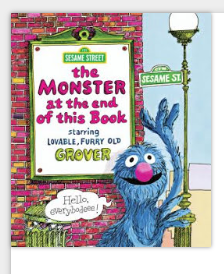
The Monster at the End of this Book, by Jon Stone

What did that say? There’s a monster at the end of the book? Poor Grover is SO scared! What will he do to keep from reaching the end of the book? Will it work? And what will become of Grover when he meets the monster?

 Materials

  • Front and back cards
  • Many Lengths of yarn about 12 inches long
  • Monster Head, one per child

 Vocabulary

  • Embarrassed-self conscious, uncomfortable with self

 Before Reading the Story

Go over all the parts of the book today. Do the children know which is the front of the book and the back of the book? The spline? Do they know were the cover page is? Introduce the story by author, illustrator and title.

Literacy/Book Knowledge & Appreciation; progresses in learning how to handle and care for books; knowing to view one page at a time in sequence from front to back; and understanding that a book has a title, author, and illustrator.

 Reading the Story

Open to the title page and use your finger to underline the title, The Monster at the End of this Book. Make sure to read Grover’s response to this page before turning the page. On the page where Grover builds a brick wall, stop and ask the children do they think that we will be able to turn the page?

Literacy/Book Knowledge & Appreciation; shows growing interest and involvement listening to and discussing a variety of fiction and non-fiction and poetry.

 After Reading the Story

Ask the children if they were afraid? Ask the children who was afraid (Gover)? Why? (there’s a monster at the end of the book) Why was Grover embarrassed? (He is a monster, the monster at the end of the book).

Language Development/Listening & Understanding; demonstrates increasing ability to attend to and understand conversations, stories, songs and poems.

 Discovery

Put out a hammer and nail type activity today. These can be home-made using a block of Styrofoam, golf tees, and half arch blocks or small hammers.

Physical Health & Development/Fine Motor Skills; develops growing strength, dexterity , and control needed to use tools such as scissors, paper punch, stapler, and hammer.

Music and Movement

 Use the front and back match cards to play a musical chairs type game.  Put a chair for each child into two lines that are back to back.  Give each child one half of a front and back set.  Tape the other side onto the back of a chair.  The children walk/march/jump around the chairs until the music stops and then they must find the other half of their set and sit on the chair.  Collect the halves the children are holding and repass them out.  Continue to play until the children grow tired.

Mathematics/Geometry & Spatial Sense; builds an increasing understanding of directionality, order, and positions of objects, and words such as up, down, over, under, top, bottom, inside,outside, in front, behind.

 Blocks

Remind the children that Grover built a heavy, thick, solid, strong brick wall. Encourage the children to build a wall with the blocks today?

Physical Health & Development/Fine Motor Skills; grows in eye-hand coordination in building with blocks, putting together puzzles, reproducing shapes and patterns, stringing beads, and using scissors.

 Art

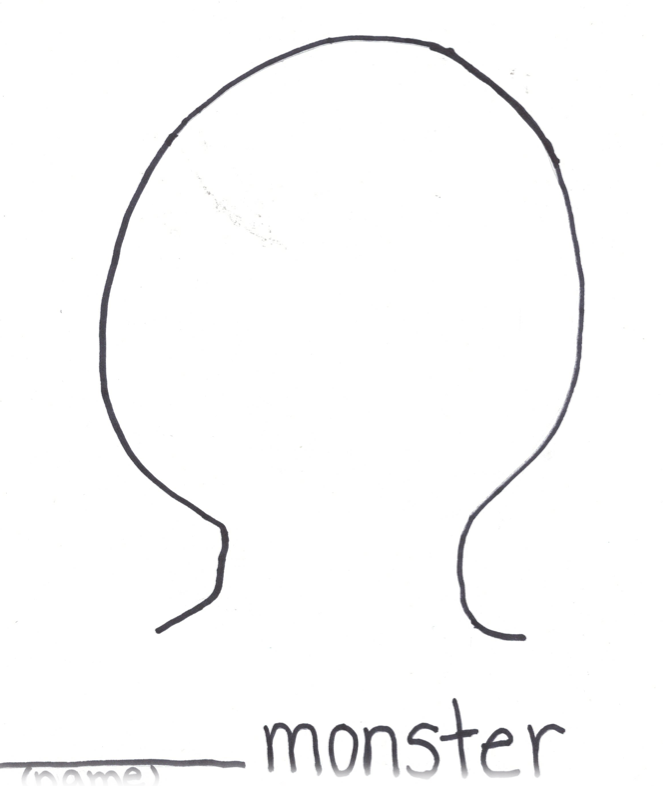
Put out markers today.  Give each child a Monster head and let the children create their own monsters.

Approaches to Learning/Initiative & Curiosity; approaches tasks and activities with increased flexibility, imagination, and inventiveness.

Sand and Water

Add some blue food coloring to the water in the table today.  Put out scooping toys along with funnels and pieces of plastic hosing that fit the funnel end.  As the children pour and scoop, they can see how the water moves from high to low and container to container.

Science/Scientific Knowledge; expands knowledge of and abilities to observe describe, and discuss the natural world, materials, living things, and natural processes.

Library and Writing

M is for Monster. Ask the children to practice writing M’s on paper.

Literacy/Early Writing; experiments with a growing variety of writing tools and materials, such as pencils, crayons, and computers.

 Put out many alphabet magnets and shapes. Challenge the children to go through the letters and pull out all the M’s. How many did they find? This works best if you have several sources of alphabet letters that you can dump onto the table or int a bin for sorting.

Literacy/Alphabet Knowledge; shows progress in associating the names of letters with their shapes and sounds.

 Dramatic Play

Put your puppets in the center today and encourage the children to make up a story. The Monster at the end of this Book often gives children a good jumping off place to start.

Creative Arts/Dramatic Play; shows growing creativity and imagination in using materials and in assuming different roles in dramatic play situations.

 Math and Manipulatives

Remind the children that in the story Grover tied pages together. Show the children how to take the lengths of yarn and tie them to the legs of your classroom chairs or side of the easel. Show the children how to tie a knot. For older children they can practice tying bows such as on lace shoes.

Physical Health & Development/Fine Motor Skills; grows in eye-hand coordination in building with blocks, putting together puzzles, reproducing shapes and patterns, stringing beads, and using scissors.

 Outdoor Play

The teacher can pretend to be a monster and chase the children about the playground. When she catches a child she can say that she is a lovable monster and give the child a hug or kiss and then chase after someone else.

Physical Health & Development/Gross Motor Skills; shows increasing levels of proficiency, control, and balance in walking, climbing, running, jumping, hopping, skipping, marching, and galloping.

Transitions

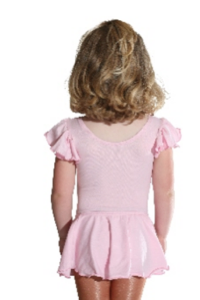
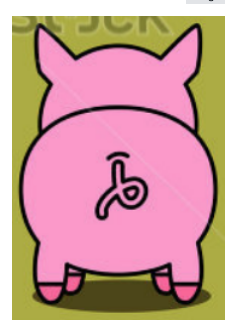
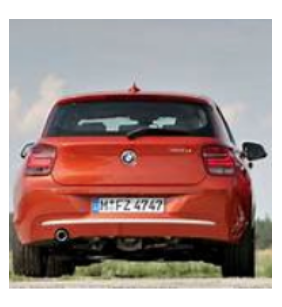
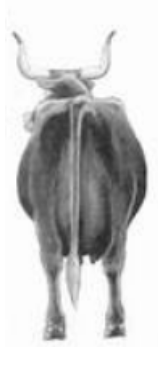
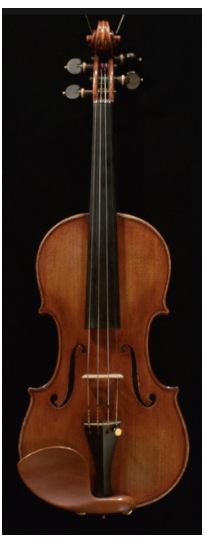
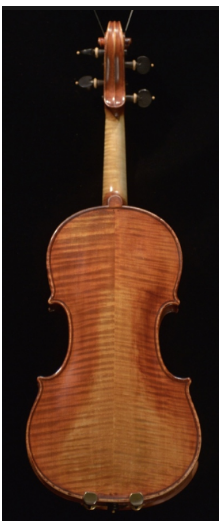
Again use the front and back cards. Give children either a front or back card. They must find the child who has the matching card, give them to you, and then go off to the next activity. As they hand the cards to you, ask them, “Is this a picture of the front or back of the ____”?

Mathematics/Geometry & Spatial Sense; builds an increasing understanding of directionality, order, and positions of objects, and words such as up, down, over, under, top, bottom, inside,outside, in front, behind.  AND Approaches to Learning/Engagement & Persistence; grows in abilities to persist in and complete a variety of tasks, activities, projects, and experiences.

Resources
Screen Shot 2018-11-03 at 10.42.29 AM
back
front
back
front
front
back
front
back
back
front
front
back
back
front

back
front
front
back
front
back
front
back
front
back
back
front
front
back
front
back
front
back
front
back
front
back
front
back
back
front

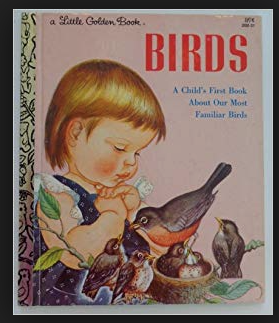
Birds: A Child’s First Book About Our Most Familiar Birds, Jane Werner Watson

This book helps children learn about the wonders and cycles of birds as it moves through the seasons.    

Materials

  •             Plastic Easter eggs, one per child
  •            Bird identification book
  •             Loaf of bread
  •             Peanut Butter
  •             Birdseed
  •             Portable Chalkboard and chalk
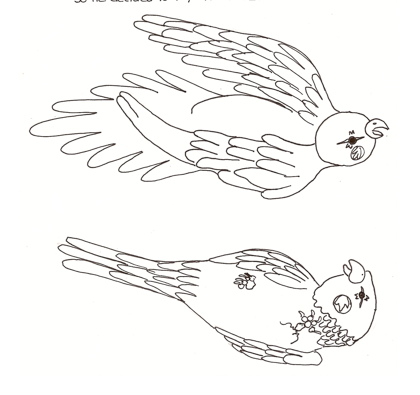
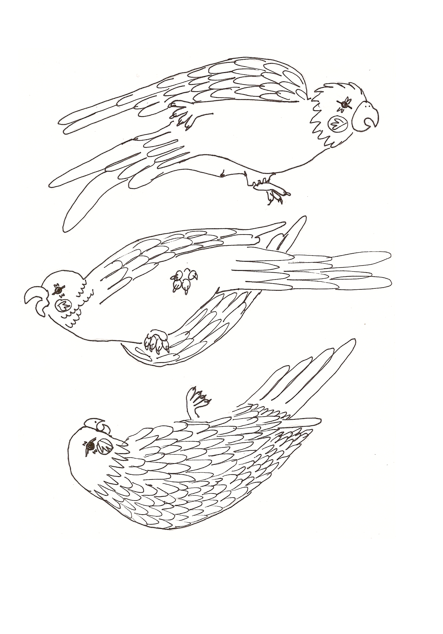
  •             5 parrots poem parrots
  •             Variety of circles and triangles to make bird collage
  •            Pictures of birds from nest to adult
  •             A handful of plastic worms and/or plastic insects. 

Vocabulary

  •             Bills (the beak or mouth of a bird)
  •             Migrate (to go to another place for part of the year)
  •             Feeding tray (a bird feeder)
  •            Broods (the eggs in the nest that will hatch and baby birds will                come out)
  •             Oviparous (animals that hatch from eggs)

Before Reading the Story

Pass out the plastic eggs.  Use them to play a placement game.  Can you put the egg under your chin, on top of your foot, behind your back, next to your shoulder,in front of your nose?  When you are finished, ask the children if they can name an animal that comes from an egg.  Let them name as many as they can.  Tell the children that all animals that hatch from eggs are called oviparous animals.   Hold up the book and show the frontcover.  Can you guess which oviparous our story is about today?  Let the children guess.    Can anyone name the kind of bird that is on the cover (robin red breast)?

Science/Science knowledge; expands knowledge of and abilities to observe, describe, and discuss the natural world, materials, living things, and natural processes.  AND Language Development/Listening  Understanding; shows progress in understanding and following simple and multiple-step directions.

Reading the Story

While  reading, take time on each page to let the children make comments and to name the different kind of birds.

Science/Science knowledge; expands knowledge of and abilities to observe, describe, and discuss the natural world, materials, living things, and natural processes. 

After Reading the Story

Ask the children if they remember any of the names of the birds.  Explain that they are all birds but each has a special name.  Just like you are all children but you each have a special name. Put up a chalk board where all the children can see.  Begin writing a child’s name calling out the letters as you do.  Ask the children whose name is this?  Continue doing until you have written and called out all the children’s names.

Literacy/Alphabet Knowledge; identifies at least 10 letters of the alphabet, especially those in their own name.

Discovery

Remind the children that people can feed birds with bread and seeds.  Give each child a piece of bread and have them spread it with peanut butter.  After  they spread it with peanut butter they can sprinkle bird seed on top.  Put outside in a quiet location where the children can observe to see if the birds come to eat.  When birds do come, be sure to have a book available so you can look up the names. 

Physical Health & Development/Fine Motor Skills; grows in hand-eye coordination in building with blocks, putting together puzzles, reproducing shapes and patterns, stringing beads and using scissors.   AND Approaches to Learning/Engagement & Persistence; grows in abilities to persist in and complete a variety of tasks, activities, projects, and experiences,

At toothbrushing time, go back to the book and look at several bird pictures.  Note the bills/beaks and ask the children if they see any teeth.  Tell the children that birds do not have teeth however we do and we need to take good care of  them so brush well.

Physical Health & Development/Health Status & Practices; shows growing independence in hygiene, nutrition, and personal care when eating, dressing, washing hands, brushing teeth, and toileting.

Music and Movement

Make a copy of the 5 parrots and teach your children the following flannel poem.

5 Pretty Parrots

5 pretty parrots sitting by the door,
1 flew away and then there were 4.
4 pretty parrots sitting in a tree,
1 flew away and then there were 3
3 pretty parrots didn’t know what to do,
1 flew away and then there were 2
2 pretty parrots having lots of fun,
1 flew away and then there was 1.
1 pretty parrot sitting all alone,
So he decided to fly on home.

Put up the 5 parrots on the flannel board and take them away one at a time while you say the poem.

Mathematics/Number & Operations; begins to associate number concepts, vocabulary, quantities, and written numerals in meaningful ways.

Blocks

Make two sets of same kind blocks with a child. The first set arrange in a row.  The second set arrange 5 blocks in a column   Ask the child which set they think has more?  Then have them count the sets. Now encourage the child to make their own set of 5 blocks.  How many ways can they make it? (stacking, 2+3, haphazardly, like dominos on end, etc).  Have the child count the sets to make sure that they all contain 5 blocks each and congratulate him/her for using their brain to make so many sets of 5.

Mathematics/Numbers & Operations; develops increased abilities to combine, separate, and name “how many” concrete objects.  AND Approaches to Learning/Reasoning & Problem Solving; develops increasing ability to find more than one solution to a question, task, or problem.

Art

Make bird collages using several sizes of circles and triangles.  Put out markers to embellish the children’s bird collages.

Approaches to Learning/Reasoning & Problem Solving; develops increasing ability to find more than one solution to a question, task, or problem.

Sand and Water

Add mud, grass, and pieces of yarn or ribbon to the table.  Let the children build birds nests.  You can use bowls to help make the form.  Put these out into the sun until they dry.
Science/Scientific Skills & Knowledge; develops growing abilities to collect, describe, and record information through a variety of means, including discussion, drawings, maps, and charts.
Dramatic Play

Put out several boxes large enough for the children to get into.  Bring in rubber worms and plastic insects.  The children can pretend to be birds and feed their babies.
Creative Arts/Dramatic Play; shows growing creativity and imagination in using materials and in assuming different roles in dramatic play situations.

Math and Manipulatives

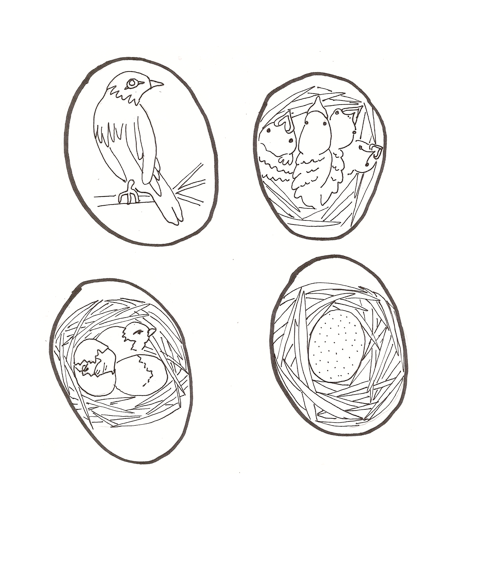
Put the bird cards in order from first to last. Ask the children to talk about the order, what happens first, second. last?  Ask the children questions about bird life cycles and see how much they really know.  Ask them to share any experiences they have watching birds from their home or on the playground.  (My cat ate a bird once, I sawed the bird on the fence by the playground, The Mommy feeds her baby worms, gross!).  Write their answers down and use to begin a ‘What we know, want to know’ chart.

Science/Scientific Knowledge; expands knowledge of and abilities to observe, describe, and discuss the natural world, materials, living things, and natural processes.

Outdoor Play

Look for natural objects the children can use to make a nest and eggs.  Our playground is loaded with pine trees.  The children like to rake the pine needles and use the pinecones for eggs.  Perhaps your playground has grass clippings or leaves that could be raked into a nest.  Or you could bring in a bale of straw and spread it about for the children to make into a nest.  Rocks, small balls, and acorns can all be used for eggs.  Let the children use their imaginations to figure out how to begin this play.

Approaches to Learning/Reasoning & Problem Solving; develops increasing ability to find more than one solution to a question, task, or problem.  AND Creative Arts/Dramatic Play; shows growing creativity and imagination in using materials and in assuming different roles in dramatic play situations.

Transitions

           Tell the children that the word bird begins with the letter B.   Challenge the children to switch out the first letter in their name and replace it with the letter B (Kerry = Berry, Roger = Boger, Tammie = Bammie)

Literacy/Alphabet Knowledge; shows progress in associating the names of letters with their shapes and sounds.

Dear Parent- Today we read about birds and some of their habits.  Take your child for a short walk and see if you can find any birds.  Identify the breed if possible and then let your child share any information they may have about this type of bird or birds in general.  Share any knowledge that you might also and encourage your child to bring this information back to school to share with the class.

Resources