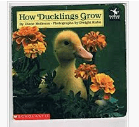
How Ducklings Grow, by Diane Molleson

            Wonderful pictures help explain all about ducks. 

Materials

  • Pie pan, baby food oil, eye dropper, and food coloring
  • Feathers for gluing
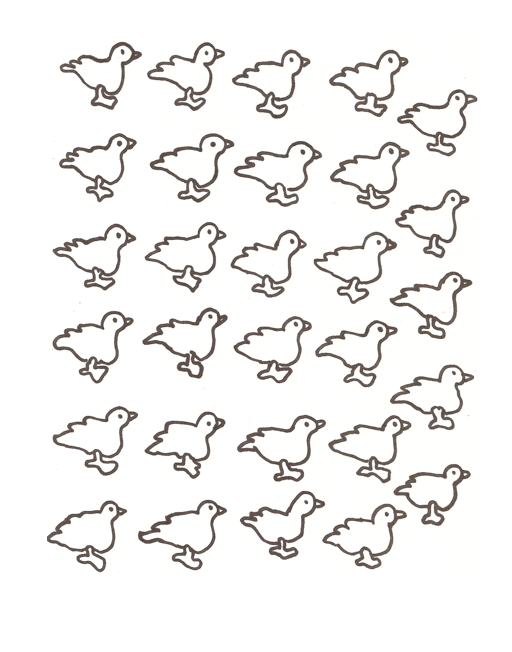
  • 26 ducks

Vocabulary

Before Reading the Story

            Tape a large piece of paper to the wall divided into three columns.  In the first write, What we know.  In the second write, What we want to know, In the third write, What we learned.  Show the children the cover of the book.  Ask the children what they know about ducks.  Write their responses in column one.  After the children have told all they know about ducks, ask them what they would like to know about ducks.  Write these responses in column two.

Science/Scientific Knowledge; expands knowledge of and abilities to observe, describe, and discuss the natural world, materials, living things, and natural processes. AND Literacy/Early Writing; develops understanding that writing is a way of communicating for a variety of purposes.

Reading the Book

            Take your time reading the story so that the children can have time to study the pictures. Allow discussion along the way.

Approaches to Learning/Initiative & Curiosity; grows in eagerness to learn about and discuss a growing range of topics, ideas, and tasks.

After Reading the Story

            Tell the children that the third column you made was for things that the children learned from the book about ducks.  Let them respond.  Use the pictures if they do not respond to help them begin to talk more about ducks.

Science/Scientific Knowledge; expands knowledge of and abilities to observe, describe, and discuss the natural world, materials, living things, and natural processes.

Discovery

            Put the book into the center along with paper and pencil so the children can try to draw ducks. 

Creative Arts/Art; progresses in abilities to create drawings, paintings, models, and other art creations that are more detailed, creative, and realistic.

In the book it talked about how water rolls off the ducks feather because they have oil in them.  Bring in a pie pan and fill it with a little water.  Mix some baby oil with food coloring.  Let the children use an eye dropper to drop colored oil into the water and see what happens.

Science/Scientific Skills & Methods; begins to use senses and a variety of tools and simple measuring devices to gather information, investigate materials, and observe processes and relationships.

Music and Movement

            Teach the children a duck song like Five Little Ducks http:// https://www.youtube.com/watch?v=pZw9veQ76fo

or The Little White Duck. https://www.youtube.com/watch?v=Y57RWhz76y8

Creative Arts/Music; participates with increasing interest and enjoyment in a variety of music activities including listening, finger plays, singing, games, and performances.

Blocks

        Encourage the children to make a pond or lake for the ducks.  If you have a rubber duck put it into the center.

Approaches to Learning/Engagement & Persistence; demonstrates increasing ability to set goals and develop follow through on plans.

Art

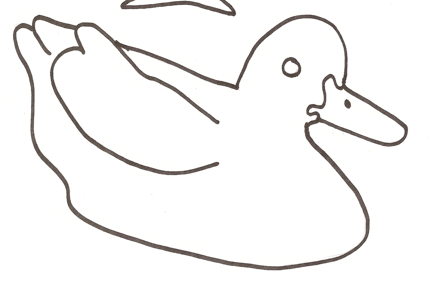
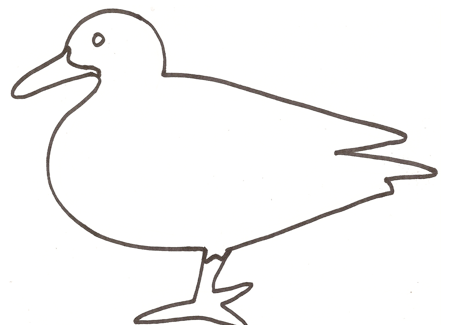
            Cut out duck shapes from construction paper.  Let the children make a feather collage on top of the duck.

Creative Arts/Art; gains ability using different art media and materials in a variety of ways for creative expression and representation.

Sand and Water

            Fill the table with water and add rubber ducks to float.  Encourage the children to find other objects in the room that float.

Science/Scientific Skills & Methods; begins to participate in simple investigations to test observations, discuss and draw conclusions, and form generalizations.

Dramatic Play

Math and Manipulatives

            Make two sets of the 26 ducks page.  Cut them out and let the children match the like ducks. Put an alphabet letter onto each duck pair or numbers, colors that you are working on.

Literacy/Alphabet Knowledge; identifies at least 10 letters of the alphabet, especially those in their own name.

Outdoors

Play follow the leader. The teacher can be the mother duck and the children follow along behind. Make quacking noises as you lead the children to or around the playground.

Physical Health & Development/Health Status & Practices; participates actively in games, outdoor play, and other forms of exercise that enhance physical fitness.

Transitions

Tell the children to listen closely and count your quacks. Quack out loud for each child 1-10 quacks depending upon where each child is developmentally.

Mathematics/Number & Operations; demonstrates increasing interest and awareness of numbers and counting as a means for solving problems and determining quantity.

Resources
Feast for 10, by Cathryn Falwell

            This family is off to the grocery store to get all the fixings for a special feast.  Follow them through the store as they pick out the foods they will need.

Materials

  • Ahead of time send a note home asking parents to send in empty clean food packages of their child’s favorite food items.
  • Grocery cart picture
  • Grocery store flyers
  • Paper or fabric grocery bags

Vocabulary

  • Feast (a large special meal where everybody comes together to eat)
  • Prepare (to get something ready)
  • Plump (a little bit fat)
  • Pie (a baked dessert with a crust)

Before Reading the Story

           Ask the children who they eat their meals with at home (I eat with the TV set on, I eat with my brother, I eat with my family).  Hold up the book and ask the children if they can tell where the family is.  Ask the children why people go to the grocery store (To buy food, to get candy).  How do you remember what you need to buy at the grocery store? (My Mom does, you write it down).

Language Development/Speaking & Communicating; progresses in abilities to initiate and respond appropriately in conversation and discussion with peers and adults. AND Social & Emotional Development/Knowledge of Families & Communities; develops ability to identify personal characteristics, including gender and family composition.

Reading the Story

            As you read, draw attention to the numbers found on each page.

Mathematics/Number & Operations; begins to associate number concepts, vocabulary, quantities, and written numerals in meaningful ways.

After Reading the Story

Put many plastic foods into a basket.  Recite the following poem as you give children a turn to follow your directions.

A tisket, a tasket, a lovely shopping basket.

Can you find the carrot?  The carrot?  The carrot?

(pick different foods for the children to find in the basket)

Language Development/Listening & Understanding; shows progress in understanding and following simple and multiple-step directions.

Discovery

           Hang a food pyramid near your lunch table. When your meal comes, talk to the children about where each food item belongs on the pyramid.

Physical Health & Development/Health Status & Practices; builds an awareness of basic health and safety rules such as fire safety, traffic and pedestrian safety, and responding appropriately to potentially harmful objects, substances, and activities.

Music and movement

           Teach the children the tune to Choo’n Gums’ verse https://www.youtube.com/watch?v=lUXN0yynPxI

My Mother gave me a nickel,

To buy a pickle

But I didn’t buy a pickle

I bought some chewing gum

 (Give each child a food picture and when it’s their turn they can name the food picture they have.  Pass a nickel around as you sing the song)

Language Development/Listening & Understanding; understands an increasingly complex and varied vocabulary.

Sing to chorus of Take Good Care of Yourself. https://www.youtube.com/watch?v=wOS5eNg4J-4

Physical Health & Development/Health Status & Practices; builds an awareness of basic health and safety rules such as fire safety, traffic and pedestrian safety, and responding appropriately to potentially harmful objects, substances, and activities.

            Ask the children if they can curl like spaghetti, wiggle like jello, melt like a ice cream, and be sticky like peanut butter.

Approaches to Learning/Reasoning & Problem Solving; develops increasing ability to find more than one solution to a question, task, or problem. And Language Development/Listening & Understanding; understands an increasingly complex and varied vocabulary.

Blocks

           Bring in some clean and empty food containers (box of cereal and can of beans).  Let the children add these to their blocks to build with.  Encourage them to read the letters on the various labels.

Physical Health & Development/Fine Motor Skills; grows in hand-eye coordination in building with blocks, putting together puzzles, reproducing shapes and patterns, stringing beads, and using scissors. AND Literacy/Alphabet Knowledge; identifies at least 10 letters of the alphabet, especially those in their own name.

Art

            Give children a grocery cart page.  They can either draw foods in the basket or cut from magazines.

Physical Health & Development/Fine Motor Skills; grows in hand-eye coordination in building with blocks, putting together puzzles, reproducing shapes and patterns, stringing beads, and using scissors. AND Literacy/Early Writing; begins to represent stories and experiences through pictures, dictation, and in play.

Library and Writing

            Work with the children to cut out the labels from the food packages that the children bring in.  Mount them to the wall and label it Our Favorite Foods.  Hang a nutrition pyramid beside it and help the children locate where the foods go on the pyramid.

Physical Health & Development/Fine Motor Skills; grows in hand-eye coordination in building with blocks, putting together puzzles, reproducing shapes and patterns, stringing beads, and using scissors. AND Physical Health & Development/Health Status & Practices; builds an awareness of basic health and safety rules such as fire safety, traffic and pedestrian safety, and responding appropriately to potentially harmful objects, substances, and activities.

Sand and Water

            Put plastic fruits and vegetables in the water table for the children to wash.

Social & Emotional Development/Cooperation; increases abilities to sustain interactions with peers by helping, sharing, and discussion.

Dramatic Play

           Add grocery lists. (What would you like to buy at the grocery store today? What kinds of items does your parent buy?) Add grocery store flyers and coupons.  Add some brown paper grocery sacks.    If you have enough food packages you could set up a small grocery store.

Literacy/Early Writing; develops understanding that writing is a way of communicating for a variety of purposes. AND Social & Emotional Development/Self-Concept; begins to develop awareness of self in terms of specific abilities, characteristics, and preferences.

Math and Manipulatives

           Let the children look for numbers on the grocery store fliers.  Have them look for the number of the year old they are and circle it with a marker. How many numbers can they name by sight?

Mathematics/Number & Operations; demonstrates increasing interest and awareness of numbers and counting as a means for solving problems and determining quantity.

Outdoor Play

            Dampen the sand and make a feast with lots of sand cakes.

Creative Arts/Dramatic Play; participates in a variety of dramatic play activities that become moore extended and complex.

Transitions

            Have the children try to recall the foods that the family bought in the grocery store.

Literacy/Book KNowledge & Appreciation; demonstrates progress in abilities to retell and dictate stories from books and experiences; to act out stories in dramatic play; and to predict what will happen next in a story.

This is a good story to read before going on a grocery store field trip.  Go and buy the items you need to purchase a cooking project.

Resources

Harry the Dirty Dog, Gene Zion

            Harry is a white dog with black spots until he goes out to play.  When he comes back his family does not recognize him, how will he make them know who he is?

Materials

  • A variety of brushes (floor, nails, vegetable, hair etc)
  • Glitter, small amount
  • Harry the dog shape
  • Pictures of dogs
  • Oil pastels and watercolor paints

Vocabulary

  • Buried (too dig a hole and put something inside)
  • Furiously (with great energy)

Before Reading the Story

            Begin a discussion on the importance of keeping our bodies clean.  Why do you think you need to brush your teeth, take a bath, and wash your hair?  Have you ever gotten really, really dirty?  What did you have to do to get clean again?  Introduce the story by stating that today’s story is about a dog that got so dirty, his family did not even recognize him.  Show the children the cover, can they tell which the dirty dog is (left or right)? 

Physical Health & Development/Health Status & Practices; shows growing independence in hygiene, nutrition, and personal care when eating, dressing, washing hands, brushing teeth, and toileting. AND Approaches to Learning/Reasoning & Problem Solving; develops increasing abilities to classify, compare, and contrast objects, events, and experiences.

Reading the Story

            Look at the picture of Harry playing in the street.   Ask the children if this is a safe place for a dog or a child to play?  On the page with the coal chute, make sure to point it out to the children.  As you read, stop on the various pages and ask questions.  Do you know what coal is used for?  When you are tired and hungry, where do you go?  Do you think Harry’s family will ever recognize him? 

Physical Health & Development/Health Status & Practices; builds awareness and ability to follow basic health and safety rules such as fire safety and pedestrian safety, and responding appropriately to potentially harmful objects, substances, and activities. AND Language Development/Speaking & communicating; develops increasing abilities to understand and use language to communicate information, experiences, ideas, feelings, opinions, nedds, questions, and for other varied purposes.

After Reading the Story

            Survey the children by asking them to raise their hands if they like taking a bath.  Raise their hands if they like to take a shower.  Raise their hands if they like to take a sponge bath.  Make a graph that shows the results of this simple survey. 

Mathematics/Number & Operations; begins to use language to compare numbers of objects with terms such as more, less, greater than, fewer, equal to.

  Bring out your collection of brushes.  Hold up one brush at a time and ask the children if they can tell what they are used for.  Have them pantomime the action. 

Approaches to Learning/Reasoning & problem Solving; develops increasing abilities to classify, compare, and contrast objects, events, and experiences.

Discovery

            Put a small amount of glitter onto each child’s hands.  Tell them that the glitter represents the germs that get on your hands when you play.  Have each child practice their hand washing techniques and check to see if they were able to get the glitter off. 

Physical Health & Development/Health Status & Practices; shows growing independence in hygiene, nutrition, and personal care when eating, dressing, hand washing, brushing teeth, and toileting.

Music and Movement

            Teach your children the poem After the Bath make actions to match words.

After my bath, I try, try, try

To towel myself till I’m dry, dry, dry

Hands to wipe, and fingers and toes,

And two wet legs and my shiny nose.

Just think how much less time it would take,

If I was a dog and could just shake, shake, shake!

Language Development/Listening & Understanding; demonstrates increasing ability to attend to and understand conversations, stories, songs, and poems.

          Sing My Dog Rags https://www.youtube.com/watch?v=pjiH_pj1_Lw

   I have a dog. His name is Rags.

   He eats so much that his tummy sags.

   His ears flip flop and his tail wigwags

  And when he walks he goes zigzag.

He goes flip flop, wig wag, zigzag.

He goes flip flop, wig wag, zigzag.

   He goes flip-flop, wigwag zigzag,

   I love Rags and he loves me.

Language Development/Listening & Understanding; demonstrates increasing ability to attend to and understand conversations, stories, songs, and poems.

            Sing, the Opposite Song (to Pop Goes the Weasel)

Everything I always say,

You always say the opposite.

When I say bla-ack,

You say white.

 (Opposites from story dirty/clean, hungry/full, boy/girl, flip-flopped/flop-flipped, mother/father, happy/sad) 

Language Development/Speaking & Communicating; uses an increasingly complex and varied spoken vocabulary. AND Creative Arts/Music; participates with increasing interest and enjoyment in a variety of music activities, including listening, singing, finger plays, games, and performances.

Blocks

           Challenge the children to build a bridge to go over the train tracks like the one in the story. 

Physical Health and Development/Fine Motor Skills; grows in hand-eye coordination in building with blocks, putting together puzzles, reproducing shapes and patterns, stringing beds, and using scissors.

Art

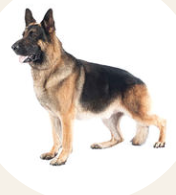
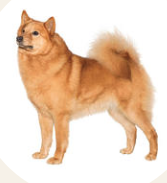
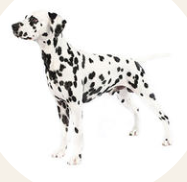
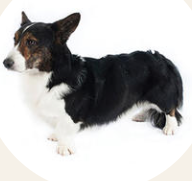
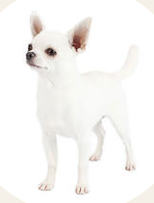
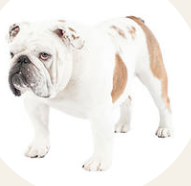
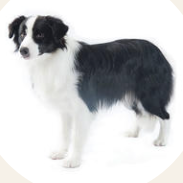
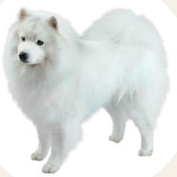
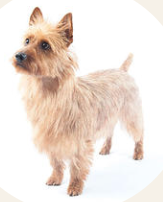
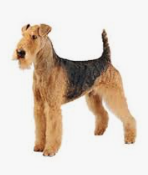
           Put out several pictures of dogs of different breeds.  Help the children to see what all the dogs have in common (4 legs, head, tail, etc.).  Help the children verbalize that dogs can be very different.  Encourage the children to draw their own breed of dog. 

Approaches to Learning/Reasoning & Problem Solving; develops increasing abilities to classify, compare, and contrast objects, events, and experiences. AND Creative Arts/Art; progresses in abilities to create drawings, paintings, models, and other art creations that are more detailed, creative, or realistic.

Sand and Water

           Bring in several nail brushes and fill the table with soapy water.  The children can use the brushes to wash toys in the room. 

Physical Health & Development/Health Status & Practices; shows growing independence in hygiene, nutrition, and personal care when eating, dressing, washing hands, brushing teeth, and toileting.

Library and Writing

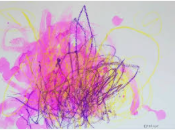
            Give the children a copy of the dog shape and let them color them with oil pastels.  They then use a dark watercolor paint to paint over the entire dog shape.  The oil pastels will bleed through.  Ask the children to tell you about how their Harry got all his dirty spots, write down their responses and attach to their picture. 

Literacy/Book Knowledge & Appreciation; demonstrates progress in abilities to retell and dictate stories from books and experiences; to act out stories in dramatic play; and to predict what will happen next in a story.

Dramatic Play

            Put the variety of brushes into the center for the children to use today.  Encourage the children to pretend to wash the babies, the dishes, and the house. 

Creative Arts/Dramatic Play; shows growing creativity and imagination in using materials and in assuming different roles in dramatic play situations. AND Approaches to Learning/Initiative & Curiosity; approaches tasks and activities with increased flexibility, imagination, and inventiveness.

Math and Manipulatives 

Play a spot counting game.  Let the children take turns rolling a dice.  Have them count the spots on the dice and then take that many manipulatives (poker chips or buttons work well).  Let each child have several turns rolling and counting out the number of manipulatives.  If you had three spots/dots and now you add two more, how many do you have in total?  When they are finished, have them count their pile. Who has more, less?  That’s a lot of spots!

Mathematics/Number & Operations; develops increased abilities to combine, separate, and name “how many” concrete objects. AND Mathematics/Number & Operations; begins to associate number concepts, vocabulary, quantities, and written numerals in meaningful ways.

Outdoor Play

            Take a scrub brush out onto the playground and take turns hiding it. 

Social & Emotional Development/Cooperation; develops increasing abilities to give and take in interactions,; to take turns in games and using materials; and to interact without being overly submissive or directive.

Transitions

            Ask the child to pretend to wash a body part that you name for them.  If the children are good at naming general body parts, add more such as knuckles, nostril, shin, heal, and gums. 

Language Development/Listening & Understanding; understands an increasingly complex and varied vocabulary.

Dear Parent,

            Today we talked about the importance of bathing and keeping our bodies clean.  During evening routines, ask your child to show you how to wash their bodies and brush their teeth all by themselves.  Praise them for a job well done.

oil pastels with watercolor paints
Akita
German Shepherd
Spitz
Dalmatian
Welsh Corgi
Retriever
Chihuahua
Bulldog
Border Collie
Beagle
American Eskimo
Australian Terrier
Airedale