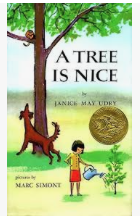
A Tree is Nice, by Janice May Udry

This simple story tells why trees are nice to have.  It helps children become aware that there are many uses for trees.

Materials

  • 10-20 sticks of varying lengths
  • Evergreen branches to use as paintbrush
  • Variety of tree leaves
  • Pictures of things that come from trees

Vocabulary

  • Trunk (the tall body of the tree)
  • Limb (another name for branch, usually a thick branch)
  • Hoe (a tool that you use in the garden for scraping weeds)

Before Reading the Story

Ask the children if they know why trees are very important? Tell them that we get many things from trees.  Put up one picture at a time of items that come from trees.  Ask a child to help name the item and then have everyone repeat, “Thank you tree for  ______”.  Before reading the story, ask the children if they can think of any other reason why trees are important?  Explain that the story today is about some nice things that trees do, introduce the story.

Science/Scientific Knowledge; expands knowledge of and abilities to observe, describe, and discuss the natural world, materials, living things, and natural processes.

Reading the Story

As you read, allow the children to comment upon the pictures and words.  After any comment say to the children, “a tree is really nice don’t you think”? 

Science/Scientific Knowledge; expands knowledge of and abilities to observe, describe, and discuss the natural world, materials, living things, and natural processes. AND Language Development/Speaking & Communicating; develops increasing abilities to understand and use language to communicate information, experiences, ideas, feelings, opinions, needs, questions; and for other varied purposes.

After Reading the Story

In the story the author states that apples come from trees.  Ask the children if they can think of any other foods that come from trees? (nuts, lemons, oranges, apricots, pears, oranges, coconuts). Make a list, ‘Foods we get from Trees’.

Literacy/Writing;develops understanding that writing is a way of communicating for a variety of purposes.

Discovery

Bring in parts of a tree for the children to look at through a magnifying glass.  Include; bark, stick, leaf, flower. pinecone, branch, etc..

Science/Scientific Skills & Methods; begins to use senses and a varied of tolls and simple measuring devices to gather information, investigate materials, and observe processes and relationships.

Music and Movement

Teach the children the chorus to the song song, Trees, Trees, Trees. https://www.youtube.com/watch?v=D7dKRBZVLvI Add musical instruments. Are any made from wood? Point this out to the children.

Creative Arts/Music; participates with increasing interest and enjoyment in a variety of music activities, including listening, singing, finger plays, games, and performances.

Pretend to be trees.  Tell the children that their feet are the roots that go deep into the ground and do not allow them to move.  The wind begins to gently blow and the leaves rustle (wiggle fingers).  Now the wind blows a little stronger, it’s breezy and the branches begin to move back and forth. (Move arms around)  Suddenly a strong storm is coming and the wind is very blustery making the tree bend and sway.  Good thing your tree roots are buried deep in the ground to keep you from falling over. (Move bodies all about without moving feet).  Now have the wind die back down to blustery, then breezy, gently blowing, to standing tall with roots/feet firmly planted in the ground.

Approaches to Learning/Initiative & Curiosity; approaches tasks and activities with increased flexibility, imagination, and inventiveness.

Blocks

Tell the children that your wooden blocks and cardboard blocks are made from trees,  Thank you trees for the blocks!  Build and enjoy playing with parts from a tree today.

Physical Health & Development/Fine Motor Skills; grows in hand-eye coordination in building with blocks, putting together puzzles, reproducing patterns and shapes, stringing beads, and using scissors.

Art

Bring in evergreen branches and tie several together to make a paint brush.  Put these at the easel today for the children to experiment with.  Add several sticks as another way to apply paint to the paper.

Creative Arts/Art; gains ability in using different art media and materials in a variety of ways for creative expression and representation.

Sand and Water

Add water to the table today and a variety of tree leaves. Do the leaves float or sink? Does the water change the way the leaves look? Does a wet leaf smell different from a dry leaf?

Science/Scientific Skills & Methods; begins to use senses and a varied of tolls and simple measuring devices to gather information, investigate materials, and observe processes and relationships.

Library and Writing

Bring in a book of trees or a variety of pictures of trees that the children can look at and compare the likes and differences.  Talk to them about the parts of the tree. Challenge the children to draw a tree with all of it’s part. Help the children to label the tree parts (roots, trunk, branch, bough, leaf, needle, flower, fruit, etc.).

Science/Scientific Skills & Methods; develops growing abilities to collect, describe, na drecord information through a variety of means, including discussion, drawings, maps, and charts.

Dramatic Play

Math and Manipulatives

Bring in sticks of varying lengths and challenge the children to put them in order from shortest to longest.

Mathematics/Patterns & Measurement; shows increasing abilities to match, sort, put in a series, and regroup objects according to one or two attributes such as size or shape.

Outdoor Play

Go outside and listen quietly.  Can you hear the wind whisper through the trees? 

Science/Scientific Skills & Methods; begins to use senses and a varied of tolls and simple measuring devices to gather information, investigate materials, and observe processes and relationships.

Or…Go outside and rake and then jump in the leaves. 

Physical Health & Development/Health Status & Practices; participates actively in games, outdoor play, and other forms of exercise that enhance physical fitness.

Find a stick on the playground and let the children use it to practice writing their name.

Literacy/Early Writing; experiments with a growing variety of writing tools and materials, such as pencils, crayons, and computers.

Transitions

Remind the children that your story today was, A Tree is Nice and gave so many reasons that a tree is especially nice.  Ask the children if they can recall reasons or is they have any reasons of their own.  Write their responses onto a piece of paper and hang it on the wall.

Literacy/Book Knowledge & Appreciation; demonstrates progress in abilities to retell and dictate stories from books and experiences; to act out stories in dramatic play; and to predict what will happen next in a story.

Resources
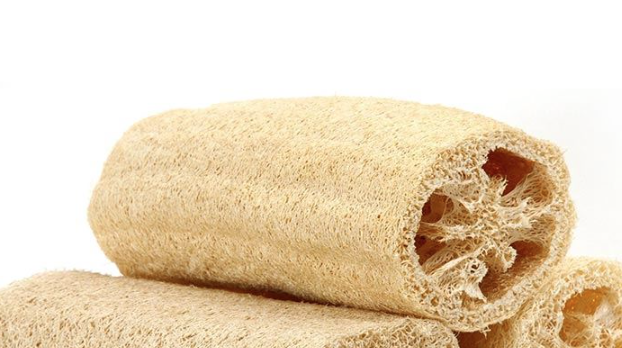
loofas
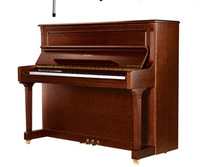
piano
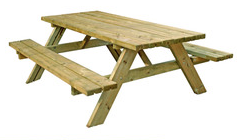
picnic table
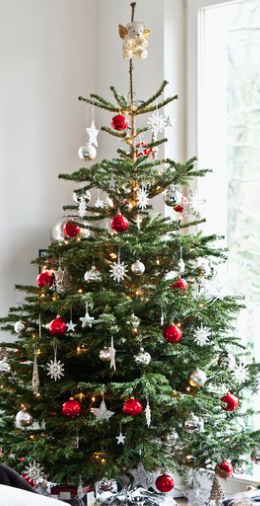
Christmas tree
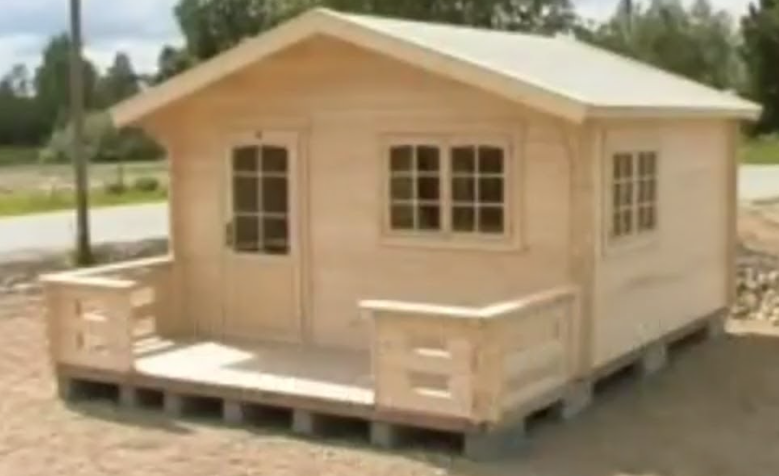
Houses
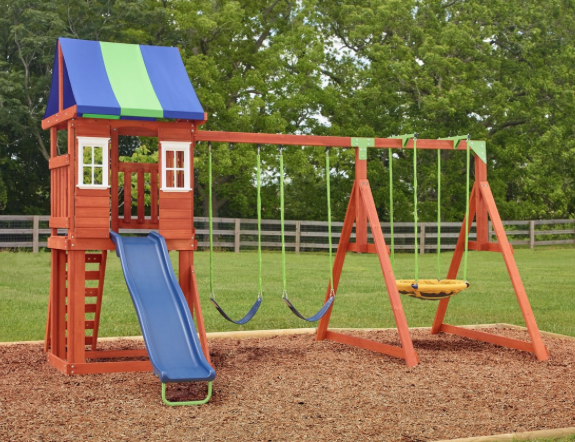
Play yards
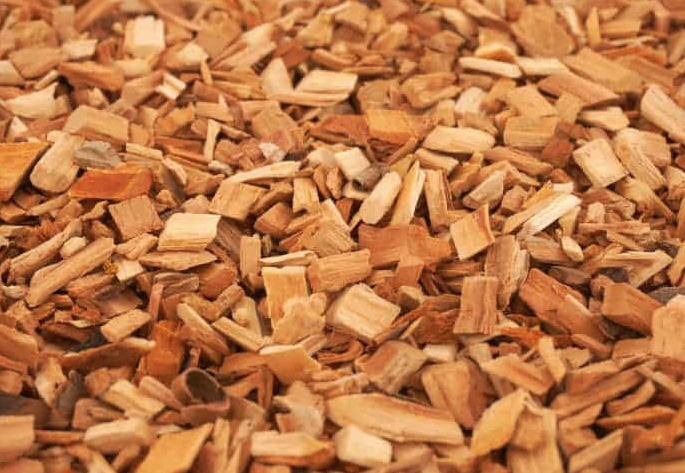
mulch
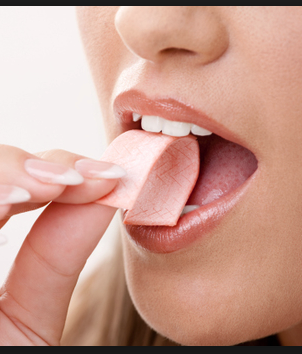
gum
cork board
nuts
chocolate
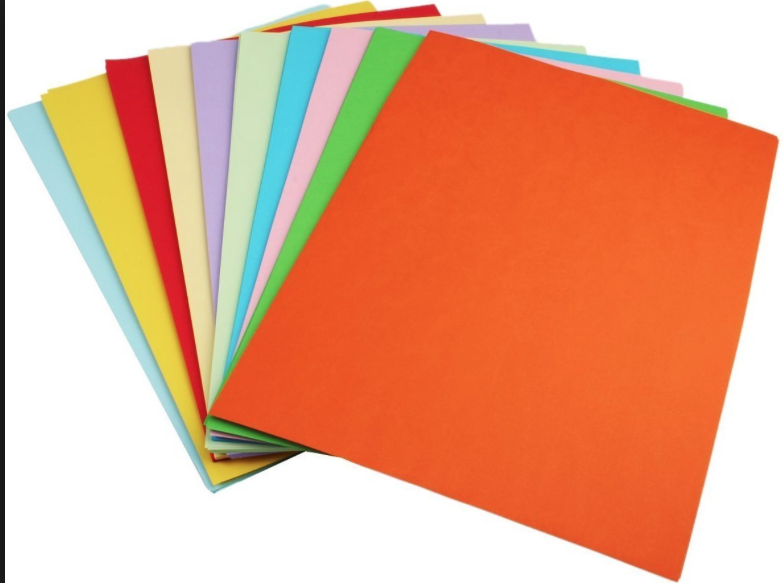
paper to draw and write on
books
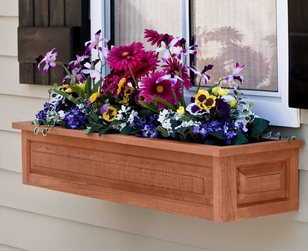
planters
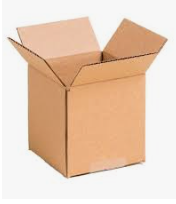
cardboard
toilet paper
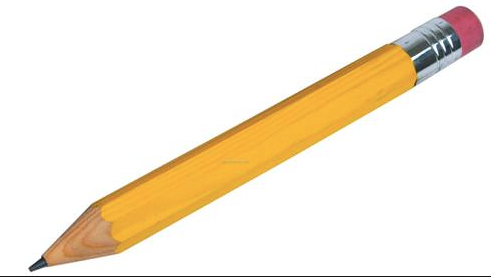
pencils

Green Eggs and Ham, by Dr. Seuss

            When Sam-I-Am tries to get the old grouchy dog (?) to try his green eggs and ham, the grouch says absolutely not.  Sam-I-Am tries to get the grouch to try them in a variety of settings.  Will the grouch finally try green eggs and ham?  Will the grouch ever like green eggs and ham?

Materials

  •   Ingredients for an egg dish
  •  Rhyming word cards from story
  •  Food pictures or magazines with pictures of food
  • Green food coloring

Vocabulary

  • Grouchy (someone in a bad mood)

Before Reading Story

            Show the children the front of the book.  Ask them if they can tell what is on the plate?  Ask them if the dog looks like he likes what’s on the plate? Ask the children if there are any foods that they do not like? Now ask them if there are any foods that they like very much? Give the children a minute to talk about likes and dislikes and then remind them that sometimes you have to try something new before you decide you do not like it. And sometimes you might think you do not like a food but then you try just a tiny bit and realize that you really do like it!

Language Development/Speaking & Communicating; develops increasing abilities to understand and use language to communicate information, experiences, ideas, feelings, opinions, needs, questions,; and for other varied purposes. 

Reading the Story

            Practice ahead of time so that you can read all the rhymes smoothly.

Literacy/Phonological Awareness; progresses in recognizing matching sounds and rhymes in familiar words, games, songs, stories, and poems.

After Reading the Story

            Ask the children why the dog was so grouchy?  (Sam-I-Am kept making him try the eggs).  Ask the children why Sam-I-Am kept bothering the dog? (he wanted him to try the food).   What happened when the dog finally tried the new food? (He liked it).  Ask the children if they ever had an experience like this where they finally tried something and found out it was good. 

Literacy/Book Knowledge & Appreciation; demonstrates progress in ability to retell and dictate stories from books and experiences; to act out stories in dramatic play; and to predict what will happen next in a story.

Discovery

            Make an egg dish with the children.  You can use an electric wok or fry pan to make scrambled eggs.  If you do not have access to heat, you can make egg salad by bringing in already cooked eggs for them to peel and mix.  Add a drop of green to any of the egg recipes.

Science/Scientific Skills & Methods; begins to use senses and a variety of tools and simple measuring devices to gather information, investigate materials, and observe processes and relationships.

Music and Movement

            Teach your children the song Rhyming Words. (Tune of The Mexican Hat dance). Cut out the rhyming word picture cards.  Put one rhyming word from each pair on a flannel board where the children can see it.  Hold up a picture card from the pile and sing.

Rhyming words sound the same,     (clap Clap)

Rhyming words sound the same.    

Rhyming words sound the same,     (clap, clap)

Rhyming words sound the same.

(Ask the children if they can name the picture that rhymes with the picture in your hand)

Literacy/Phonological Awareness; progresses in recognizing matching sounds and rhymes in familiar words, games, songs, stories, and poems.

Blocks

            Make a track (train or car) out of blocks.  Challenge the children to build a bridge or a tunnel.

Approaches to Learning/Engagement & Persistence; shows growing capacity to maintain concentration over time on a task, question, set of directions or interactions, despite distractions or interruptions.

Art

            Green finger paint today.  As the children paint, encourage them to make circle, ovals and other shapes.

Mathematics/Geometry & Spatial Sense; begins to recognize, describe, compare, and name common shapes, their parts and attributes. AND Social & Emotional Development/Self-Concept; demonstrates growing confidence in a range of abilities and expresses pride in accomplishments. AND Physical Health & Development/Fine Motor Skills; grows in hand-eye coordination in building with blocks, putting together puzzles, reproducing shapes and patterns, stringing beads, and using scissors.

Library and Writing

            Ask the children to go through the food cards or magazines and cut out pictures to make a menu they would like to eat.  Remind them to include a fruit and a vegetable!

Social & Emotional Development/Self-Concept; begins to develop an awareness of self in terms of specific abilities, characteristics, and preferences. AND Physical Health & Development/Fine Motor Skills; grows in hand-eye coordination in building with blocks, putting together puzzles, reproducing shapes and patterns, stringing beads, and using scissors.

Sand and Water

            Add green food coloring to the water today.

Dramatic Play

            Let the children pretend to cook green eggs and ham.  If you have any plastic Easter eggs these could be added to the center today.  Add old recipe cards or books.

Creative Arts/Dramatic Play; participates in a variety of dramatic play activities that become more extended and complex.

Math and Manipulatives

            Have each child cut out a green oval shape and write their name on it.  After trying your egg recipe, ask the children to take their paper egg and place it on a graph marker; yes I like Green Eggs/ No I do not like Green Eggs.

Social & Emotional Development/Self-Concept; begins to develop an awareness of self in terms of specific abilities, characteristics, and preferences. AND Physical Health & Development/Fine Motor Skills; grows in hand-eye coordination in building with blocks, putting together puzzles, reproducing shapes and patterns, stringing beads, and using scissors.

Outdoor play

            Use a ball or a bean bag to play catch.  Before you toss the ball/bag to a child, say a word.  The child must try to make a rhyme for the word.  If a child is having a lot of trouble with rhyming words, have the child say a word and you make a rhyme for him.

Literacy/Phonological Awareness; progresses in recognizing matching sounds and rhymes in familiar words, games, songs, stories, and poems.

Transitions

            As the children go to their next activity ask them to name a food that is green.  When they have exhausted green foods, pick another color.

Mathematics/Geometry & Spatial Sense; shows growth in matching, sorting, putting in a series, and regrouping objects according to one or two attributes such as color, shape, or size.

Resources

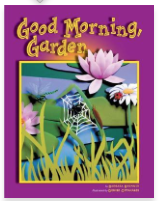
Good Morning Garden, by Barbara Brenner

Everyone starts their day off a little different. In this story a little girl starts off her day by greeting all the things she finds in her garden.

Materials

  • Silk flowers. If you have the ‘heads’ only, pipe cleaners work well for the stems. Just cut them down to an appropriate length.
  • 1 paper plate for every 3 children in classroom and one extra.
  • Pipe cleaners cut into various lengths for both sand/water play and manipulatives.

Vocabulary

  • Plant (flowers, vegetables, trees, and shrubs that mainly grow in the ground)
  • Dew (droplets of water that form on plants and other objects through condensation)
  • Neighborhood (a place where several or many families live)
  • Living (alive)
  • Inanimate (not alive)

Introducing the Story

Begin a discussion on morning rituals.   Ask the children how they start their morning. What do you do first, next, and last. (My Daddy wakes me up and then I get dressed because I have to come to school). Let the children talk about all the things they do. As a child introduces a new activity, ask the other children if they do this too. (How many of you brush your teeth in the morning like Roger?). Tell the children that today you are going to read a story about a little girl who likes to start her day in a different way. Open up the book so the children can see the front and back covers and ask them if they can guess how this girl likes to start her day?

Approaches to Learning/Reasoning & Problem-Solving; develops increasing ability to find more than one solution to a question, task, or problem.

Reading the Story

Read the first page and state that the girl likes to go for a walk and say good morning to the things in her yard. Now as you go through the pages, ask the children if they can name some of the things in the yard. Use your finger to point out the items the young girl is saying good morning to.  Read slowly and allow the children to enjoy the pictures and add any discussion that is appropriate to the story. (Once I saw a bumblebee in my yard and I ran away cause it was gonna sting me).

Science/Scientific Knowledge; expands knowledge of and abilities to observe, describe, and discuss the natural world, materials, living things, and natural processes.

After Reading the Story

Open the book to any page and tell the children to look carefully at how the illustrator made the pictures. Explain to them Denise Ortakales is the illustrator and artist who cut all these little shapes of paper and glued them together to make these pictures. This technique is called paper sculpting. It takes a lot of practice to be able to cut this good; Denise Ortakales is a real artist.

Literacy/Book Knowledge & Appreciation; progresses in learning how to handle care for books; knowing to view one page at a time in sequence from front to back; and understanding that a book has a title, author, and illustrator.

Music and Movement

Sing The Itsy Bitsy Spider.

The Itsy Bitsy Spider climbed up the waterspout.         (make hands pretend to crawl up)
Down came the rain and washed the spider out.          (wiggle fingers to make rain motion)
Out came the sun and dried up all the rain                    (put hands over head fingers to fingers/thumb to thumb)
And the Itsy Bitsy spider, went up the spout again.    (make hands pretend to crawl up)

Change the Itsy Bitsy spider to the Teeny Tiny spider and sing it in a squeaky little voice doing tiny actions. Then sing it to the Humongous spider voice and do great big spider voice and actions.

Creative Arts/Music; participates with increasing interest and enjoyment in a variety if music activities, including listening, singing finger plays, games, and performances.

Put the paper plates on the floor and tell the children that they are going to pretend to be ants crawling about. When the music plays the children crawl about the room. Encourage them to crawl under the table, over the chair, beside the bookcase, walk on the blocks, jump over the stuffed animal, etc. When the music stops the children must quickly crawl to a paper plate (ant hole) where there is room for them. They must put one hand on the plate. When all the ants are in their ‘hole’, begin the music again.

Physical Health & Development/Large Motor Skills; shows increasing levels of proficiency, control, and balance walking, climbing, running, jumping, hopping, skipping, marching, and galloping.

Discovery

In this story, the girl said “good morning” to many living things. Ask the children if they can remember a few. Give the children magazines and scissors and ask them to cut out pictures of living things for you to put on a poster. If the children are cutting many living things pictures, you can change the directions to cut out inanimate objects (things that are not alive).   Depending on how involved the children get, you can glue their pictures to a poster board labeled, LIVING objects and/or INANIMATE objects.

Physical Health & Development/Fine Motor Skills; Grows in eye-hand coordination in building with blocks, putting puzzles together, reproducing shapes and patterns, stringing beads, and using scissors.

Blocks

The last page of the story shows a neighborhood. Show this page to the children in the block center and challenge them to build a neighborhood. Explain that each builder will need a house and whatever else they choose to put into their neighborhood.

Social & Emotional Development/Knowledge of Families & Community; begins to express and understand concepts and language of geography in contexts of classroom, home, and community.

Art

Cut several sheets of construction paper into ½ inch x 6 inch strips. Accordion some of the strips, curl some of the strips, and crease the ends ½” inch in on all of the strips at both ends. Use glue sticks and show the children how to apply the glue to the ½” creased ends of the strips and hold them while they count to 10 on a piece of black construction paper. This will make a 3-dimensional paper collage. Encourage the children to use many strips gluing them under and over each other. Remind them that will have to count to ten and hold the strip in place while the glue settles and sticks. When these are finished they are fun to hang from the wall as the paper sticks out off the wall.

Creative Arts/Art; begins to plan, work independently, and demonstrate care and persistence in a variety of art projects. AND Mathematics/Number & Operations; develops increasing ability to count in sequences to 10 and beyond.

Sand and Water

Add damp sand and plastic or silk flowers for planting. Add spoons and a watering can, and popsicle sticks for labeling what you are growing. If you have bean seeds or small puff balls, these can be used as ‘seeds’.

Creative Arts/Dramatic Play; shows growing creativity and imagination in using materials and in assuming different roles in dramatic play situations.

Library and Writing

Cut out several 3-4 inch shapes from cardboard (a circle, a square, and a triangle). Show the children how to hold the shape onto a piece of paper and trace around it with a marker. Next give the children scissors so they can practice cutting out the shapes. They can either glue them to paper or put them into an envelope for another days art project.

Physical Health & Development/Fine Motor Skills; develops growing strength, dexterity, and control needed to use tools such as scissors, paper punch, stapler, and hammer.

Dramatic Play

The story was about one girl’s morning rituals. Encourage the children to play out their morning rituals. Some children can be parents and some children. As you check in with the center, ask them about their own morning rituals to help guide the play along.

Social & Emotional Development/Knowledge of Families & Communities; progresses in understanding similarities and respecting differences among people such as gender, race, special needs, culture, language, and family structures.

Math and Manipulaties

Give the children play dough and pipe cleaners today. Challenge them to make a spider or insect. Can they roll out a long snake?

Physical Health & Development/Fine Motor Skills; develops growing strength, dexterity, and control needed to use tools such as scissors, paper punch, stapler, and hammer

Outdoor Play

Prep your playground several days ahead of time. Lay a piece of cardboard down in a shady location (the coolness underneath attracts insects). Put out several small dishes of fruit pieces that may help attract ants. On the day of your walk, take out paper and pencil, and magnifying glasses. Go for a Living Things walk and record what they children see on the paper to share in the classroom later.

Science/Scientific Knowledge; expands knowledge of and abilities to observe, describe, and discuss the natural world, materials, living things, and natural processes.

Transitions

Play Categories with the children. Name a category such as fruits, insects and bugs, animals that live in trees, etc. Each child must try to name something from the category before lining up or going to the next activity. For younger children, keep the categories simpler. Name red objects, things that fly, or you name an object and ask them if it is alive or inanimate. (chair, bird, television, etc.)

Approaches to Learning/Reasoning & Problem Solving; develops increasing abilities to classify, compare, and contrast objects, events, and experiences.

Dear Parents, today we read a book about all the wonderful living things out in a little girls neighborhood. Take your child for a walk about your yard or neighborhood and take time to see all the wonders of nature with your child.