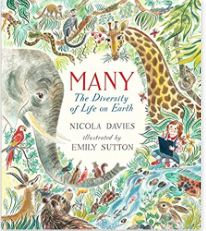
MANY The Diversity of Life on Earth, by Nicola Davies

So many kinds of life on earth, more than we can count.  N. Davies shows the reader how every one of them, including humans, is a part of a big and beautiful pattern.  This is a lovely book to help children learn the importance of taking care of our planet and the diversity of living creatures on earth.
Materials

  • Alive/Not Alive cards
  • Microscope for children or powerful magnifying glass/es
  • Dice
  • Copy of number cards per child
  • Magazines with pictures of animals
  • Things to build habitat in Sand & Water table. Insect habitat=sticks, leaves, grass. Forest habitat=bark, sand, moss, rocks to build a cave or to have the animals stand on, and short branches/sticks to be trees. Pond Habitat=sand, moss, pieces of bark to float frog and turtle manipulatives on.
  • Globe or map of the world

Vocabulary

  • Diversity (Variety)
  • Microbes (living things that are SO small you have to have a special micro-scope, magnifier to see them
  • Living (an animal, plant or person; things that require air, water, food/energy, and shelter).

Before Reading the Story

Explain to the children that the story today is about living things and how important they are to the earth.  Ask the children if they know it means to be alive? Give a simple definition. Hold up the Alive/Not alive cards one at a time and ask the children if this is something that is alive, or not alive? If they get it wrong, ask them why they think that and then remind them of the definition. Tape the alive cards to one side of your board/wall and the not alive cards to the other side of your board/wall.

Science/Scientific Knowledge; expands knowledge of and abilities to observe, describe, and discuss the natural world, living things, and processes.

Reading the Story

Make sure to include some of the italicized words on the page as they give extra information and clarification.

After Reading the Story

Ask the children to recall some of the animals they saw in the story.  Play I’m thinking of an animal…. Use clues that includes where it lives, what it eats, and special features that it might have. (I am thinking of an animal that eats insects and/or fruit. It lives often in caves or under eaves and flies out at night. Bat).

Science/Scientific Knowledge; expands knowledge of and abilities to observe, describe, and discuss the natural world, living things, and processes. AND Approaches to Learning/Reasoning & Problem Solving; develops increasing abilities to classify, compare, and contrast objects, events, and experiences.

Discovery

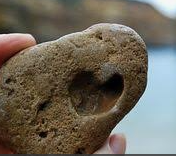
If you have a microscope or good magnifier, put it out today with things like a feather, dead beetle, shell, rock, leaves.  Let the children look at things up close.

Science/Scientific Skills & Methods/ begins to use senses and a variety of tools and simple measuring devices to gather information, investigate materials, and observe processes and relationships.

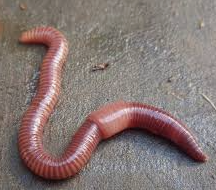
If you have time and you are adventuresome making some sort of animal habitat is easy and interesting. You will have to make it for the children and teach them how to observe the animal or insect without hurting it. Try pillbugs, worms, or an ant farm. https://www.google.com/search?client=safari&rls=en&ei=0eAgXb_jE8Gp_QaBrov4Cg&q=how+to+make+an+ant+habitat&oq=how+to+make+an+ant+&gs_l=psy-ab.1.1.0j0i20i263j0l8.49852.54248..57071…0.0..0.118.564.6j1……0….1..gws-wiz…….0i71j35i39j0i67.T4-zW8CGpZk#kpvalbx=1

Science/Scientific Skills & Methods/ begins to use senses and a variety of tools and simple measuring devices to gather information, investigate materials, and observe processes and relationships.

Music and Movement

Teach the children the song Give a Hoot, Don’t Pollute. https://www.youtube.com/watch?v=gZB7gSQRIuM

Help Woodsy spread the word, never be a dirty bird.

No matter where you go, you can let some people know

Give a hoot, don’t pollute, never be a dirty bird.

In the city or in the woods, help keep America looking good!

Language Development/Listening & Understanding; demonstrates increasing ability to attend to and understand conversations, stories, songs, and poems.

Put on the song If Animals Danced and do the movements with the children. https://www.youtube.com/watch?v=30ePPeUbwSs

Creative Arts/Movement; expresses through movement and dancing what is felt and heard in various musical tempos and styles.

Blocks

Put out any and all rubber animals that you have into the center today and encourage the children to build an animal city.

Approaches to Learning/Initiative & Curiosity; approaches tasks and activities with increased flexibility, imagination, and inventiveness.

Art

Bring in magazines that have pictures of animals (ask a librarian for old magazines that they would otherwise be throwing away. Ask parents to send in any old magazines, cards, or calendars that they might have with animals). Let the children cut out the animals and glue them to a large paper circle as a group project.

Physical Health & Development/Fine Motor Skills; grows in hand-eye coordination in building with blocks, putting together puzzles, reproducing shapes and patterns, stringing beads, and using scissors.

Sand and Water

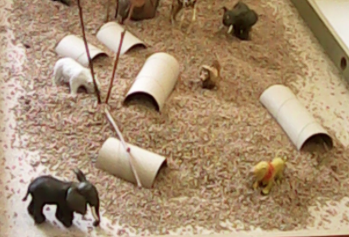
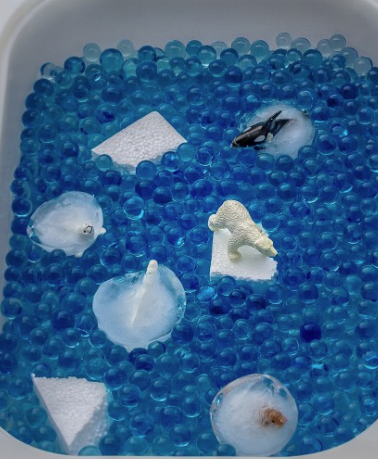
Turn your water table into an animal habitat. Add any small animal manipulatives that you might have. See resources for several examples.

Creative Arts/Dramatic PLay; shows growing creativity and imagination in using materials and in assuming different roles in dramatic play situations.

Library and Writing

Bring in a globe or map of the world.  Show the children where you are located on the globe/map.  Point out any geographical points of interest near you.  (See this blue, that is the ocean.  Look we are close to the ocean. )  Bring in books or pictures that depict animals and birds that are commonly found in your state.  Talk to the children about what the animal is, where it lives, what it eats, have they ever seen one like it?  Look up state bird, animal, flower, etc. to get ideas and pictures.

Social & Emotional Development/Knowledge of Families & Communities; begins to express and understand concepts and language of geography in the contexts of the classroom, home, and community.

Dramatic Play

Bring in any supplies you have that the children can use to play Veterinarian.    Small stuffed animals, doctor kit, disposable masks and gloves, shoe boxes to hold the pets, etc..

Creative Arts/Dramatic PLay; shows growing creativity and imagination in using materials and in assuming different roles in dramatic play situations. AND Social & Emotional Development/Knowledge of Families & Communities; develops growing awareness of jobs and what is required to perform them.

Math and Manipulatives

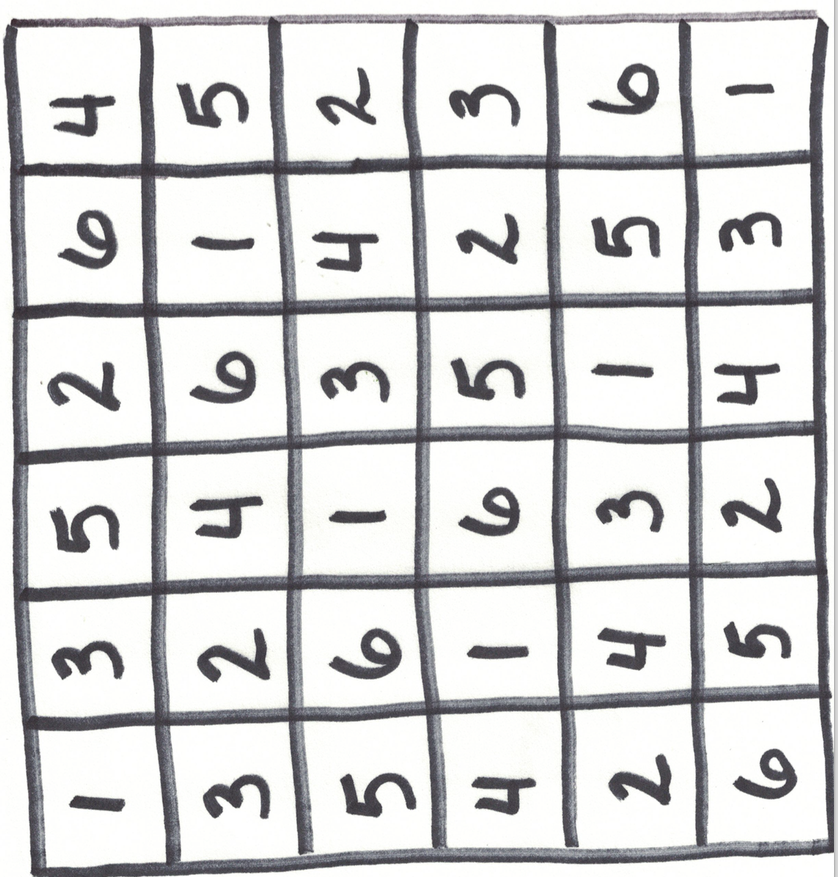
Give each child a number card or a dotted card.  Show the children how to cover the page with another piece of paper except for one row. Take turns having the children roll the dice and then find that number within the row.  Color the square that correlates with the number rolled.   Each paper holds 6 rolls.

Mathematics/Number & Operations; demonstrates increasing interest and awareness of numbers and counting as a means for solving problems and determining quantities.

Outdoor Play

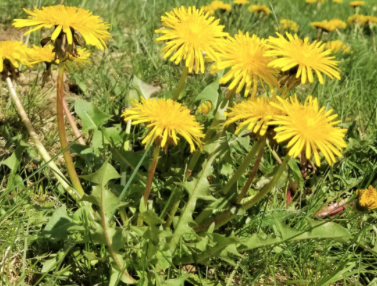
On the playground look for living things. Bring out paper and markers and have the children record by list or drawings all the living things they found. (grass, trees, dandelion, worm, ant, pillbug, butterfly etc.).

Science/Scientific Skills & Methods; develops growing abilities to collect, describe, and record information through a variety of means, including discussion, drawings, maps, and charts.

Transitions

Play Bigger than-Smaller than with the children. Ask a child to name something bigger than a ______(elephant, flower, mouse). Ask another child to name something smaller than a _________(elephant, flower, mouse). Continue until everyone has had a turn. If the children name their something correctly they can move onto the next activity.

Approaches to Learning/Reasoning & Problem Solving; develops increasing ability to find more than one solution to a question, task, or problem.

Resources

toilet tubes for habitat
magic beads add interest to habitat

ocean habitat
blocks of ice to arctic habitat

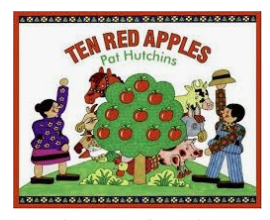
Ten Red Apples, by Pat Hutchins

Counting, rhyming, and animal voices make this a fun story for children to help tell as a farmer watches all the animals come eat from his apple tree.

Materials

  • Several apples of different colors for taste testing
  • 10 index cards each labeled with a number and corresponding dots/apples
  • Apple shape
  • Bingo dauber, stamp pad, or red marker per child

Vocabulary

Before Reading the Story

Open the cover and show the children the pages with all the apple trees and numbers. Count with the children the numbers from the different apple trees.  Explain to the children that you want them to help read the story by repeating the Farmer’s line on each page.  Say the line, “Save some for me”! and have the children repeat.  Tell them that you will let them know when they are to say this line throughout the story.   Practice one more time with the children and then introduce the book.

Literacy/Book Knowledge & Appreciation; shows growing interest in reading related activities, such as asking to have a favorite book read; drawing pictures based on books; choosing books to look at; asking to take books home; going to the library; and engaging in pretend-reading with other children.

Reading the Story

Point to each number on the page so the children notice what the written number looks like as you say the number orally.  On page with number 8 after the farmer says, “Donkey, save some for me”!  Ask the children if they can guess what animal will come next?  If they cannot, tell them to look in the background (behind the farmer) for a clue.  On each page before making the animal voice, ask the children if they know what the animal voice sounds like?

Mathematics/Number & Operations; begins to associate number concepts, vocabulary, quantities, and written numerals in meaningful ways.

After Reading the Story

On the page where it says, “More red apples hanging from the tree…”, point out that the story started with the biggest animal and ended up with the smallest one eating apples.  Point to the horse and say, “tallest”.  Point to the cow and say, “smaller”.  Continue pointing down the progression of animals saying smaller, smaller, smaller, until you get to the chicken and say smallest.    Now tell the children that you are going to try to line up all together from tallest to shortest.  Have two children stand up and ask, “who is taller”?  Have the taller child stand in the first position.  Have another child come up and ask them to stand beside the tallest child and ask, “Is ____ taller or shorter”?  Have the children get into position according to the tallest to the shortest.

Mathematics/Patterns & Measurement; shows progress in using standard and non-standard measures of length and area of objects.

Discovery

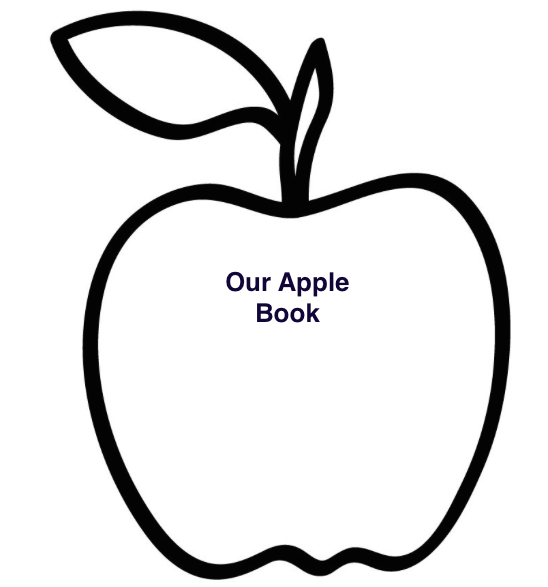
Apple taste and graph favorite color  If you choose to do apple graphing today, teach the children the following verse; Eat an apple save the core.  Plant the seeds and grow some more.  Then give each child a copy of the apple page and ask them which color apple they liked best.  Have the children color their apple accordingly and staple all the pages together to make an apple book.

Social & Emotional Development/Self-Concept; begins to develop and express awareness of self in terms of specific abilities, characteristics, and preferences. AND Literacy/Early Writing; begins to represent stories and experiences through pictures, dictation, and in play.

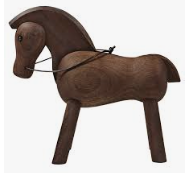
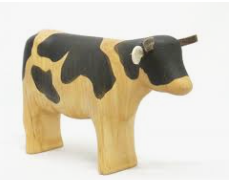
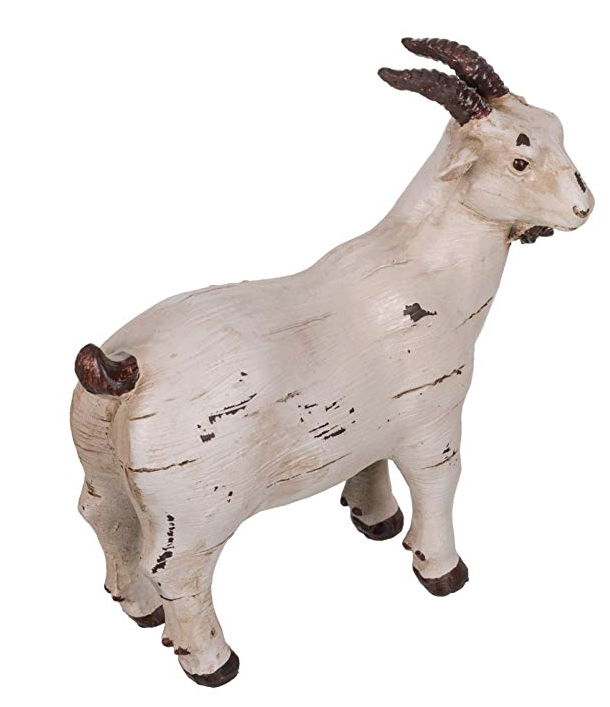
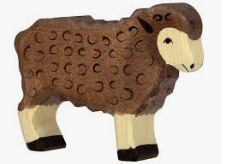
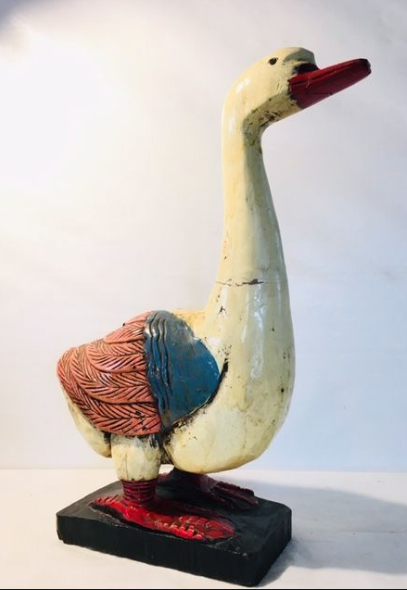
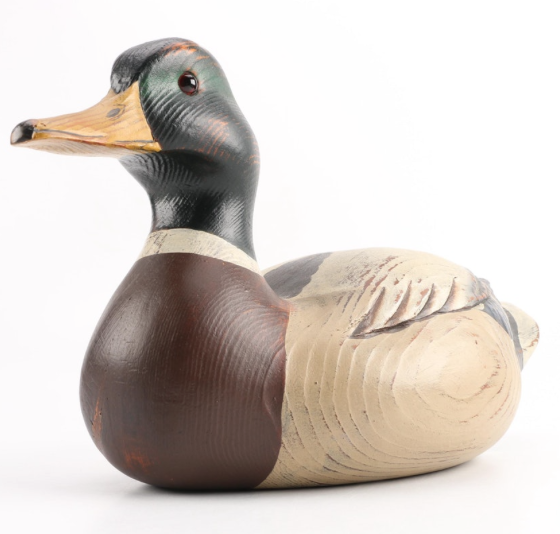
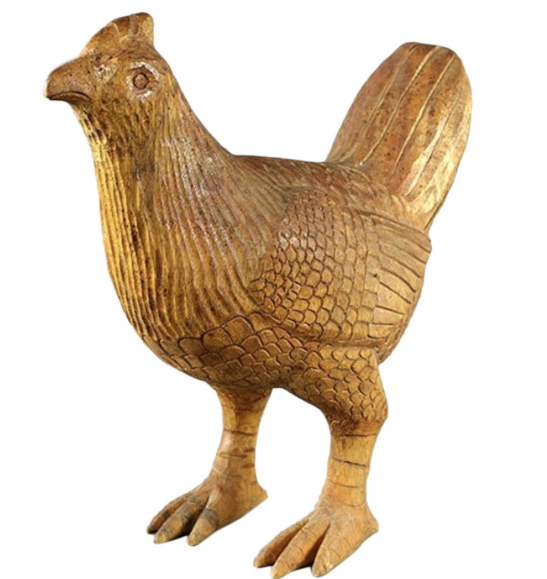
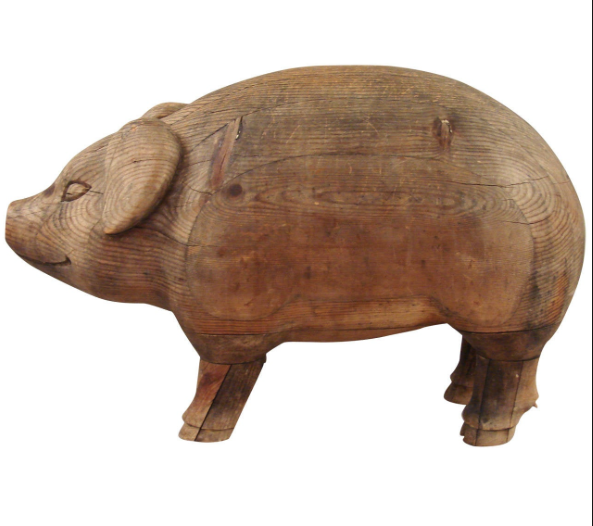
Show the children the pictures of the wooden animals.  Explain that Pat Hutchins drew wooden animals for her story illustrations.  Encourage the children to go about the room looking for other objects made out of wood.

Mathematics/Patterns & Measurement; beins to make comparisons between several objects based on a single attribute.

Music and Movement

Pass an apple like hot potato when the music stops the child holding the apple is out.

Creative Arts/Music; participates with increasing interest and enjoyment in a variety of music activities, including listening, singing, finger plays, games, and performances.

Cut out as many apple shapes as there are children.  On the backside of each apple, make a movement direction (hop on one foot, jump forwards then backwards).  Put the apples on the wall and pretend it is a tree.  Each child gets to pick an apple and the whole group does the movement.

Physical Health & Development/Health Status & Practices; participates actively in games, outdoor play, and other forms of exercise that enhance physical fitness.

Teach the children The Apple Tree finger play.

Way up high in the apple tree                    (Make fists and hold overhead)

Two little apples smiled down on me.

I shook that tree as hard as I could            (Shake fists in air)

Down fell the apples                                     (Bring hands down to lap)

Mmmmm, were they good!                         (Pretend to eat an apple)

Language Development/Listening & Understanding; demonstrates increasing ability to attend to and understand conversations, stories, songs, and poems.

Sing The Farmer in the Dell but change the words to go with the story. https://www.youtube.com/watch?v=m023UjciCpE

First comes the horse, first comes the horse, Hi ho the derry-o, first comes the horse. 

Second comes the cow, second comes the come, hi ho the derry-o, second comes the cow. 

Third comes the donkey

Fourth comes the goat

Fifth comes the pig

Sixth comes the sheep

Seventh comes the goose

Eighth comes the duck

Ninth comes the hen

Last comes the farmer, last comes the farmer, hi ho the derry-o last comes the farmer.

Hold up the corresponding number of fingers as you sing each verse. After singing the farmer verse and you are holding up 10 fingers, ask the children if they know how many fingers this is. Then count backward from 10 to 1.

Mathematics/Number & Operations;begins to associate number concepts, vocabulary, quantities, and written numerals in meaningful ways.

Blocks

If you have wooden people and farm animals, add them to the block center today. 

Physical Health & Development/Fine Motor Skills; grows in hand-eye coordination in building with blocks, putting together puzzles, reproducing shapes and patterns, stringing beads, and using scissors.

Art

Make red play dough and add cinnamon for scent. (Uncooked Playdough 1 cup plain flour. 1/4 cup salt. 1 tablespoon cooking oil. A few drops of food colouring. 1/2 cup water. Mix dry ingredients, make a mound and then scoop a hole in the center of the mound. Slowly add the oil and water. This will be sticky at first but as you need it it will become pliable. Work until playdough consistency).

Science/Scientific Skills & Methods; begins to use senses and a variety of tools and simple measuring devices to gather information, investigate materials, and observe processes and relationships.

Give each child a copy of one of the wooden animals.  Have them draw an apple tree and then glue their animal underneath.

Literacy/Early Writing; begins to represent stories and experiences through pictures, dictation, and in play.

Sand and Water

Put out many puffballs into the table today along with tongs. On index cards, write the numbers 1-10 and also represent with dots/apples. Add several bowls.  Show the child how to pick up a number card and then use the tongs to collect that many puffballs to put into their bowl.

Mathematics/Number & Operations; begins to make use of one-to-one correspondence in counting objects and matching groups of objects.

Library and Writing

Make a second set of animal cards and write the name of each animal underneath in a print form that you are teaching the children (capital w/ lower, all capitals, all lower).  Put out paper and writing tools and encourage  the children to practice writing the various animal names.  Encourage the children to make illustrations as they write their words.

Literacy?Early Writing; progresses from using scribbles, shapes, or pictures to represent ideas to using letter-like symbols, to copying or writing familiar words such as their own name.

Dramatic Play

If you have any plastic apples, add them to the center today along with a basket.

Math and Manipulatives

Give each child an apple shape and a bingo dauber, stamp pad, or colored marker. Have the children take turns rolling the dice and then adding that many “apples” to their tree. Continue letting the children take turns until they grow tired.

Mathematics/Number & Operations; begins to make use of one-to-one correspondence in counting objects and matching groups of objects.

Use the apple pattern page to cut out and color the apples 3 different colors that you are working on as a class.  Make simple patterns for the children to copy (red, blue, blue, red, blue, blue/yellow, green, red, yellow, green, red).

Mathematics/Patterns & Measurement; enhances abilities to recognize, duplicate, and extend simple patterns using a variety of materials.

Outdoor Play

Put 3 hoola hoops in a row on the ground, or draw 3 circles on the pavement in a row.  The teacher names a category and the child must jump into each circle and name something that belongs in that category.  The child will name three things, one in each circle.  Categories can include such things as; farm animals, fruits, things you can make from apples, colors you are wearing, three friends, things we eat for lunch, letters of the alphabet.

Approaches to Learning/Reasoning & Problem SOlving; develops increasing ability to find more than one solution to a question, task, or problem.

Transitions

The teacher holds her hands over her head and says’ “One to three, count for me” and unfolds one or both hands revealing a number of fingers to be counted by the child.

Mathematics/Number & Operations; begins to make use of one-to-one correspondence in counting objects and matching groups of objects.

Resources
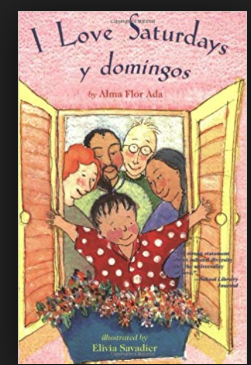
I Love Saturdays and domingos, by Alma FLor Ada

Most everyone enjoys the weekends.  In this story a little girl spends Saturdays with her grandparents who come from a European-American background and Sundays she spends with her grandparents who come from a Mexican-American background.  The activities they do are similar and yet different.  The little girl knows that both are good ways and that both sets of grandparents love her very much.

Materials

  • Gallon milk jug or piñata
  • People shaped cookie cutters or various sizes
  • Dollhouse if possible with furniture
  • Pictures of Grandparents and Grandchildren
  • Old and new pictures for sorting

Vocabulary

  • There are many Spanish words dispersed within the story. 
  • Abuelita y Abuelito  (Grandmother and Grandfather in Spanish)
  • Seashore (another word for the beach at the ocean)
  • Aquarium (a place where fish live)

Before Reading the Story

Ask the children if anyone has Grandparents who live by or visit them?  Allow the children to talk about their Grandparent experiences.  ( My Gradma came to my house for Christmas.  My Grandpa took me fishing).   Ask the children if anyone knows how they are related to you?  These are your parents, parents.  Your Mom and Dad are their babies, just like you are your Mom and Dad’s baby.

Language Development/Speaking & Communicating; develops increasing abilities to understand and use language to communicate information, experiences, ideas, feelings, opinions, needs, questions; and for other varied purposes.

Reading the Story

Practice reading the story so that you can properly pronounce the words in Spanish.  Invite someone who is bi-lingual to read the story for you today.

After Reading the Story

Go back through the pictures and talk about how each set of grandparents does something similar but a little different.  Explain that both ways are good because the little girl knows that each set of grandparents loves her very much.  After discussing all the things the grandparents did with the girl, ask the children to tell you something that they would like to do with a grandparent.  Write their answers on a sheet of paper and title it, My Grandparent List.  Hang it on the wall for parents to see.  (I wish my Grandma would bake me cookies, I wish my Grandparents would take me to the seashore).

Literacy/Print Awareness & Concepts; develops growing understanding of different functions of forms of print such as signs, letters, newspapers, lists, messages, and menus.

Discovery

Sort pictures of old and new objects.

Mathematics/Patterns & Measurement; shows increasing abilities to match, sort, put in a series, and regroup objects according to one or two attributes such as shape or size.

Music and Movement

These are Grandma’s Spectacles finger play

These are Grandma’s spectacles , Make circles over eyes with fingers touching thumbs. And this is Grandma’s hat. Put hands on head to make a little hat. And here’s the way she folds her hands, Fold hands onto lap. To take a little nap. Rest chin on chest and pretend to snore.

Creative Arts/Music; participates with increasing interest and enjoyment in a variety of music activities, including listening, singing, finger plays, games, and performances.

Tell the children that you are going to pretend to go to Grandparents house.  Move across the room by jumping.  Have the children follow you.  Now take turns picking children to show other ways to move across the room to go to Grandparents home. (skip, backwards, crawl, tiptoe).

Physical Health & Development/Gross Motor SKills; shows increasing levels of proficiency, control, and balance in walking, climbing, running, jumping hopping, skipping, marching, and galloping.

Sing Mi Casa, My House  https://www.youtube.com/watch?v=NaTgmKVtf1o

Language Development/Listening & Understanding; understands an increasingly complex and varied vocabulary.

Sing We Are A Family by Jack Hartmann and teach the children the sign language that goes along.  https://www.youtube.com/watch?v=foptl0BeXnY

Language Development/Listening & Understanding; understands an increasingly complex and varied vocabulary.

Blocks

Encourage the children to build houses today for the people set.  Can they make beds and chairs that will fit the people from blocks?

Approaches to Learning/Reasoning & Problem Solving; develops increasing ability to find more than one solution to a question, task, or problem. AND Mathematics/Pattern & Measurement; shows progress in using standard and non-standard measures for length and area of objects.

Art

Cut or tear pictures of people from magazines and make a family collage.

Physical Health & Development/Fine Motor Skills; grows in hand-eye coordination in building with blocks, putting together puzzles, reproducing shapes and patterns, stringing beads, and using scissors.

Bring in various sizes of people cookie cutters for the children to use today.  As they play with the dough, talk to them about what they like to do with their family and grandparents.

Language Development/Speaking & Communicating; develops increasing abilities to understand and use language to communicate information, experiences, ideas, feelings, opinions, needs, questions; and for other varied purposes.

Allow the child to paint their hand using the easel paint and brushes.  Once their hand is covered with paint, they can make prints on the easel paper.  Suggest they paint their fingers different colors than their palm. Although this is messy, many children like this sensory experience.

Creative Arts/Art; begins to understand and share opinions about artistic products and experiences.

Sand and Water

Put damp sand in the table today along with small cars and boxes.  The children can pretend that the boxes are homes and drive their cars to Grandparents home. Ask them what they might see on the way to Grandparents home and encourage them to make these geographical structures in the sand. (When I go to Grandpa’s house there are mountains all around. My Grandparent lives near the lake).

Social & Emotional Development/Knowledge of Families & Communities; begins to express and understand concepts and language of geography in the contexts of the classroom, home, and community.

Library and Writing

Ask each child to tell you something that they like to, or would like to do, with their grandparent.  Write it on a piece of paper and then ask the child to illustrate it.  If they have no experience with a Grandparent, have them do the same activity using a parent of adult friend.

Literacy/Early Writing; begins to represent stories and experiences through pictures, dictation, and in play. AND Social & Emotional Development/Knowledge of Families & Communities; develops ability to identify personal characteristics, including gender and family composition.

Dramatic Play

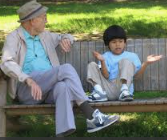
Add pictures of Grandparents and Grandchildren to help stimulate play today.

Approaches to Learning/Initiative & Curiosity; grows in eagerness to learn about and discuss a growing range of topics, ideas, and tasks.

Bring in a variety of play telephones so the children can pretend to call their grandparents. Call out numbers for them to dial. Do they recognize the written numerals?

Mathematics/Number & Operations; begins to associate number concepts, vocabulary, quantities, and written numerals in meaningful ways.

Math and Manipulatives

Bring out the Unifix cubes and a dice today.  Have a child roll the dice and build a tower with that many Unifix cubes.  Go around the circle taking turns rolling the dice and adding that many cubes to their tower.  After five rolls, stop and compare the towers.  Who has the tallest tower? The shortest?  Do it again but this time have the children lay their stack down on the table as they build it.  Who has the longest, the shortest? Have the children count the number of Unifix cubes in their tower.

Mathematics/Geometry & Spatial Sense; builds an increasing understanding of directionality, order, and positions of objects, and words such as up, down, over, under, top, bottom, inside, outside, in front, and behind.

Outdoor Play

Trace around each child’s body using chalk on a sidewalk.  Let the children use the colored chalk to decorate their body if they choose. 

Social & Emotional Development/Self-Concept; begins to develop and express awareness of self in terms of specific abilities, characteristics, and preferences.

If possible, bring a piñata outside with you today.  Let the children take turns trying to hit it.  If you do not have a piñata, hang an empty gallon milk jug from a branch and pretend that it is a piñata.

Physical Health & Development/Gross Motor Skills; demonstrates increasing abilities to coordinate movements in throwing, catching, kicking, bouncing balls, and using the slide or swing.

Transitions

Play Name Something. Take turns asking the children something they like to do with their, parent, grandparent, friend, and alone.

Approaches to Learning/Reasoning & Problem Solving; develops increasing ability to find more than one solution to a question, task, or problem. AND Social & Emotional Development/Self-Concept; begins to develop and express awareness of self in terms of specific abilities, characteristics, and preferences.

Resources