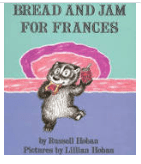
Bread and Jam for Frances, by Russell Hoban

What do you do with a picky eater? Frances will only eat bread and jam, find out how her parents get her to try new foods without a battle of wills.

Materials

  • Paper coffee cups
  • Box of Cheerios
  • 12” lengths of yarn, one per child.
  • Plastic foods
  • Basket
  • Pillowcase
  • Ingredients for play dough
  • Toaster and loaf of bread to make toast
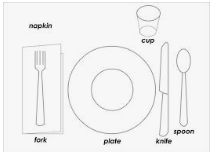
  • Copies of placemat for dramatic play

Vocabulary

  • Jam (another name for jelly or fruit spread).
  • Picky eater ( a fussy eater.  Someone who only likes certain foods and will not even try others)

Before Reading the Story

Tell the children that you want to make a list of their favorite foods. On a piece of paper write; A Few of Our Favorite Foods. Ask each child to name their most favorite food and write it on the paper. (Ali likes tuna fish, Tonaya likes macaroni and cheese). When you are finished, hang the list on the wall.

Literacy/Print Awareness & Concepts; develops growing understanding of the different functions of forms of print such as signs, letters, newspapers, lists, messages, and menus.

Reading the Story

On page 9, ask the children why Gloria was sitting in a high chair?  Does this mean that she is a big or little sister?  How many people are in the family?  On the pages where Frances is singing, make up a simple tune and sing the words.

Mathematics/Patterns & Measurement; begins to make comparisons between several objects based on a single attribute.

After Reading the Story

Talk to the children about your school cook. Explain that he/she works very hard to make nutritious and yummy foods for you all to eat. Ask the children to name some of their favorite school lunches. Take a piece of paper and write a thank you note to your cook with the list of favorite meals. Read your letter back with the children see if they can recognize their name in print (Andres likes your tomato soup and grilled cheese sandwiches).

Social & Emotional Development/Self-Concept; begins to develop and express awareness of self in terms of specific abilities, characteristics, and preferences. AND Literacy/Print Awareness & Concepts; shows progress in recognizing the association between spoken and written words by following print as it is read aloud.

Discovery

Make play dough with the children.  Let children make in plastic zip lock bags.  1 cup flour, ¼ cup salt, ¼ cup water.  Seal bag and knead.  Add more water a little at a time until dough is workable and not sticky.  If you do not add food coloring it will look like bread dough and have a similar consistency to bread dough.

Approaches to Learning/Engagement & Persistence; grows in abilities to persist in and complete a variety of tasks, activities, projects, and experiences.

Make toast with the children. Talk about the differences in the bread before and after being toasted.

Science/Scientific Skills & Methods; develops increased ability to observe and discuss common properties, differences, and comparisons among objects and materials.

Music and Movement

Sing the Yum, Yum, Song with your children. Explain that this is a call back song. You will sing a line and the children will repeat it back. https://www.youtube.com/watch?v=3w3LbIZAqMw

Language Development/Listening & Understanding; demonstrates increasing ability to attend to and understand conversations, stories, songs, and poems.

Sing, I Like to Eat Apples and Bananas. http://apples and bananas raffi

Literacy/Phonological Awareness; associates sounds with written words, such as awareness that different words begin with the same sound.

Play the following chant game with the children. It begins with /j/ and ends with /am/, put it together and it says jam.  It begins with /b/ and ends with/air/, put it together and it says bear!  Continue using one syllable words.

Literacy/Phonological Awareness; shows growing ability to hear and discriminate separate syllables in words.

Blocks

Play a game, which loaf of bread is longer?  Tell the children that you are going to pretend that the rectangle blocks are loaves of bread.  Have them gather many rectangle blocks.  Ask them to show you which rectangle is longest, shortest.  How many short rectangles does it take to make the long rectangle loaf of bread?  Can you take the rectangle loaves of bread and make a square loaf?  How many loaves did it take?  Now try to make a triangle loaf of bread, how many loaves did this take? For older children add a ruler and ask them if they can name the number of inches long that each loaf of bread is.

Mathematics/Pattern & Measurement; shows progress in using standard and non-standard measures for length and area of objects. AND Mathematics/Geometry & Spatial Sense; progresses in ability to put together and take shapes apart.

Art

Put out large pieces of brown construction paper cut into bread slice shapes.  Put out red, purple, and orange paint to be ‘jam’.  The children can paint the bread.

Creative Arts/Art; gains ability in using different art media and materials in a variety of ways for creative expression and representation.

Cut out bread shapes from white construction paper.  Cut out many 1 inch squares from red, orange, and purple tissue paper.  Put out bowls of school glue.  Child paints with the school glue onto the bread shape and then takes a  piec of tissue paper and lays it on the glue.  Continue adding glue and tissue paper until the entire slice of bread is covered.  When it is dried, trim the edges so it retains the sliced bread shape and hang in a window to reveal all the colors.

Creative Arts/Art; gains ability in using different art media and materials in a variety of ways for creative expression and representation.

Sand and Water

Sand today with bread pan, colander, flour sifter, measuring cups and measuring spoons.

Creative Arts/Dramatic Play; shows growing creativity and imagination in using materials and in assuming different roles in dramatic play situations.

Library and Writing

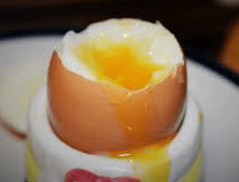
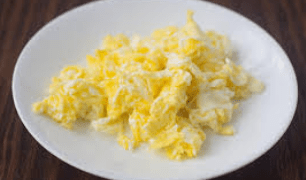
Ask the children which is their favorite kind of egg.  Copy each kind of egg and the children can write their name on the page of the one that they like best.

Literacy/Early Writing; progresses from using scribbles, shapes, or pictures to represent ideas, to using letter-like symbols, to copying or writing familiar words such as their own name. AND Social & Emotional Development/Self-Concept; begins to develop and express awareness of self in terms of specific abilities, characteristics, amd preferences.

Dramatic Play

Sandwich shop play.  Provide paper coffee cups, cash register, play money, and menu with pictures cut out and glued to cardboard of sandwiches and other lunch items. Write the name of the item beside.

Literacy/Print Awareness; develops growing understanding of the different functions of forms of print such as signs, letters, newspapers, lists, messages, and menus. AND Creative Arts/Dramatic Play; participates in a variety of dramatic play activities that become more extended and complex.

Practice setting the table for a meal.

Mathematics/Geometry & Spatial Sense; begins to determine whether or not two shapes are the same size and shape.

Math and Manipulatives

Tell the children that cereal is also a breakfast food.  Give each child a 12 inch piece of yarn with masking tape wrapped around one end.  Have the children string cheerios onto the yarn.  When finished, tie off for simple necklace.

Physical Health & Development/Fine Motor Skills; grows in hand-eye coordination in building with blocks, putting together puzzles, reproducing shapes and patterns, stringing beads, and using scissors.

Ask to have a snack today that would require the children to use a plastic knife to spread.  Bread and jam, bagel and crème cheese, cracker and hummus.

Physical Health & Development/Fine Motor Skills; grows in hand-eye coordination in building with blocks, putting together puzzles, reproducing shapes and patterns, stringing beads, and using scissors.

Outdoor Play

Bring out jump ropes. Have two children hold the rope and others jump OVER the rope.  Raise two inches, jump over the rope.  Continue jumping OVER the rope at higher and higher intervals.

Physical Health & Development/Gross Motor Skills; shows increasing levels of proficiency, control, and balance in walking, climbing, running, jumping, hopping, skipping, marching, and galloping.

Transitions

Put all your plastic foods into a pillow case.  The children take turns putting their hand into the pillowcase and grabbing a food item.  When they pull it out, they must name it and then toss it into a basket about 5 feet away. For children who are very familiar with the names of your plastic food items, ask them to describe something about the food. (It’s an apple, it’s crunchy. It’s peas and I like them!).

Physical Health & Development/Gross Motor Skills; demonstrates increasing abilities to coordinate movements in throwing, catching, kicking, bouncing balls, and using the slide and swing. AND Language Development/Speaking & Communicating; uses an increasingly complex and varied vocabulary.

Resources
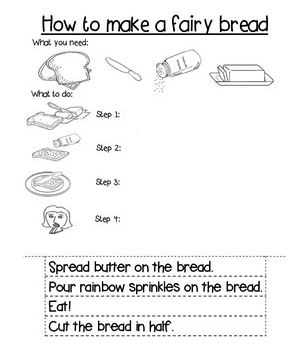
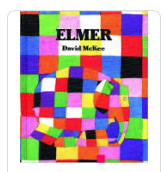
Elmer, by David McKee

Elmer is not your typical elephant, he sticks out from the rest. This is a story that teaches children to accept and value others for their unique characteristics and to take pride in being yourself.

Materials

  • Many colors of tissue paper cut into one inch squares
  • Template of Elmer the Elephant to use with art
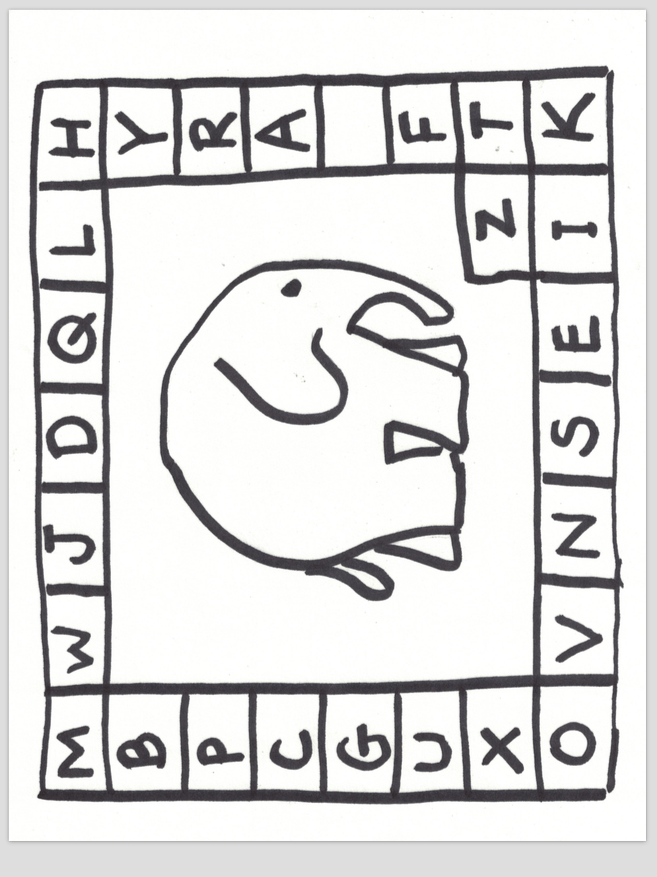
  • Seek & Find Alphabet page
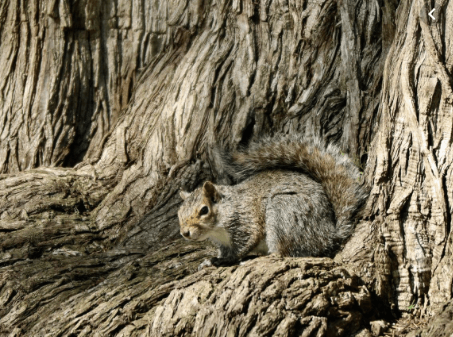
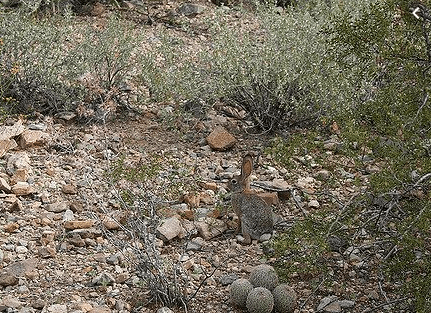
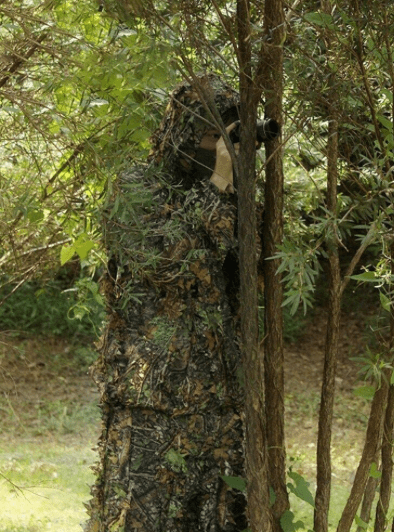
  • Camouflage animal cards

Vocabulary

  • Absolutely (entirely or extremely)
  • Camouflage (to be able to hide in plain sight)
  • Enormous (very, very large)
  • Unique (original, one of a kind)

Before Reading the Story

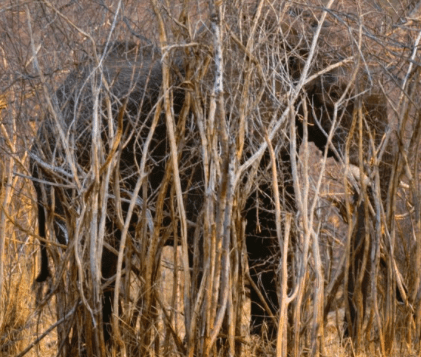
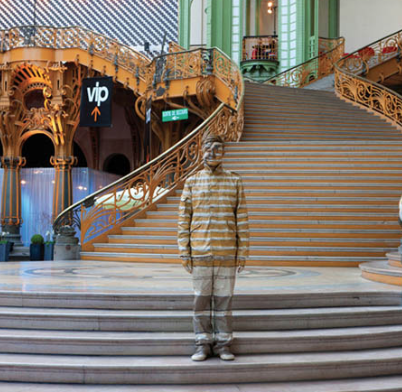
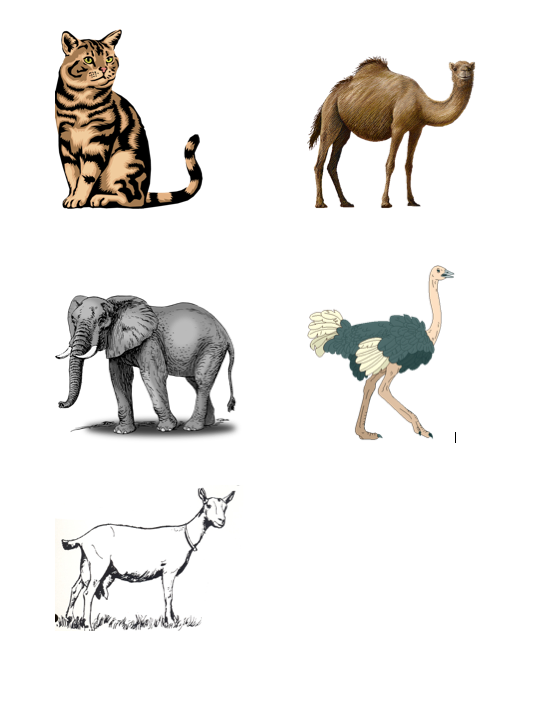
Ask the children if they know what the word camouflage means. Show them the pictures of the camouflaged animals one at a time and see if they can find the animal. After you have shown them the cards, show the children the cover of the book. Ask them if they can tell what kind of animal the story is about today. Introduce the book.

Science/Scientific Knowledge; expands knowledge of and abilities to observe, describe, and discuss the natural world, materials, living things, and natural processes.

Reading the Story

When you get to the page where  Elmer was looking for the bush covered with elephant-colored barriers , ask the children what do you think Elmer is going to do?  Why do you think Elmer is doing this?

Literacy/Book Knowledge & Appreciation; demonstrates progress in abilities to retell and dictate stories from books and experiences; to act out stories in dramatic play; and to predict what will happen next in a story.

After Reading the Story

In the story, Elmer is part of a herd of elephants. Tell the children that your class is kind of like a herd. You are all part of the same group and each contribute something special to the herd/group. Talk about how each member of the group brings something special. Go around the circle and say something special about each child (Lee has a pretty singing voice, Michael always has a smile, Lolly shares when she plays, and Danny is good at saying please and thank you). Ask the children if they can think of anything else special about themselves that they would like to share (My Mom says I’m beautiful, I know how to make burritos in the microwave).

Discovery

Add any books that you might have about animals that camouflage or elephants.

Literacy/Book Knowledge & Appreciation; shows growing interest in reading-related activities, such as asking to have a favorite book read; choosing to look at books; drawing pictures based on stories; asking to take a book home; going to the library; and engaging in pretend-reading with other children.

Music and Movement

Elmer is part of a herd of elephants.  Try moving around the room or on the way to the playground as a herd (sticking close together).

Teach the children the Elephants Have Wrinkles song. https://www.youtube.com/watch?v=KJonGSbUWXE

Put on the Youtube song, Colors, by Learning Station. https://www.youtube.com/watch?v=FZJFzUzulXA

Teach the children the song, One Elephant Went Out to PLay. https://www.youtube.com/watch?v=wQf6yWEScB8

1 Elephant went out to Play,

Went out to play

Upon a spider’s web one day.

He had such enormous fun,

He called for another elephant to come… “Oh, ELEPHANT!”

Two elephants…

Three elephants…

Four elephants…

Five elephants went out to play

Upon a spider’s web one day.

The web went creak, the web went crack.

And all of the elephants went KERSPLAT!

Blocks

Put out your one-inch cubes. Make cards showing the numbers 1-10. The child picks up a card and must stack that many cubes. Encourage them to not to put two of the same color cubes side by side.

Mathematics/Number & Operations; begins to use one-to-one correspondence in counting objects and matching groups of objects.

Art

Cut out simple elephant shapes for the easel. Put out red, yellow, and blue paint. The children can experiment mixing colors.

Science/Scientific Skills & Methods; begins to use senses and a variety of tools and simple measuring devices to gather information, investigate materials, and observe processes and relationships.

Cut out many 1-inch squares from colored tissue paper. Put school glue into cups, one cup per child along with a small paintbrush. Give each child an Elephant template. Show the children how to paint the glue onto the paper and then put a piece of tissue paper on top of the glue. Encourage the children to fill the entire elephant shape with tissue paper squares. When it is dry, cut out the elephant shapes and hang them on the wall.

Physical Health & Development/Fine Motor Skills; progresses in abilities to use writing, drawing, and art tools, including pencils, markers, chalk, paint brushes, and various types of technology.

Sand and Water

Add any item you have that is multicolored and the children can scoop or pour. I like to use the water beads that swell up. These are fun for the children to scoop and put into bowls.

Library and Writing

Put your capital magnet letters into a bowl and give each child an elephant alphabet card. Have the children take turns picking a letter, naming it, and then finding it on their page to color. Encourage them to color like a patchwork where no two same colors are touching.

Literacy?Alphabet Knowledge; identifies at least 10 letters of the alphabet, especially those in their own name. AND Physical Health & Development/Fine Motor Skills; progresses in abilities to use writing, drawing, and art tools, including pencils, markers, chalk, paint brushes, and various types of technology.

Dramatic Play

If you have any patchwork blankets or clothing, make note of it to the children. Encourage the children to speak kindly to one another.

Social & Emotional Development/Social Relationships; shows progress in developing friendships with peers. AND Social & Emotional Development/Cooperation; shows increasing abilities to use compromise and discussion in working, playing, and resolving conflicts with peers.

Math and Manipulatives

Put out Duplos or Legos. Show the children the cover of the Elmer story and say, “Elmer was made of patchwork, can anyone guess what this means”? If the children do not know, explain that patchwork means to be made of many colors and that no two of the same color can touch. Challenge the children to make a patchwork using the Duplos or Legos. Leave the book in the center to give the children guidance.

Creative Arts/Art; gains ability in using different art media and materials in a variety of ways for creative expression and representation. AND Approaches to Learning/Engagement & Persistence; demonstrates increasing ability to set goals and develop follow through on plans.

Outdoor Play

Play a color game today. Call out colors and actions to go along with. If you are wearing red, jump up and down, if you are wearing blue run to the tree and back.

Language Development/Listening & Understanding; shows progress in understanding and following simple and multiple-step directions.

Transitions

Tell the children that elephants are really, really big. Another word for this is ‘Enormous’. Ask the children to name enormous objects as they go off to the next activity. Have them answer you in a full sentence. A __________ is enormous.

Language Development/Speaking & Communicating; progresses in clarity of pronunciation and towards speaking in sentences of increasing length and grammatical complexity.

Resources

Enlarge and use for tissue paper art

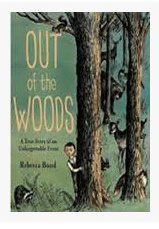
Out of the Woods, By Rebecca Bond

A forest fire brings animals and people together in an unlikely place. This is a real story of an unforgettable event.

Materials

  • A bag of thin sticks, 3-8 inches long (use a fallen branch and break into many smaller sticks)
  • Small disposable drinking cups
  • A gallon of school glue
  • An index card for each child with their name written upon it. If you have access to a camera, you can add a picture of the child also.
  • 2 sets of Forest Animal Cards
  • 1 set of other animal cards
  • I set of jumping bean cards

Vocabulary

  • Unforgettable Event- something you do not forget, even when you are old.
  • Hotel-a place where people can stay for a vacation or for a longer time.
  • Stoking a stove-to put the wood into the stove and make the fires in the stoves before there was electricity.
  • Boisterous-noisy and over the top, crazy
  • Dense-thick with lots and lots of trees

Before Reading the Story

Before reading the story, spend a few minutes talking to the children about fire safety. Explain that there are several rules one should always follow if there is a fire. 1. Don’t be scared, be smart. 2. Never hide, get outside and get outside quickly. 3. Sit and wait outside until your parent/an adult tells you it’s all safe. 4. If it’s smoky crawl on your knees. Have the children repeat the rules back to you as you say them. Tell the children that your story today is about a little boy who’s home got caught in a forest fire. Encourage the children to think about the fire safety rules you have just talked about as you read the story.

Physical Health & Development/Health Status & Practices; builds awareness and ability to follow basic health and safety rules such as fire safety, traffic and pedestrian safety, and responding appropriately to potentially harmful objects, substances, and activities.

Reading the Story

When you get to the page where Antonio is looking into a travelers room, ask the children if they think that Antonio should go into the room to explore or not? Why? (“It’s not his room”, “I’m not allowed to be near a gun”, “The man might get mad”, “My big brother would go in the room and see the fishing stuff cause he likes to fish”.) On the page where everyone is standing in the lake, ask the children if they can find the baby, find Antonio and his mother. Ask them if they remember what fire safety rules Antonio and all the people were remembering. (Never hide, get outside and get outside quickly). When you get to the page where the animals come out into the water with the people, ask the children why they think this is happening? (Water puts out forest fires so all are safest in the water). Explain that all the people and animals were remembering rule #1, don’t be scared, be smart.

Literacy/Book Knowledge & Appreciation; shows growing interest  and involvement in listening to and discussing a variety of fiction and non-fiction, and poetry.  

After Reading the Story

Go over the four fire safety rules with the children. Did the people in the story follow any or all of them? Talk to the children about your fire safety plan. Make sure they understand what they are to do when they hear the school fire alarm sound. Talk about the importance of staying as a group and walking out of the building. Use a bell or another sound to make a mock fire drill and practice it with the children.

Physical Health & Safety/Health Status & Practices; builds an awareness and ability to follow basic health and safety rules such as fire safety, traffic and pedestrian safety, and responding appropriately to potentially harmful objects, substances, and activities.

Discovery

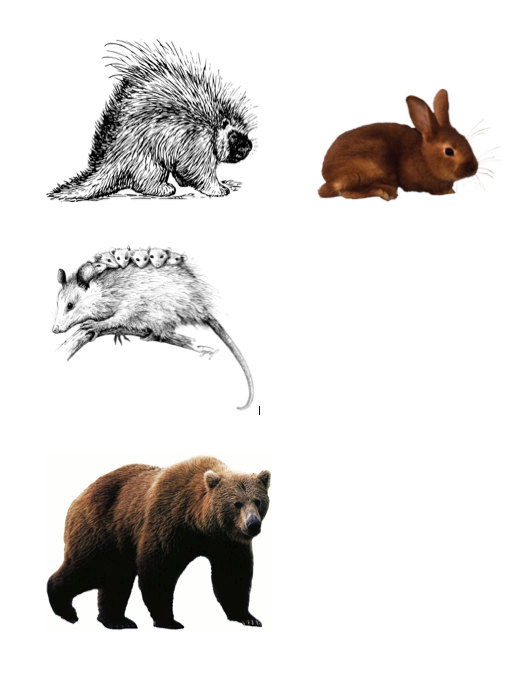
Make a copy of the forest animal cards and the other animal’s card. Put out a piece of paper with a line down the middle. On one half write ‘forest animals’, on the other write ‘not forest animals’. Have the children sort the cards accordingly.

Mathematics/Patterns & Measurement; shows growth in matching, sorting, putting together in a series, and regrouping objects according to one or two attributes such as color, shape, or size.

Music and Movement

Make one copy of the forest animal cards. Cut out and put into a container that the children cannot see inside. As you put them in, have the children name the animal. Add one jumping bean card per three children. Put these into the container also. The children take turns picking out a card and naming the animal. If they pick out a jumping beans card, they shout “Jumping Bean!” and everyone gets up and jumps. Continue until everyone has had or turn or the children grow tired of playing.

Language Development/Listening & Understanding; shows progress in understanding and following simple, and multiple-step directions.  AND  Social & Emotional Development/Cooperation; develops increasing abilities to give and take in interactions; to take turns in games or using materials; and to interact without being overly submissive or directive.

Blocks

If you have fire trucks add them to the center today. Encourage the children to build a firehouse that the trucks can go inside of.

Mathematics/Geometry & Spatial Sense; begins to be able to determine whether or not two shapes are the same size and shape.

Art

Pour school glue, an inch or two into the disposable cups. Let the children add sticks into the cup and leave it until it dries. This will take several days. After it is dry, show the children how to take a paintbrush, dip it into a color of paint, and allow it to drip over the sticks.   When they are dry, group the cups together for a 3d modern art forest sculpture.  Ask the children if they think it looks like a forest, why or why not? 

Creative Arts/Art; begins to understand and share opinions about artistic products and experiences.

Library and Writing

Put out cards with the words EXIT and 911 on them for the children to practice copying. Talk to the children as they write about the importance of these two ‘words’. EXIT, find the exit and explain that in an emergency to look for the EXIT sign to get out of a building quickly. 911 are the numbers you call in case of an emergency. Talk about what is an emergency and whom one would ask for when they call 911.

Literacy/Early Writing; progresses from using scribbles, shapes, and pictures to represent ideas, to using letter-like symbols, to copying or writing familiar words such as their name.

Sand and Water

Fill the table with a very small amount of water. Add rubber style animals and people that you might have. Encourage the children to stand an animal next to a person. Can they name all the animals in the water? Can they tell you anything about what happened in the story that put the animals and people in the water or what happened after the fire went out?

Literacy/Book Knowledge & Appreciation; demonstrates progress in abilities to retell and dictate stories from books and experiences; to act out stories in dramatic play; and to predict what will happen next in a story.

Dramatic Play

Add any play tools that you might have so the children can help maintain the center and fix the broken chair or door to the stove. As they play, ask them to name the different tools, do they know what they are used for?

Social & Emotional Development/Knowledge of Families & Communities; develops a growing awareness of jobs and what is required to perform them.

Math and Manipulatives

Lay several of the name index cards on the table saying and pointing out whose name is on each card. Ask a child to pick a card from the pile. Can they name the name on the card? Ask them to put it onto the table with the others ones but in a specific location. (Can you put Ryan’s card under the card that says Paula, can you put Alison’s card next to the card that says Sean?). Continue, naming the cards and putting them in positional places on the table with the other cards (under, over, next to, beside, on top, underneath).

Mathematics/Geometry & Spatial Sense; builds increasing understanding of directionality, order, and positions of objects, and words such as up, down, over, under, top, bottom, inside, outside, in front, behind.  AND Literacy/Alphabet Knowledge; Knows the letters of the alphabet are a special category of visual graphics that can be individually named.

Outdoor Play

As you prepare to go outside, remind the children that in the story Antonio loved to look for signs of animals when he went outside. Challenge the children to look for sign so of animals on your playground. Encourage them to look carefully at the ground for signs of insects or, squirrels, birds, or any other creature that you are lucky enough to find.

Science/Scientific Knowledge; expands knowledge of and abilities to observe, describe, and discuss the natural world, materials, living things, and natural processes.

Transitions

Ask the children if they can remember the 4 rules of fire safety?  Help them if they cannot.  Number four is, “If it’s smokey, crawl on your knees”.  Have the children crawl to the next activity.

Physical Health & Safety/Health Status & Practices; builds an awareness and ability to follow basic health and safety rules such as fire safety, traffic and pedestrian safety, and responding appropriately to potentially harmful objects, substances, and activities.

Dear parent, today we read a story about a forest fire and how all the animals and people stayed safe. There is a good link for talking to your child about forest fire safety. Check out the web site; www.smokeybear.com.

Resources
Screen Shot 2018-08-18 at 5.28.36 PM
Screen Shot 2018-08-18 at 5.28.12 PM
Screen Shot 2018-08-18 at 5.27.51 PM
Screen Shot 2018-08-18 at 5.32.05 PM