Round is a Tortilla; a Book about shapes by R. Greenfield Thong

A little girl finds shapes everywhere in her home environment.  This book is a good reinforcement to noticing the many shapes in our world.

Materials

  • Child picture
  • Several small empty and clean cans (such as tomato sauce or paste)
  • Several small empty and strong boxes (such as jewelry)
  • Pool noodle cut into 2-inch sections.
  • Pieces of felt cut into shapes of pizza ingredients

Vocabulary

There is a glossary in the back of the book to help define the many Spanish words throughout the story.

Before Reading the Story

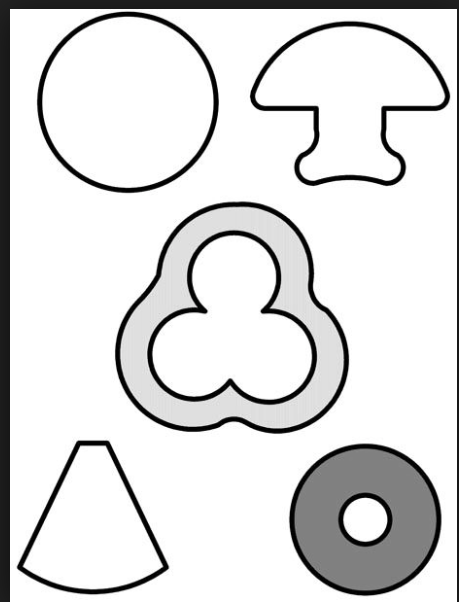
Ask the children if they can draw a circle shape in the air. Now you draw a circle in the air while saying ”a circle has no sides, it just goes round and round”.  Have the children draw another circle in the air.  Ask the children if they can draw a square in the air.  Now you draw a square in the air and say, “a square has four equal sides”.  Show them how to draw a square by starting at your shoulder and moving your hand down to your waist then over, up, and over again counting the sides as you go.  Now try a rectangle saying, “it has four sides also but two are very long.  Start above your head and say down, over, up, over.  Try a triangle.  “A triangle has three sides”.  Start at your head, move your hand to your shoulder, your other shoulder and back up to your head counting the sides as you go.

Mathematics/Geometry & Spatial Sense; begins to recognize, describe, compare, and name common shapes, their parts, and their attributes.

Reading the Story

Point out the illustrations that go with the Spanish words.  When the book asks if the children can name shapes, stop and let them.

Mathematics/Geometry & Spatial Sense; begins to recognize, describe, compare, and name common shapes, their parts and attributes.

After Reading the Story

Hang 5 pieces of paper onto the wall.  At the top of one write Circle, top of 2nd write Square, Rectangle, Triangle, and Oval.  Draw the shape next to the word.  Ask the children to help you name objects that fit each shape category.  Write the children’s responses under the correct shape.

Literacy/Early Writing; develops and understanding that writing is a way of communicating for a variety of purposes.

Discovery

If funds allow, it would be fun to make tortillas or to purchase tortillas and load them with grated cheese.

Put out a circle, a square, a rectangle, and a triangle cut from construction paper.  Have each child pick a shape and go for a shape walk around the classroom.  Ask them to find three things that are their shape and bring them back to the center.  They can trade off shapes and continue their shape walking.

Mathematics/Geometry & Spatial Sense; shows progress in matching, sorting, putting in series, and regrouping objects according to one or two attributes such as color, shape or size.

Music and Movement

Play circle games with the children such as The Hokey Pokey or In and Out the Windows.  https://www.youtube.com/watch?v=f7v3xLaEqCk Have the children stand in a circle and holds hands up high to form windows.  One child weaves in and out of the windows while everyone else sings.  At the end of the first verse, in and out the windows the child picks another person to take their place weaving in and out the windows. Continue singing the first verse over and over until everyone has had a turn going in and out the windows.

Language Development/Listening & Understanding; shows progress in understanding and following simple and multi-step directions.  AND Social & Emotional Development/Cooperation; develops increasing abilities to give and take in interactions; to take turns in games and using materials; and to interact without being overly submissive or directive.

Blocks

Challenge the children to make shapes using a variety of blocks.  Use masking tape to make large shapes on the floor for the children to use blocks to outline and/or fill in.

Approaches to Learning/Engagement & Persistence; grows in abilities to persist and complete a variety of tasks, activities, projects, and experiences.  AND Mathematics/Geometry & Spatial Sense; progresses in ability to put together and take apart shapes. 

Art

Put out your cans and small boxes along with paper plates with one or two colors of paint.  The children can put the can or box into the paint and use it to print the shapes onto paper.  Remind the children that when they print, they move their arm up and down, up and down.

Creative Arts/Art; gains ability in using different art media and materials in a variety of ways for creative expression and representation.

Sand and Water

Water and a pool noodle cut into many 2-inch lengths.  Let the children experiment stacking them in the water.  How many tall can they stack?

Mathematics/Number & Operations; demonstrates increasing interest and awareness of numbers and counting as a means for solving problems and determining quantity.   AND Mathematics/Number & Operations; develops increasing ability to count in sequence to 10 and beyond.

Library and Writing

Draw shapes on pieces of manila folder and let the children cover it with play dough.  Can they roll out snake lengths to be a side?  Can they roll many balls to go around the edges?  Can they pound the dough to fill in a shape and then use a plastic knife to edge it out?

Physical Health & Development/Fine Motor Skills; grows in hand-eye coordination in building with blocks, putting together puzzles, reproducing shapes and patterns, stringing beads, and using scissors.

Dramatic Play

Making pretend pizzas out of felt shapes is fun if you have the funds or time to do so.

Creative Arts/Dramatic Play; shows creativity and imagination in using materials and in assuming different roles in dramatic play situations.

Math and Manipulatives

Put out any parquetry blocks or other shape materials that you may have for the children to play with.

Mathematics/Geometry & Spatial Sense; progresses in ability to put together and take apart shapes

Outdoor Play

Draw a hopscotch board on the cement today.  Show the children how to hop and jump through the squares. 

Physical Health & Development/Gross motor Skills; shows increasing levels of proficiency , control, and balance in walking, climbing, running, jumping, hopping, skipping, marching, and galloping.

Transitions

Bring 3-5 large shapes cut from construction paper.  Cut out a small child and use it to hide under the shapes.  Have a child cover their eyes and then place the child shape under one of the construction paper shapes.  Have the child open their eyes and ask the child to name the shape where they think the paper child is hiding. Continue around the circle until everyone has had a turn. 

Mathematics/Geometry & Spatial Sense; begins to recognize, describe, compare, and name common shapes, their parts and attributes.

Resources
To hide under transitions game

Hand, Hand, Fingers, Thumb by Al Perkins

            Children enjoy all of the silly rhyming in this book while reviewing hands, fingers, and thumbs.

Materials

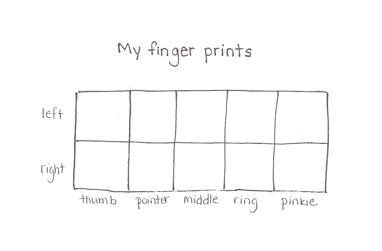
  • A paper divided into 10 places for fingerprints.

Vocabulary

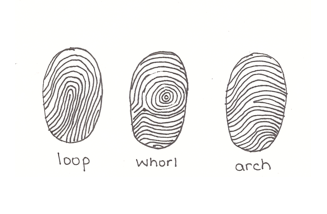
  • Loop, whorl, and arch (kinds of fingerprints-see resources)

Before Reading the Story

            Show the children the front of the book and ask the children what the monkey is pointing to (his hand).  How many fingers are on his hand?  Have the children count with you and then count the fingers on one of their own hands.  Tell the children that you are going to play a number game.  Hold up a card with a number on it (1-5).  Ask the children to show you that many fingers.  Play for a few rounds until the children get tired of and then introduce the story.

Mathematics/Number & Operations; begins to make use of one-to-one correspondence in counting objects and matching groups of objects.

Reading the Story

            Practice reading ahead of time so that when you read it, it flows likes a poem or song. Throughout the story pause occasionally and see if the children can pick up on the rhyming word to end a sentence.

Literacy/Phonological Awareness; progresses in recognizing matching sounds and rhymes in familiar words, games, stories, and poems.

After Reading the Story

            Go over the parts of a hand with the children.  Name and point to each part.  Have the children show you on their own hands. (palm, fingernail, cuticle, knuckle, joint).

Language Development/Listening & Understanding; understands an increasingly complex and varied vocabulary.

Discovery

            Encourage the children to look at their hands through a magnifying glass.  Examine the fingernails and the palms of the hand.  Can the children identify which type of fingerprint they have by looking at the loop, whorl, and arch picture?

Science/Scientific Skills & Methods; begins to use senses and a variety of tools and simple measuring devices to gather information, investigate materials, and observe processes and relationships.

Music and Movement

            Put out your instruments today, especially any drums you have.

Creative Arts/Music; experiments with a variety of musical instruments.

            Teach the poem, Wiggle Them.  The children can do the actions as you say the poem.

Clap them, clap them, clap them so

Clap them high, clap them low.

Clap them very fast, and Clap them very slow,

Clap them, clap them out of sight.

Wiggle them…

Snap them…

Roll them…

Shake them…

Language Development/Listening & Understanding; shows progress in understanding and following simple and multiple-step directions. AND Language Development/Listening & Understanding; understands an increasingly complex and varied vocabulary.

            Sing Open Shut Them https://www.youtube.com/watch?v=PNaiU0jAgbI

Open shut them,

Open shut them

Give a little clap.

Open shut them

Open shut them

Lay them in your lap.

            Sing Where is Thumkin? https://www.youtube.com/watch?v=wCTUHe8juoE

Language Development/Listening & Understanding; shows progress in understanding and following simple and multiple-step directions.

Blocks

            Ask the children if they think that it would be easy or difficult to build without thumbs. Then have them give it a try. Remind them that without thumbs many things would be difficult to do. Can the children help think of any? (brushing teeth, coloring, zipping, eating)

Science/Scientific Knowledge; expands knowledge of and respect for their bodies and the environment.

Art

            Bring out more ink pads and let the children do finger print art.  They can make patterns or you can have them decorate a tree (their fingerprints are the leaves), the inside of a flower (their fingerprints are the center), or whatever you decide depending on the season.

Creative Arts/Art; gains ability in using different art media and materials in a variety of ways for creative expression and representation.

Library and Writing

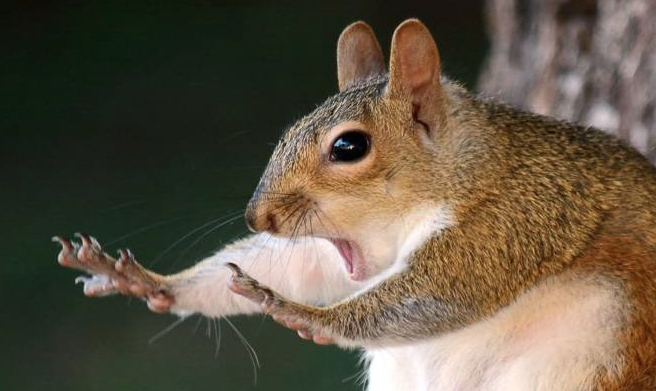
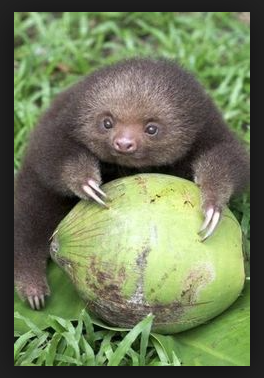
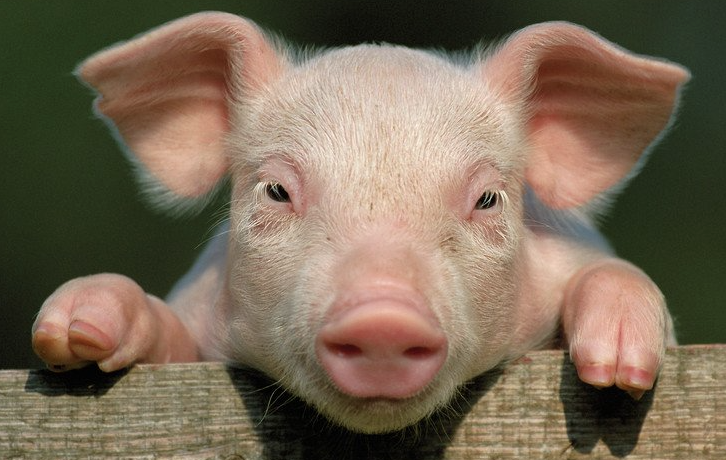
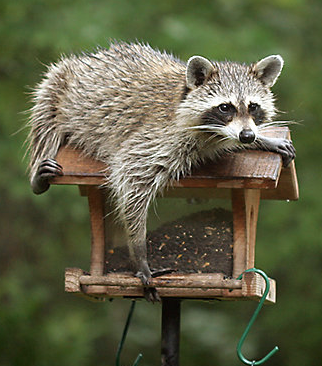
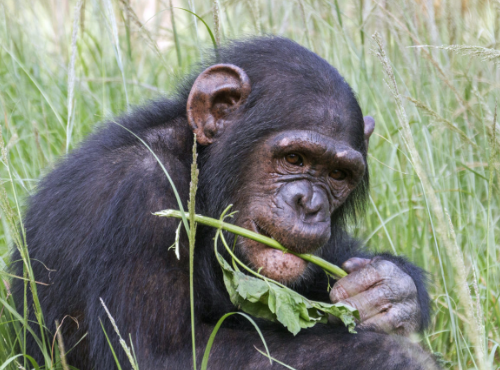
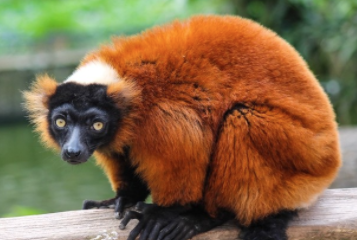
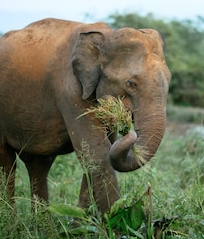
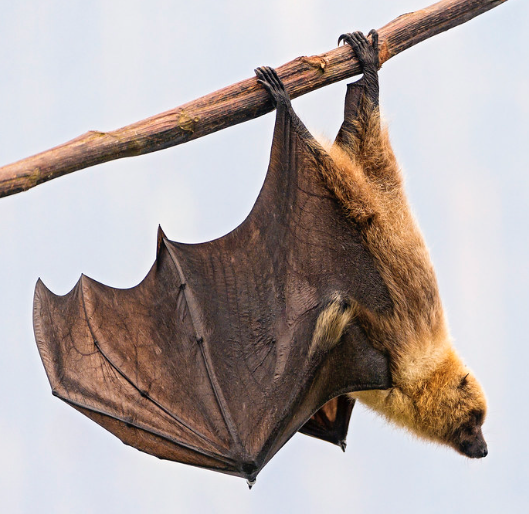
Put out pictures of animals using their hands/paws to do things. Talk with the children about what the animal is doing and how they are different and similar to people.

Science/Scientific Knowledge; expands knowledge of and abilities to observe, describe, and discuss the natural world, materials, living things, and natural processes.

Sand and Water

            Today would be a good day to have the children review their hand washing technique.  Call each child up to the sink and add a small amount of glitter to their hands.  Have them scrub their hands clean.

Physical Health & Development/Health Status & Practices; shows growing independence in hygiene, nutrition, and personal care when eating, dressing, washing hands, brushing teeth, and toileting.

Dramatic Play

            Add gloves to the center.

Physical Health & Development/Fine Motor Skills; grows in hand-eye coordination in building with blocks, putting together puzzles, reproducing patterns and shapes, stringing beads, and using scissors.

Math and Manipulatives

            Explain to the children that every person has their own set of fingerprints that are like no one else’s.  Have the children press their fingers and thumb one at a time onto a stamp pad and then carefully and firmly press down on a piece of white paper. Let them compare how theirs is like or different from their friends.

Approaches to Learning/Reasoning & Problem Solving; develops increasing abilities to classify, compare, and contrast objects, events, and experiences.

Outdoor Play

            Play Elbow to Elbow.  Pair the children up.  Call out a body part and the children in the pair must touch theirs together (elbow to elbow, hip to hip, finger to finger).

Language Development/Listening & Understanding; shows progress in understanding and following simple and multiple-step directions.

Transitions

            Name a body part and have the child point it out on their body.

Science/Scientific Knowledge; expands knowledge of and respect for their bodies and the environment.

Resources

squirrel
sloth
pig
raccoon
chimpanzee
lemur
elephant
bat
cat

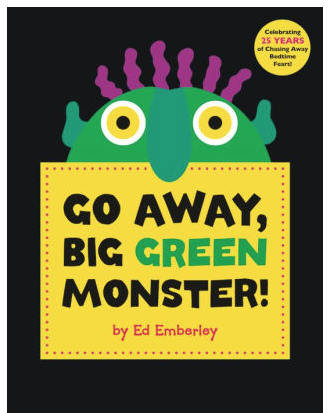
Go Away Big Green Monster! by Ed Emberley

            This fun book makes learning facial parts and colors easy.  This book can easily be made into a flannel board story for the children to enjoy over and over.

Materials

  • Paper plate per child
  • Styrofoam cup per child
  • Potting soil and a handful of grass seed per child.
  • Multiple colors of sidewalk chalk

Vocabulary

  • Imagination (to be able to see or think up things that are not really true or real)

Before Reading the Story

            Ask the children if they know what the word “imagination” means.  Talk about how sometimes we imagine things that are not really true or real.  Sometimes we might imagine that we are a superhero or a doctor but we are just pretending.  Sometimes we imagine scary things like monsters under the bed.  Let the children talk about some of their imaginary thoughts.  If the children do not begin their own talk, help them out by telling your own story (I used to imagine that there were snakes under my bed at night). 

Language Development/Speaking & Communicating; develops increasing abilities to understand and use language to communicate information, experiences, ideas, feelings, opinions, needs, questions; and for other varied purposes.

Reading the Story

            Have the children help with the line “Go away big green monster!”

Literacy/Book Knowledge & Appreciation; shows growing interest in reading-related activities, such as asking to have a favorite book rea; choosing to look at books; drawing pictures based on stories; asking to take a book home; going to the library; and engaging in pretend-reading with other children.

After Reading the Story

            Play Big Green Monster says….  Touch your two long legs, your triangle shaped nose, your round knees, your two pointy elbows etc..

Language Development/Listening & Understanding; understands an increasingly complex and varied vocabulary.

Discovery

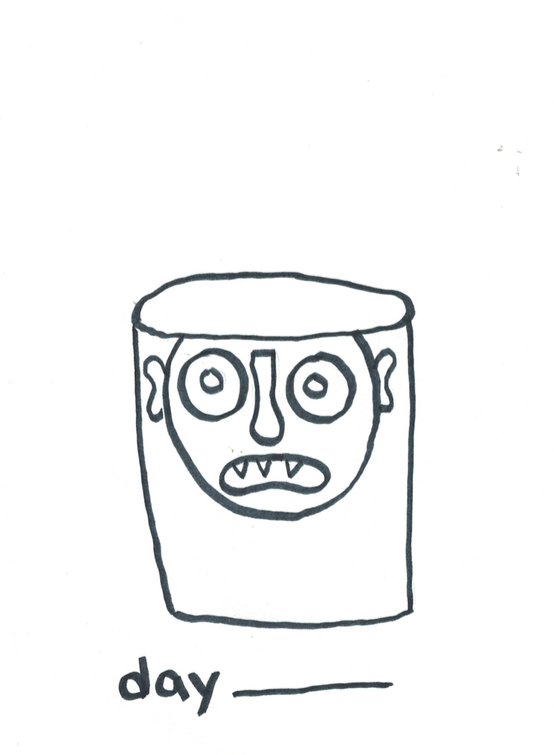
            Give each child a Styrofoam cup that they can draw a monster face on.  Then let the children fill it with potting soil and add some grass seed on top.  When the grass begins to grow, they will have their own monster heads to take home.  Observe and record how long it takes for the grass seed to grow.

Science/Scientific Skills & Methods; develops growing abilities to collect, describe, and record information through a variety of means, including discussion, drawings, maps, and charts.

Music and Movement

            Teach the children the Scary Eyes poem.

See these big and scary eyes,

It’s a really big surprise

BOO!

Touch fingers to thumb to make two small circles. Put these by your eyes and say the poem slowly. At Boo! pop hands open.

Approaches to Learning/Initiative & Curiosity; chooses to participate in an increasing variety of tasks and activities.

            Sing I’ve Got Two Eyes https://www.youtube.com/watch?v=fyMRGeT_SRI

I’ve got two eyes, one two. 

They’re both the same size, one two

I’ve got two eyes and they’re both the same size.

I’ve got two ears, one two

They help me hear, one, two

I’ve got two ears and they help me hear.

I’ve got two hands to wave good-bye

I’ve got two arms to swing up high

I’ve got two knees as round as you please

I’ve got feet to walk down the street.

Mathematics/Number & Operations; begins to associate number concepts, vocabulary, quantities, and written numerals in meaningful ways.

            Sing Head, Shoulders, Knees and Toes. https://www.youtube.com/watch?v=h4eueDYPTIg

Physical Health & Development/Health Status & Practices; participates actively in games, outdoor play, and other forms of exercise that enhance physical fitness.

Blocks

            Ask the children if they can build a house that is very dark inside.  Encourage them to include a door so that you can see how dark it is inside.

Approaches to Learning/Engagement & Persistence; demonstrates increasing ability to set goals and develop and follow through on plans.

Art

            Put out green finger paint.  Challenge the children to make a big green monster face.

Creative Arts/Art; progresses in abilities to create drawings, paintings, models, and other art creations that are more detailed, creative, or realistic.

            Let the children paint a paper plate to be a monster head.  When it dries they can collage on the face.  Show them how to punch holes with a hole puncher across the top and use yarn or pipe cleaners for hair.  Have many colors of paper available for the children to cut out eyes, mouths, and noses.

Physical Health & Development/Fine Motor Skills; develops growing strength, dexterity, and control needed to use tools such as scissors, paper punch, stapler, and hammer.

Library and Writing

            Encourage the children to dictate and illustrate any monster story or dream story that they would like to share.

Literacy/Book Knowledge & Appreciation; demonstrates progress in abilities to retell and dictate stories from books and experiences; to act out stories in dramatic play; and to predict what will happen next in a story.

Sand and Water

            Add cornstarch and a small bit of water to the table today.  Explain to the children that sometimes it may appear to be one way but really it is not (The cornstarch looks like you should be able to pick it up but when you do it melts into and off of your hand). https://www.stevespanglerscience.com/lab/experiments/quicksand-goo/

Science/Scientific Skills & Methods; begins to use senses and a variety of tools and simple measuring devices to gather information, investigate materials, and observe processes and relationships.

Dramatic Play

            Put out dress ups of community helpers or ones that encourage the children to use their imaginations to be someone that they are not.

Creative Arts/Dramatic Play; shows growing creativity and imagination in using materials and in assuming different roles in dramatic play situations.

Math and Manipulatives

           Encourage the children to use any manipulative toy/s that you have that encourage them to sort by colors.

Mathematics/Geometry & Spatial Sense; shows growth in matching, sorting, putting in a series, and regrouping objects according to one or two attributes such as color, shape, or size.

Outdoor Play

On the cement draw circles about six inches round. Have the children each color a circle using a variety of colors of chalk. When the circles are all colored in, have the children start at one end and jump from circle to circle naming the colors as they go.

Approaches to Learning/Initiative & Curiosity; chooses to participate in an increasing variety of tasks, activities, projects, and experiences.

Transitions

            As the children move to the next activity ask them to show you a body part they have two of, one of, many of, ten of or a body part that is big, small, on their front, on their back, etc.

Mathematics/Number & Operations; begins to make use of one-to-one correspondence in counting objects and matching groups of objects.

Resources

Use for charting grass growth