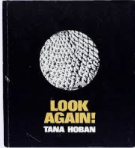
Look Again! by Tana Hoban

            This is a great riddle book.  The children must look through a little peephole and guess the object.  The pictures are photographed in black and white to add more mystery to the object.

Materials

            Toilet paper tubes

Manila file folder with a 1-inch hole cut out of center. Interesting pictures that are large enough to use with your homemade peep file.

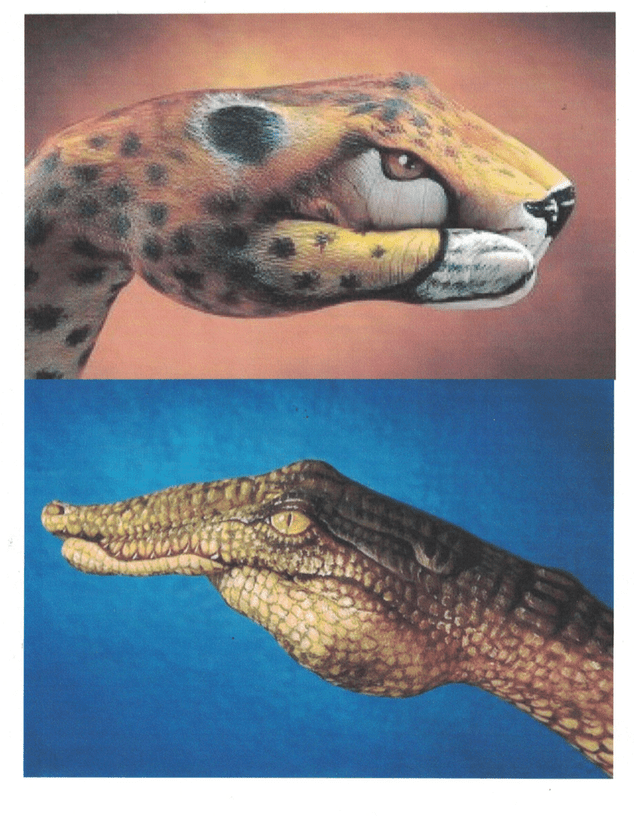
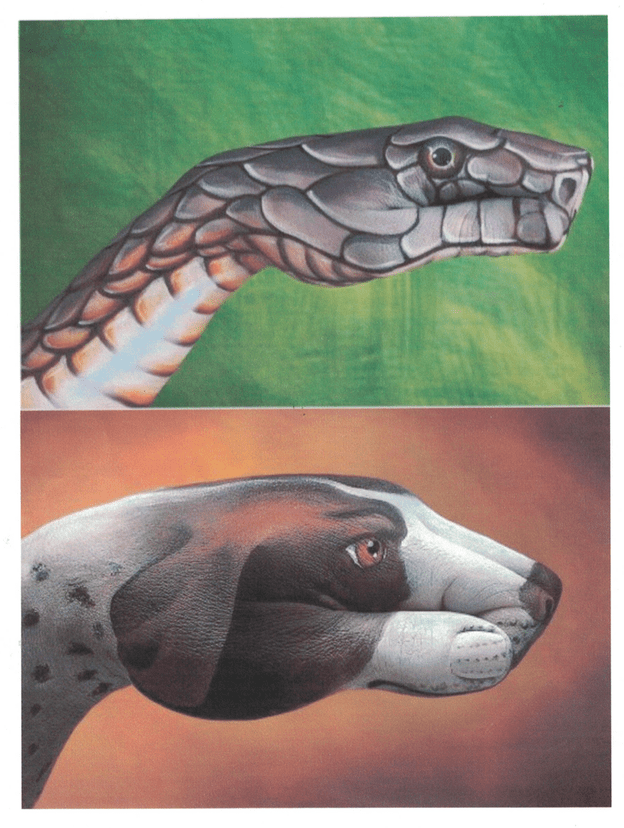
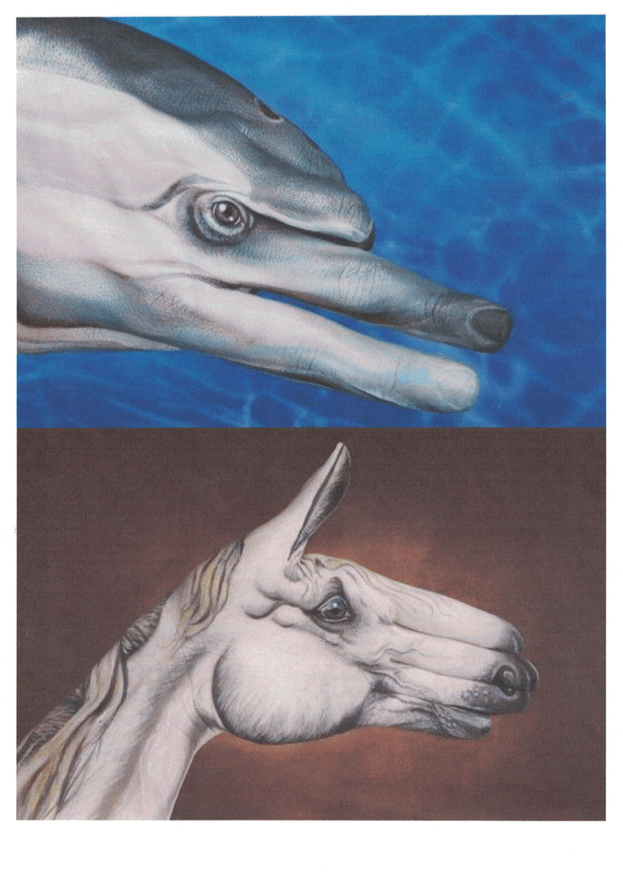
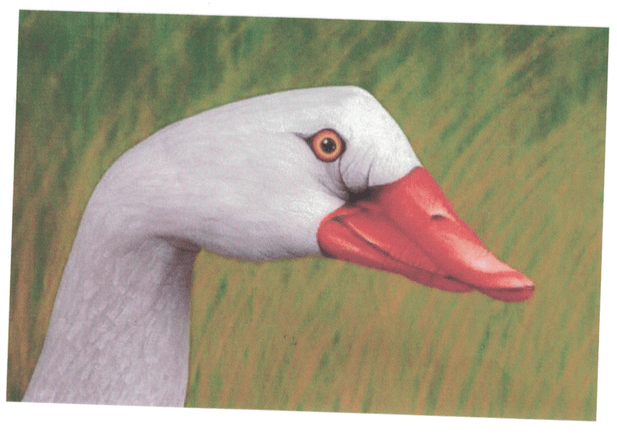
Animal “hand” pictures

Water beads

Vocabulary

Before Reading the Story

Start by playing I Spy with my Eyes (think of something in the room and then begin to explain it. The children must guess what you are looking at (I spy something that is red and has a white lace running through it and it is one Gerry’s foot. I spy something that is round and has numbers all around the edges. We use it to tell time). Explain to the children that today’s story is a guessing book. The children will look at a picture and then have to guess what it is. Introduce the book.

Language Development/Listening & Understanding; understands an increasingly complex and varied vocabulary.

Reading the Story

            Give the children plenty of time to guess the object behind the peep hole.

Approaches to Learning/Reasoning & Problem-Solving; develops increasing abilities to classify, compare, and contrast objects, events, and experiences.

After Reading the Story

For older children you might allow them to try to describe objects around the room playing I Spy.

Language Development/Speaking & Communicating; develops increasing abilities to understand and use language to communicate information, experiences, ideas, feelings, opinions, needs, questions; and for other varied purposes. AND Approaches to Learning/Initiative & Curiosity; approaches tasks and activities with increased flexibility, imagination, and inventiveness.

Discovery

            Put the toilet paper tubes into the center to look through.  Also include any binoculars and magnifying glasses that you have.  Add objects from nature such as seeds, flowers, leaves, or add interesting yet unusual objects such as things made from stone, wood, or grasses. Encourage the children to look at objects closely.  Can they describe what they see?

Science/Scientific Skills & Methods; begins to use senses and a variety of tools and simple measuring devices to gather information, investigate materials, and observe processes and relationships. AND Language Development/Speaking & Communicating; develops increasing abilities to understand and use language to communicate information, experiences, ideas, feelings, opinions, needs, questions; and for other varied purposes.

Make a copy of each animal hand picture and tape them to the wall. Ask the children to tell you what they all have in common? (They are hands painted to look like animals and are amazing).

Mathematics/Patterns & Measurement; begins to make comparisons between several objects based on a single attribute.

Music and Movement

            Sing My Eyes Are Little Windows to the tune of All Around the Cobbler’s Bench chorus. https://www.parents.com/fun/entertainment/music/pop-goes-the-weasel-sing-along-song-video/

My eyes are little windows and through them I can see

The birds and bees and flowers that are beautiful to me.

(the children can help make up other verses)

Approaches to Learning/Reasoning & Problem-Solving; develops the ability to find more than one solution to a question, task, or problem.

            Cut out a triangle, a circle, a square, and a rectangle.  Do the following movement riddles with the children.

(Put the circle on the board)  What is a circle?  A circle is round.  Here is a circle go round and round and round.

(put the rectangle on the board)  What is a rectangle?  It has four sides.  2 long and 2 short make your finger slide.

(put the square on the board) What is a square?  It has for sides too.  But all the sides are equal, ready zippity, zippty, zippty zoo.

(put the triangle on the board) What is a triangle?  Watch me, it has 3 sides.  Count them all 1,2,3!

Mathematics/Geometry & Spatial Sense; begins to recognize, describe, compare, and name common shapes, their parts and attributes.

Blocks

Ask the children what we look out of in a house? (Windows). Challenge the children to build a house with at least three windows.

Mathematics/Geometry & Spatial Sense; begins to be able to determine whether or not two shapes are the same size and shape.

Art

One a piece of white paper draw a black line about 4-inches long. Ask the child, “What can you draw with a single black line”? Give them magic markers and let them draw. Try with a circle or zig-zag line as a challenge to the children.

Approaches to Learning/Reasoning & Problem-Solving; develops the ability to find more than one solution to a question, task, or problem. AND Fine Motor Skills; progresses in abilities to use writing, drawing, and art tools, including pencils, markers, chalk, paint brushes, and various types of technology.

Library and Writing

            Bring in a variety of pictures that have lots of action going on (from magazines, center signs, a book with busy illustrations.  Ask each child to choose a picture to look at.  Have them describe 3-5 things about the picture.  Help them to tell details.  (The girl is wearing a sweater = the girl is wearing a red sweater that has one button buttoned.  She is smiling because she can do the buttons.  She is sitting on the chair next to the door).

Language Development/Speaking & Communicating; develops increasing abilities to understand and use language to communicate information, experiences, ideas, feelings, opinions, needs, questions; and for other varied purposes.

Sand and Water

Put dried water beads into the table and allow the children to add water. Ask the children to watch the beads, what is happening?

Science/Scientific Skills & Methods; begins to participate in simple investigations to test observations, discuss and draw conclusions, and form generalizations.

Dramatic Play

Bring in 6 chairs and make two rows of three. Pretend to be riding the bus to school. What are some of the things that you see on your way? You can make a list of what the children say they see and hang it on the wall. Later you can read the list with the children and ask them if that is something that they could really see or was it something made up? (On our way to school we saw; a person walking their dog, a garbage truck, a dragon, Spiderman, my Grandma’s house).

Approaches to Learning/Reasoning & Problem-Solving; develops the ability to find more than one solution to a question, task, or problem. AND Approaches to Learning/Initiative & Curiosity; approaches tasks and activities with increased flexibility, imagination, and inventiveness.

Math and Manipulatives

Bring out your container of unifix cubes (Or other interlocking cubes). Ask each child to take a handful and make a tower. How many unifix cubes do you have? Can you make a tower with one more cube? Let the child build another tower. Can you make a tower with less cubes? Can you make a tower that is equal to your first cube?

Mathematics/Number & Operations; begins to use language to compare numbers of objects with tern=ms such as more, less, greater than, fewer, and equal to.

Outdoor Play

Have a scavenger hunt. Ask the children to find something that is round, flat, tall, made of wood, flexible, curved, etc..

Approaches to Learning/Reasoning & Problem-Solving; develops the ability to find more than one solution to a question, task, or problem. AND Language Development/Listening & Understanding; understands an increasingly complex and varied vocabulary.

Transitions

            Play What’s Missing? using the animal hand pictures. Put three pictures where everyone can see them (I tape these to a large flannel board). Cover the pictures (turn the flannel board around so the children can no longer see the pictures) and remove one. Turn it back so the children can see the pictures left on the board. Can they guess which is missing? If they can guess easily with three pictures, try 4, 5, etc..

Approaches to Learning/Reasoning & Problem-Solving; grows in recognizing and solving problems through active exploration, including trial and error, and interactions and discussions with peers and adults.

Resources

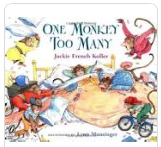
One Monkey Too Many, by Jackie French Koller

            What happens when the monkeys do not listen?  Watch the crazy adventures of these as they forget to follow the rules.

Materials

  • Barrel of Monkeys (I have found this game in the Dollar Store)
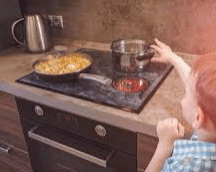
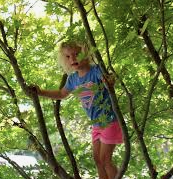
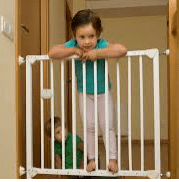
  • Pictures of safe/unsafe play

Vocabulary

Before reading the Story

            Ask the children why they think that we have rules at school and at home?  What do they think would happen if everybody ignored the rules and did what they wanted?  Tell the children that the story today is about some monkeys who did not listen to the rules.  Ask the children if they can guess what is going to happen in the story to the monkeys? Introduce the book.

Literacy/Book Knowledge & Appreciation; demonstrates progress in abilities to retell and dictate stories from books and experiencecs; to act out stories in dramatic play; to predict what will happen next in a story.

Reading the Story

            Stop on every page that talks about one monkey too many and let the children make comments if they choose.

Language Development/Speaking & Communicating; develops increasing abilities to understand and use language to communicate information, experiences, ideas, feelings, opinions, needs, questions; and for other varied purposes.

After reading the Story

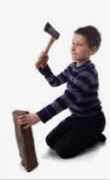
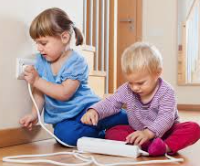
            Were the monkeys being safe in this story?  In the story it looks funny but what can really happen if we are not safe?  What can you do if someone asks you to do something that you do not think is safe?  Teach the children that they can say “No, no I won’t go!”  Have them practice this several times and then ask them some questions and have them repeat, “No, no I won’t go!”  What if your friend said let’s play in my Mom’s car (no-no I won’t go!).  What if you wanted to cross the street and the light was red.  What if a stranger said to come here because they had some candy they wanted to give you.  What if someone you know says look I’ve got matches we can play with.

Physical Health & Development/Health Status & Practices; builds awareness and ability to follow basic health and safety rules such as fire safety, traffic and pedestrian safety, and responding appropriately to potentially harmful objects, substances, and activities.

Discovery

Put out all the pictures of safe/insafe play. Have the children sort them and then talk about why a picture is unsafe.

Physical Health & Development/Health Status & Practices; builds awareness and ability to follow basic health and safety rules such as fire safety, traffic and pedestrian safety, and responding appropriately to potentially harmful objects, substances, and activities. AND Language Development/Speaking & Communicating; develops increasing abilities to understand and use language to communicate information, experiences, ideas, feelings, opinions, needs, questions; and for other varied purposes.

Music and Movement

            Play Monkey See, Monkey Do.  https://www.youtube.com/watch?v=ZdCLvwK8I6c Have everyone stand in a circle.  The teacher is the first leader and the children are the monkeys.  As you chant or sing the verse, everyone follows the leader.  At the end of the verse the leader points to another who then becomes the new leader.

When you clap, clap, clap your hands

The monkeys clap, clap, clap their hands.

Monkeys see and Monkeys do,

Monkeys do the same as you!

(Jump up and down, twirl, hop on one foot, hoot out loud, make a silly face)

Language Development/Listening & Understanding; shows progress in understanding and following simple and multiple-step directions.

            Sing There Were 5 in the Bed   https://www.youtube.com/watch?v=W1_dxT7efcs. Hold up the appropriate number of fingers for each verse and make a fist rolling your knuckles on the floor when you sing roll over, roll over.

There were 5 in the bed and the little one said,

Roll over, roll over.

So they all rolled over and one fell out

There were 4 in the bed and the little one said,

Roll over, roll over….

There were 2 in the bed and the little one said,

Roll over, roll over

So they all rolled over and one fell out,

There was one in the bed and the little said Goodnight!

Mathematics/Number & Operations; demonstrates increasing interest and awareness of numbers and counting as a means for solving problems and determining quantity.

Tell the children that they are going to pretend to be driving cars. Remind them to fasten their seatbelts. Turn on music and the children can move around pretending to drive. tell them that when the music stops that they must quickly freeze so that they will not have an accident. Put on the music again and drive, then freeze, etc..

Language Development/Listening & Understanding; shows progress in understanding and following simple and multiple-step directions. AND Physical Health & Development/Gross Motor Skills; shows increasing levels of proficiency, control, and balance walking, climbing, running, jumping, hopping, skipping, marching, and galloping.

Blocks

            Put out any transportation vehicles you might have.  As the children build, encourage them to count how many.  Can they add one more? (I see that you have 5 cars in the garage, is there room for one more? Now how many)? For older children you can ask, “If you have 5 cars and 2 more drove into the garage, now how many are in the garage?

Mathematics/Numbers & Operations; develops increased abilities to combine, separate and name “how many” concrete objects.

Art

            Encourage the children to just collage using a variety of materials. 

Creative Arts/Art; develops growing abilities to plan, work independently, and demonstrate care and persistence in a variety of art projects.

Sand and Water

Put sand and pouring toys in the table today. When it is clean-up or if too much sand gets on the floor, remind the children to sweep it up because sand can be slippery. Safety first.

Physical Health & Development/Health Status & Practices; builds awareness and ability to follow basic health and safety rules such as fire safety, traffic and pedestrian safety, and responding appropriately to potentially harmful objects, substances, and activities.

Library and Writing

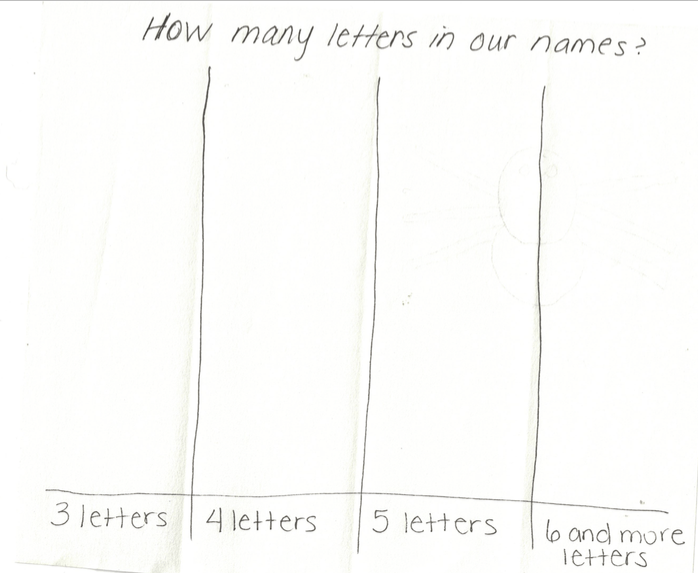
Make a graph of letters in your name.  Write each child’s name on an index card.  Ask them first if they can name the letters and then ask them to count how many letters are in their name.  Write their name above the correct number of letters.  As you share this with the children you can say.  Kerry has 5 letters and Tammie has one more.  How many letters does Tammie have in it?  Help the children to count.

Mathematics/Number & Operations; begins to make use of one-to-one correspondence in counting objects and matching groups of objects.

Math and Manipulatives

            Ask each child to show you two counters (these can be anything you have lots of; links, cubes, bear counters).  Ask them to take one more and now tell you how many they have.  Ask them to take one more, now how many?  Continue to 10 then ask them to take away one.  Now how many?  Ask them to takeaway one more, now how many?  Go all the way down to zero.

Mathematics/Numbers & Operations; develops increased abilities to combine, separate and name “how many” concrete objects.

          Put out the game Barrel of Monkeys and encourage the children to make long monkey chains. How many monkeys are on your chain?

Mathematics/Number & Operations; develops increasing ability to count to ten and beyond. AND Physical Health & Development/Fine Motor Skills;grows in hand-eye coordination in building with blocks, putting together puzzles, string beads, and using scissors.

Outdoor Play

            Practice different kinds of rolling.  Can you make you body long and roll? Can you curl like a ball and roll, can you roll without using your arms, can you roll very fast?

Physical Health & Development/Health Status & Practices; progresses in physical growth, strength, stamina, and flexibility.

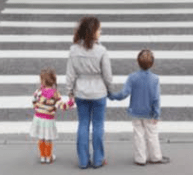
On the way to the playground, stop and pretend that you are crossing a street. Have the children look left, any cars? Now look right, any cars? Check left one more time and then cross the pretend street.

Physical Health & Development/Health Status & Practices; builds awareness and ability to follow basic health and safety rules such as fire safety, traffic and pedestrian safety, and responding appropriately to potentially harmful objects, substances, and activities.

Transitions

Give each child a picture of safe/not safe cards. Ask them to tell you if it is safe or not safe. Ask them to tell you why.

Physical Health & Development/Health Status & Practices; builds awareness and ability to follow basic health and safety rules such as fire safety, traffic and pedestrian safety, and responding appropriately to potentially harmful objects, substances, and activities.

Resources

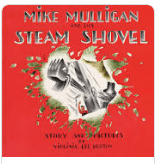
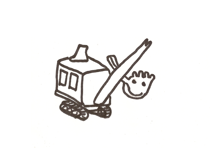
Mike Mulligan and His Steam Shovel, by Virginia Lee Burton

                  Mike Mulligan and Mary Ann have worked together for a very long time.  Now people are saying that Mary Ann is too old to work.  Mike Mulligan and Mary Ann set out to prove that they can still do the work of any modern machine.  Will they be able to?  What will happen to Mary Ann if they fail?  This classic story tells of a faithful friendship with a happy ending.

Materials

  •                   A book about construction and earth moving machines.
  •                   Construction plans for 4 simple structures.
  •                   Cookie sheet
  •                   One very strong magnet
  •                   Graph paper

Vocabulary

  • Steam Shovel (an earth moving machine that digs great big holes)
  • Cellar (an underground room.  Sometimes called a basement)
  • Corner (the place where two borders or lines come together)

Before Reading the Story

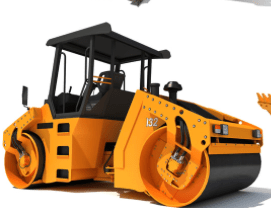
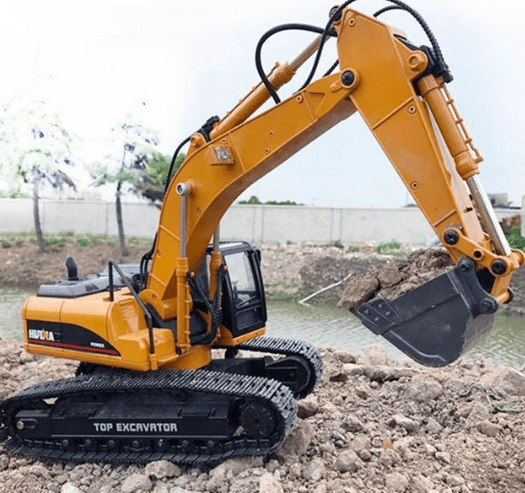
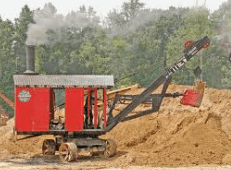
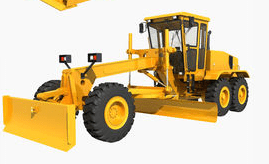
                  Share pictures of construction sites and the kinds of vehicles/machinery that is used on a construction site.  As you look at the pictures, talk to the children about how each piece has a special job to do.  Look at the pictures and notice the size of the equipment, the kinds of wheels each has, and if the children can guess how the machine is used (for scooping, digging, rolling, carrying away debris).    Introduce the story by showing the children a picture of a real steam shovel and a modern shovel.

Literacy/Book Knowledge & Appreciation; shows growing interest and involvement in listening to and discussing a variety of fiction and non-fiction and poetry. 

 Reading the Story

                  Before you begin reading hang a piece of paper on the wall where everyone can see it.  Have a marker handy so that when you get to the parts of the story where MM and MA cut a corner, you can draw their progress.  On page 15 stop and ask the children what they think will happen to Mary Ann.  When you get to page 20, ask the children if they think MM and MA will be able to dig a cellar in just one day.  As you get to the pages where MM and MA make a new corner, have the children repeat Go Mike Mulligan Go!  On page 37 ask the children “How will MM and MA get out?  What do you think will happen?”

Literacy/Book Knowledge & Appreciation; demonstrates progress in abilities to retell and dictate stories from books and experiences; to act out stories in dramatic play; and to predict what will happen next in a story.

After Reading the Story

                  Point out the paper on the wall with the four corners nice and square.  Ask the children if they can name the shape.  Play a shape game with the children. Cut out the Mary Ann steam shovel and cut out 4-6 shapes that you are working on with you children large enough to cover the steam shovel.  The children can then take turns hiding the steam shovel under a shape and guessing which shape it is under by naming the shape.  You can add another teaching concept by making each shape a different color.  The guesser must then guess by naming the shape and the color (Is it under the red circle?).

Mathematics/Geometry & Spatial Sense; begins to recognize, describe, compare, and name common shapes, their parts and attributes.

Discovery

                  Magnet play today.  Take a large cookie sheet and tape some blocks to the ends to make a table with the cookie sheet being the top.  Put magnet marbles or small nuts and washers on top of the cookie sheet.  Put the strong magnet under the cookie sheet and show the children how dragging the magnet from underneath will cause the items on top to move.  You could also add a piece of paper and a small bit of paint so that when you drag the marbles/nuts, it makes marks upon the paper.

Science/Scientific Skills & Methods; begins to use senses and a variety of tools and simple measuring devices to gather information, investigate materials, and observe processes and relationships.
Music and Movement

                  Circle, Triangle, or Square by Hap Palmer https://www.youtube.com/watch?v=dWtLONv826Y

Mathematics/Geometry & Spatial Sense; begins to recognize, describe, compare, and name common shapes, their parts and attributes.
                  In the story MM and MA dig faster and faster.  Put on music that moves to different tempos and let the children dance or move accordingly.

Creative Arts/Movement; shows growth in moving to different patterns of beat and rhythm of music.

                   Play In and Out the Windows.    Have the children hold hands and make a circle with their arms up in the air.  Choose one person to step into the center of the circle.  As the children sing the verse, In and Out the Windows the child moves under arms and around and through the circle.  At the end of the verse another child goes into the center of the circle and the first child comes out and helps form the circle.  https://www.youtube.com/watch?v=MibnLIXnLcE

Go in and out the windows,

Go in and out the windows,

 Go in and out the windows,

Now go and pick a friend.

Social & Emotional Development/Cooperation; develops increasing abilities to give and take in interactions; to take turns in games and using materials; and to interact without being overly submissive or directive.

Blocks

                  Add any construction vehicles you might have.  Add hard hats and construction plans for a building.  Trace around blocks to make simple blueprints for the children to copy building or use the ones included.

Mathematics/Geometry & Spatial Sense; progresses in ability to take shapes apart and put them back together again.

Art

                  Give each child a piece of graph paper and colored pencils.  Encourage them to make various sizes of squares.  After they color the squares they can cut them out and glue to a large piece of paper.

Literacy/Early Writing; experiments with a growing variety of writing tools and materials, such as pencils, crayons, and computers.

Writing and Library

                  In the story, MM and MA made nice straight corners as they dug their building.  Have the children trace around shapes and letters today.  Practice drawing nice straight corners when possible and then talk about the corners and help the children count how many they see on each of their tracings.

Literacy/Early Writing; experiments with a growing variety of writing tools and materials, such as pencils, crayons, and computers. AND Mathematics/Geometry & Spatial Sense; begins to recognize, describe, compare, and name common shapes, their parts and attributes.

Dramatic Play

                  In the story MM and MA worked together to dig a cellar for the town hall.  It was a hard job.  Give the children damp rags today and ask them to tackle the job of cleaning the dramatic play center.  Talk about working together to make sure that all of the items are put away in their correct space.  They can use the damp rags to wash the shelves, dishes, and furniture.  Make sure to thank them when they are finished for a job well done.

Social & Emotional Development/Knowledge of Families & Communities; develops a growing awareness of jobs and what is required to perform them.

Math and Manipulatives

                  Encourage the children to build houses today using Duplo’s, small cubes, dominos etc.  Use words to describe the parts of the house/building.  (Wall, roof, window, door)

Physical Health & Development/Fine Motor Skills; grows in hand-eye coordination in building with blocks, putting together puzzles, reproducing shapes and patterns, stringing beads, and using scissors.

Outdoors Play

                  Encourage the children to use the buckets and large trucks to pretend to be working a construction sight.  Add hard hats if you have any available.  They can pretend to dig out a foundation or build a tall building/mountain from the sand. If you do not have large trucks, the children could wash the bicycles and other riding toys.

Creative Arts/ Dramatic Play; participates in a variety if dramatic play activities that become more extended or complex.

Transitions

                  As the children go to the next activity ask them if they can name things that have wheels.  List their responses onto a piece of paper.  When they run out of wheeled objects, ask them to name something that can be square or another shape that you are working on.

Approaches to Learning/Reasoning & problem Solving; develops increasing ability to find more than one solution to a question, task, or problem.

Resources