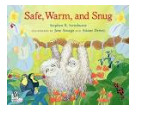
Safe, Warm, and Snug , by Stephan R, Swinburne

            This book tells how a variety of animals keep their babies safe from dangers.  It is told in a poetry form and has bright pictures to help illustrate the verse.

Materials

  •             Blankets, 1 per child
  •             Paper plates, 1 per child
  •             Yarn
  •             Animal and Baby match cards/dominos
  •             Cotton balls

Vocabulary

  •  Fish fry (baby fish)
  • Joey (baby kangaroo)
  • Slack (very loosely)
  • Protect (to keep someone or something safe, to guard it from harm)

Before Reading the Story;

            Give each child a blanket or stuffed animal to hold.  Help all the children gather in nice and snuggly.  Ask them if they ever remember a time when they felt scared or nervous?  (The first day at school, in a large crowded place, doing something new for the first time).  Did your parent help to make you feel safe, what did they do? (They held me, My Mom held my hand, My Dad said it was ok and he watched).  Ask who can you go to when you are feeling scared or lonely? (Parent, teacher, friend).

Language Development/Speaking & Communicating; develops increasing abilities to understand and use language to communicate information, experiences, ideas, feelings, opinions, needs, questions; and for other varied purposes.

Reading the Story

            Take time as you read the story and talk about the pictures.  Show how the parent is keeping the baby safe.

Approaches to Learning/Initiative & Curiosity; grows in eagerness to learn about and discuss a growing range of topic ideas and tasks.

After Reading the Story

            Explain to the children that many families, and school, make rules to help keep everyone safe.  Ask the children if their family has any rules at home.  ( I can’t touch my Dad’s tools, I have to ask my sister to play with her doll, when I brush my teeth I have to put my toothbrush away and not let it be a sword, I have to wear my bike helmet when I ride on the sidewalk).  Talk about your classroom rules and how they keep everyone safe.

Physical Health & Development/Health Status & practices; builds awareness and ability to follow basic health and safety rules such as fire safety, traffic and pedestrian safety, and responding appropriately to potentially harmful objects, substances, and activities. AND Social & Emotional Development/Self-Control; develops growing understanding of how their actions affect others and begins to accept the consequences of their actions.

Discovery

            Make several copies of the animal cards. Use these to make dominos. The children must then match the pictures.

Mathematics/Geometry & Spatial Sense; shows increasing abilities to match, sort, put in a series, and regroup objects according to one or two attribute such as shape or size.

Bring in a bird nest if you have one. Allow the children to examine it. Nests make baby birds feel safe, warm, and snug.

Science/Scientific Skills & Methods; begins to use senses and a variety of tools and simple measuring devices to gather information, investigate materials, and observe processes and relationships.

Music and Movement

            Sing a song about Family, this one to the tune of Frere Jacque https://www.mamalisa.com/?t=es&p=180

            Where is baby? Where is baby?    

            Here I am, here I am.                                Hold up pinkie finger

            With my family, with my family                Wiggle all fingers

            Here I am.                                              Hold up pinkie again

            Where is sister? Where is sister?                Hold up ring finger

            Where is brother? Where is brother?           Hold up middle finger

            Where is Mother? Where is Mother?          Hold up pointer finger

            Where is Father?  Where is Father?               Hold up thumb

Physical Health & Development/Fine Motor Skills; develops growing strength, dexterity, and control needed to use tools such as scissors, paper punch, stapler, and hammer. AND Creative Arts/Music; participates with growing interest and enjoyment in a variety of music activities, including listening, singing, finger plays, games, and performances.

            Act out the animal movements from the story.  Can you swim away like a fish?  Leap like a kangaroo?  Crawl like a cockroach?  Fly like a killdeer?  Be slow and slack like a sloth?  Walk on your heels like a penguin?  Hop like a toad?  Curl up like a snake?  Soar like a bat?

Creative Arts/Dramatic Play; participates in a variety of dramatic play activities that become more extended and complex.

Blocks

            Encourage the children to build homes today.  We live in homes that keep us safe and warm. 

Approaches to Learning/Engagement & Problem Solving; demonstrates increasing ability to set goals and develop and follow through on plans.

Art

            Tell the children that warm fuzzies are times when people make you feel good and loved.  Make warm fuzzies with the children.  Let the children cut out a circle or organic shape.  Have them glue cotton balls all over their shape.  They can add googly eyes or small construction paper eyes.  Explain to them that they can give their warm fuzzie to someone who makes them feel safe, warm, snug, or loved.

Creative Arts/Art; gains ability in using different art media and materials in a variety of ways for creative expression and representation.

Library and Writing

            Help the children to write a letter to their parent.  Encourage them to talk about one thing their parent does to feel protected.  (Dear ___, thank you for putting on the band aide when I fell and hurt my knee.)

Literacy/Early Writing; begins to represent stories and experiences through pictures, dictation, and in play.

Sand and Water

Create a pond scene by adding plastic turtles, sticks for logs, plastic fish, and water. Turtles like to sit on logs in the sun where they feel safe and warm. How many turtles can the child line up on the log without tipping it over?

Approaches to Learning/Engagement & Persistence; grows in abilities to persist in and complete a variety of tasks, activities, projects, and experiences. AND Mathematics/Number & Operations; begins to make one-to-one correspondence in counting objects and matching groups of objects.

Dramatic Play

            Bring in the baby dolls, blankets, bottles, and anything else you have that will allow the children to practice nurturing.

Social & Emotional Development/Social Relationships; progresses in responding sympathetically to peers who are in need, upset, hurt, or angry; and in expressing empathy and caring for others.

Math and Manipilatives

            Make paper plate pockets.  Cut the paper plate in half.  Staple the two halves together with a staple to hold them.  Punch holes through both halves at the same time all along the edge.  Give the children pieces of yarn and show them how to sew/lace the edges.  Put out magazines with animals.  The children can cut out the animal pictures and put them into their pocket.

Physical Health & Development/Fine Motor Skills; grows in hand-eye coordination in building with blocks, putting together puzzles, reproducing shapes and patterns, stringing beads, and using scissors.

Outdoor Play

            Play Fox in the Chicken Coop.  One child is the fox.  The rest of the children are the baby chicks.  The fox tries to catch the baby chicks but they can run to the mother hen (teacher) and be safe if they are touching her.  If the fox catches a baby chick, they must sit out and say/sing the alphabet song before they can begin running again.  Take turns being the fox.

Social & Emotional Development/Self-Control; demonstrates increasing capacity to follow rules and routines and use materials purposefully, safely, and respectfully.

Transitions

            As the children leave to go to another activity, ask them to tell you one way that they keep themselves safe (I do not run inside, My brother helps me tie my shoe, I ask my Mom if I can go to my friends house to play)

Physical Health & Development/Health Status & practices; builds awareness and ability to follow basic health and safety rules such as fire safety, traffic and pedestrian safety, and responding appropriately to potentially harmful objects, substances, and activities.

Resources
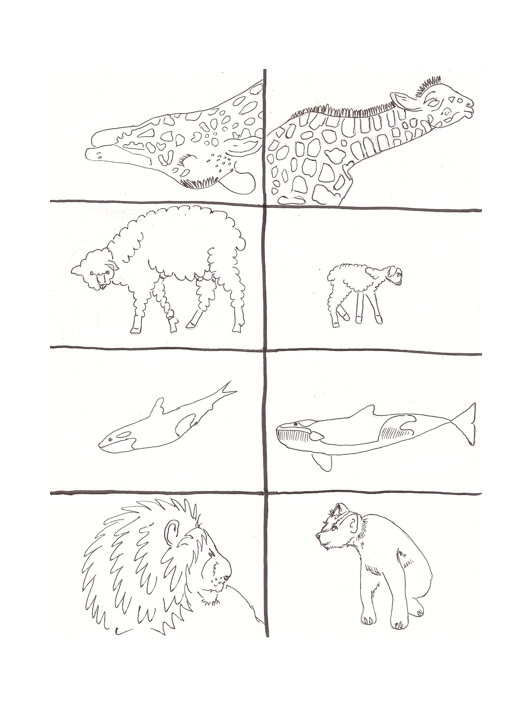
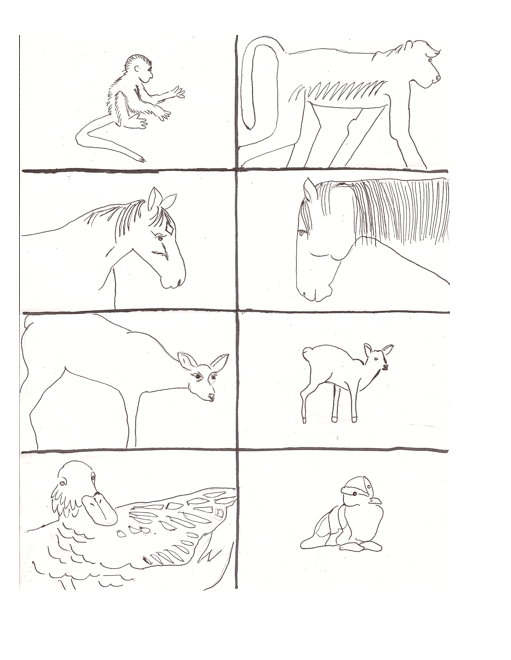
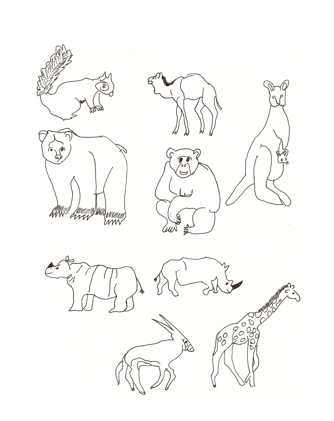
Make dominos by cutting out animals and gluing them to pieces of manilla folder. Make sure to vary the pairs that appear on the domino.
domino pattern. Use cards below to fill in the dominos.

Who’s Hatching Here? by Alma Flor Ada

            Not just chickens hatch from eggs.  This is a riddle book of oviparous animals.

Materials

  • Plastic Easter eggs
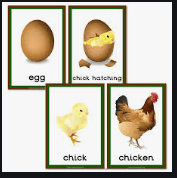
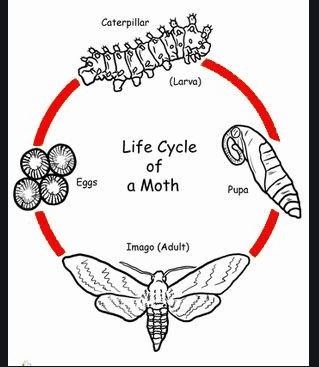
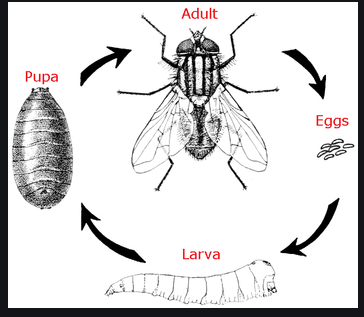
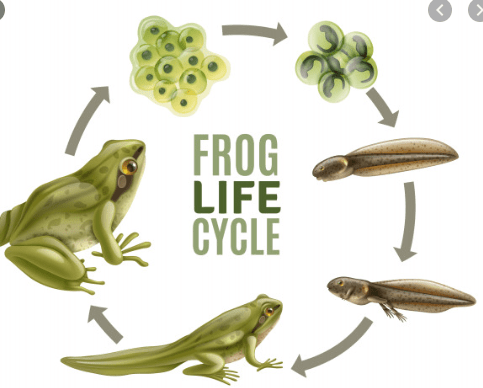
  • Oviparous animal pictures to sort/ not oviparous/chicken, alligator, turtle, mosquito, frog, penguin, lizard, snake
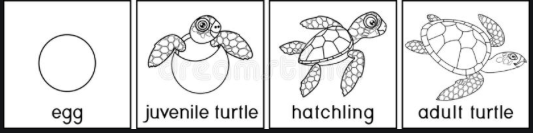
  • Life cycle cards of the above animals
  • A box big enough for a child to hide inside
  • Several shirt boxes or low open boxes
  • Bag of chicken corn or bird seed

Vocabulary

  • Oviparous (animals that hatch from eggs)
  • Oval (the shape that looks like an egg)

Before reading the Story

            Play a shape game.  Introduce the oval shape to the children.

Mathematics/Geometry & Spatial Sense; begins to recognize, describe, compare, and name common shapes, their parts, and attributes.

Reading the Story

            Read this like a riddle book and let the children see if they can guess what each creature is before you turn the page.

Science/Scientific Knowledge; expands knowledge of and abilities to observe, describe, and discuss the natural world, materials, living things, and natural processes.

After Reading the Story

            Put an oviparous animal picture inside enough plastic eggs that everyone may pick one out of a basket.  The children pick an egg, try to guess what is inside their egg and then open it up and see and name what they have.

Language Development/Speaking & Communicating; uses an increasingly complex and varied spoken vocabulary.

Discovery

            Color and contact the life cycle cards and ask the children to try to put them into their correct orders of egg-adult. If you can not make seperated cards, put the pictures out for the children to discuss and compare. Have them note that ALL the oviparous animals hatched from an egg and then grew.

Mathematics/Patterns & Measurement; shows increasing abilities to match, sort, put in a series, and regroup objects according to one or two attributes such as shape or size. AND Mathematics/Number & Operations; begins to associate number concepts, vocabulary, quantities, and written numerals in meaningful ways. AND Science/Scientific Knowledge; expands knowledge of and abilities to observe, describe, and discuss the natural world, materials, living things, and natural processes.

Music and Movement

            Bring in a box that is large enough for a child to scrunch inside.  Say the following poem, Peck, Peck, Peck.  Before the child gets into the box, ask them what kind of oviparous animal they are going to be.   Fill in the blank as you recite for each child.  Encourage them to make the animal sound as they come out of their shell.

Peck, peck, peck

On the warm hard egg

Out come a head, out comes a leg

How can a _________ that’s not been about

Discover the secret of how to get out?

(Now ask the child what kind of an oviparous animal they are, or have the child make the animal sound as they come out and see if the other children can guess.)

Language Development/Listening & Understanding; demonstrates increasing ability to attend to and understand conversations, stories, songs, and poems. AND Approaches to Learning/Initiative & Curiosity; chooses to participate in an increasing variety of tasks and activities.

Blocks

            Add several plastic eggs to the center.  Put a small cube inside of them to make them heavier and tape it shut.  Show the children how to roll these.  Encourage them to make a ramp that they can roll their eggs down. Can the children find other objects that will roll?

Science/Scientific Skills & Methods; develops increased ability to observe and discuss common properties, differences and comparisons among objects and materials.

Art

            Fill several plastic eggs with sand and tape them smoothly shut.  Bring in several shirt boxes.  Give the child an egg and let them dip it into a bowl of paint.  Put a piece of paper in the box and the egg on top.  Let the children roll the egg about making a rolling art picture.

Creative Arts/Art; gains ability in using different art media and materials in a variety of ways for creative expression and representation.

Library and Writing

            Give each child a large egg shape and ask them to draw an oviparous animal on it.  Cover it with another egg shape and ask the child to tell you three things they know about the animal that they drew.  Write these on the front into riddle form (What has feathers and says cluck, cluck and lives on a farm?  A Chicken) Hang the riddles up and read them during a down time to the other children.

Science/Scientific Knowledge; expands knowledge of and abilities to observe, describe, and discuss the natural world, materials, living things, and natural processes.

Sand and water

            Add chicken corn or birdseed to the table to pour and scoop.

Social & Emotional Development/Self-Control; demonstrates increasing capacity to follow rules and routines and use materials purposefully, safely, and respectfully.

Dramatic Play

            Bring in several egg cartons that have been sanitized and plastic eggs.

Math and Manipulatives

            Play an animal match game by making two sets of the picture cards.  Glue them to index cards so that the children can not see through the backs. Turn the cards face down and have the children take turns picking up two cards. If they find a match they get to keep them. Play till all the matches have been found.

Approaches to Learning/Engagement & Persistence; grows in abilities to persist in and complete a variety of tasks, activites, projects, and experiences.

Outdoor Play

Bring your easel paint outside today and use it to paint any trees that might be on your playground.

Creative Arts/Art;gains ability in using different art media and materials in a variety of ways for creative expression and representation.

Look for living creatures on your playground. Can the children name them? Do they know if it is an oviparous animal? (ants, crickets, lizard, bird, cat next door, dog on leash)

Language Development/Speaking & Communicating; uses an increasingly complex and varied spoken vocabulary.

Transitions

            Hold up a picture of an oviparous animal, or open the book and show the children a picture.  As they go off to the next activity repeat the chant with each child.

It started as an egg then it hatched and grew

Now it’s a (hold up a card and point to a child)

______ so smart because ____knew.

Social & Emotional Development/Cooperation; develops increasing abilities to give and take in interactions; to take turns in games and using materials; and to interact without being overly directive or submissive.

Resources

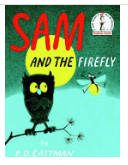
Sam and the Firefly, by P.D. Eastman

            Sam is lonely until he meets a new friend who can write words.  But sometimes words can lead to trouble. 

Materials

  • Jar and fireflies (10-15)
  • Glow in the dark paint (you can buy jar at craft store for around 1.00)
  • Small laser light (ask a friend who owns a cat if they have one)
  • Several flashlights

Vocabulary

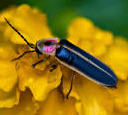
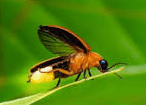
  • Firefly (a kind of insect with a bottom that glows like a little light in the dark)

Before Reading the Story

            Tell the children that you are going to play a word game.  Bring in pictures of animals, about 8-10.  These can be from a book.  Tell the children that you are going to write a word and they are going to practice reading it.  Write the first letter of the animal name and make the letter sound.  Continue slowly writing each letter and sounding out the letter name.  When the children have guessed the word, finish writing the name, have all the children repeat the word and then show the children the picture.  When you are finished with this activity, tell the children that the story today is about a firefly that can write words with his glowing bottom.

Literacy/Phonological Awareness; shows increasing ability to discriminate and identify sounds in spoken language.

Reading the Story

            When you get to the page where Sam is trying to figure out how to get Gus out of the jar, stop and ask the children if they have any ideas.

Literacy/Book Knowledge & Appreciation; demonstrates progress in abilities to retell and dictate stories from books and experience; to act out stories in dramatic play; and to predict what will happen next in a story.

After Reading the Story

            Ask the children why Gus got in trouble?  Tell them that sometimes playing jokes on people can hurt their feelings and make them mad.  Talk about all the good things we use words for (words tell us the story in the book, words help us ask someone to play with us, words let people know what you want or like).  Ask the children if they know what words are made out of (letters).  Use your flashlight/laser to point to letters on your word wall or alphabet chart.  Ask them to name the letters.  Point out as you sing the alphabet song.

Literacy/Alphabet Knowledge; identifies at least 10 letters of the alphabet, especially those in their own name.

Discovery

            Put several flashlights in the discovery center for the children to try being fireflies and flashing out the syllables of each others names. For more of a challenge, take the flashlights apart and have the children put them together.

Literacy/Phonological Awareness; shows growing ability to hear and discriminate separate syllables in words. AND Science/Scientific Skills & Methods; begins to uses senses and a variety of tools and simple measuring devices to gather information, investigate materials, and observe processes and relationships.

            If you live in an area where there are fireflies, catch them the night before and bring them in for the children to observe and record.

Science/Scientific Skills & Methods;develops growing abilities to collect, describe, and record information through a variety of means, including discussion, drawings, maps, and charts.

Music and Movement

            Have your children recite the following poem with you.  Each time you say blink they can open and shut their hands to make a blink motion.

Fireflies

Fireflies come out at night

Blink blink, blink blink

Showing off their shiny light

Blink blink, blink blink

In the summer sky

Blink blink, blink blink

Language Development/Listening Understanding; demonstrates increasing ability to attend to and understand conversations, stories, songs, and poems.

Blocks

            Gus the firefly made a traffic jam.  Ask the children to make a road and add traffic signs.

Literacy/Early Writing; develops understanding that writing is a way of communicating for a variety of purposes.

Art

            Put out glow in the dark paint and Qtips for the children to make small fireflies onto dark paper (print up and down) or to write their names.

Literacy/Early Writing; progresses from scribbles, shapes, or pictures to represent ideas, to using letter-like symbols, to copying or writing familiar words such as their own name.

Library and Writing

            Put out yellow or neon markers and paper. Encourage the children to write their names or copy words from the book.

Literacy/Early Writing; progresses from scribbles, shapes, or pictures to represent ideas, to using letter-like symbols, to copying or writing familiar words such as their own name.

Sand and Water

Put a very small amount of sand mixed with water to make a mixture that you can form into castles. Give the children alphabet cookie cutters or other shape cutters to make letters/designs in the sand.

Literacy/Alphabet Knowledge; shows progress in associating the names of letters with their shapes and sounds.

Dramatic Play

            The story takes place at night.  Encourage the children to act out night time rituals.

Creative Arts/Dramatic Play; participates in a variety of dramatic play activities that become more extended and complex.

Math and Manipulatives

            Make several copies of the jar and firefly page.  Play an adding and subtracting game with the children. (Catch one firefly and put it in the jar.  Now catch two more.  How many fireflies do you have in the jar?  Oops, one flew away, how many are left in the jar?)

Mathematics/Number & Operations; develops increased abilities to combine, serarate, and name “how many” concrete objects.

Outdoor Play

            Play firefly tag.  The teacher is the light flasher.  The children run around the playground and try not to get tagged by the flashlight/laser light.   If they are tagged, they must go to the “jar” a designated spot on the playground.  The other children can free those in the jar by touching it/the designated spot (ie- a tree).  All the children continue to run until the laser light lands on them.

Physical Health & Development/Health Status & Practices; participates actively in games, outdoor play, and other forms of exercise that enhance physical fitness.

Transitions

            As you dismiss the children to the next activity use a flashlight to blink out the syllables of their name.  Ask them to count the syllables. (Ker-ry=2)

Literacy/Phonological Awareness; shows growing ability to hear and discriminate separate syllables in words.

Resources